
POM Resins: Technical Processing & Material Properties
We engineer high-performance acetal components by precisely controlling cooling gradients to manage high crystallinity and thermal sensitivity, ensuring that our IATF 16949 -certified production preserves the resin’s inherent creep resistance and fatigue endurance. By implementing scientific moldin…
We engineer high-performance acetal components by precisely controlling cooling gradients to manage high crystallinity and thermal sensitivity, ensuring that our IATF 16949-certified production preserves the resin’s inherent creep resistance and fatigue endurance. By implementing scientific molding protocols to eliminate internal volumetric shrinkage and localized thermal stress, we achieve superior surface lubricity and structural stiffness, which translates to consistent, flash-less overmolding and high-load mechanical reliability for demanding industrial hardware assemblies.
Quality Assurance: ISO 9001 and IATF 16949 certified manufacturing systems for precision moldingIntegrated Production: In-house metal stamping and CNC machining for complex hybrid assembliesPrecision Control: Advanced shrinkage and tolerance management for tight-fit mechanical componentsGlobal Compliance: Certified Acetal resins and processes fully compliant with RoHS and REACH standardsRequest DFM EvaluationSee Acetal Molding Capabilty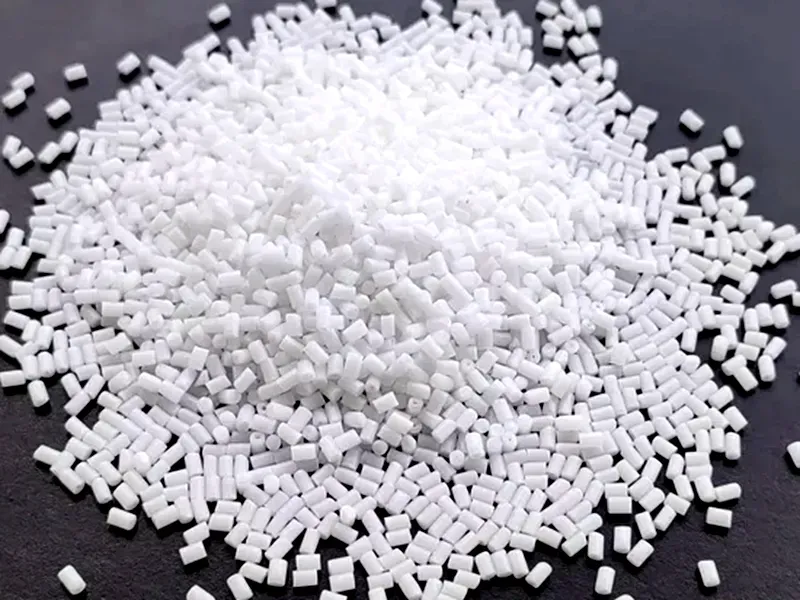
Material Overview: Acetal (Polyoxymethylene / POM)
Acetal (Polyoxymethylene or POM) is a high-performance semi-crystalline engineering thermoplastic, widely recognized for its superior mechanical strength, low friction, and exceptional dimensional stability. Often utilized as a bridge between plastic and metal, injection-molded Acetal offers an optimal balance of high stiffness, fatigue endurance, and creep resistance. It is particularly well-suited for high-precision mechanical components that require tight tolerances and high-wear durability, making it the industry-standard choice for gears, bearings, and complex hardware-integrated systems where low-friction performance is critical.
Engineered Excellence
Superior Wear Resistance
The self-lubricating properties of Acetal significantly reduce friction and prevent material degradation in sliding contact. This ensures the longevity of high-cycle components such as gears, cams, and bearings without the need for external lubricants.
Dimensional Stability
Acetal features exceptionally low moisture absorption and high creep resistance, allowing molded parts to maintain precise tolerances and structural integrity even under prolonged mechanical load and varying humidity levels.
High Fatigue Endurance
Characterized by its high crystallinity, POM offers remarkable resilience against cyclic stress and repeated loading. This prevents structural fatigue and cracking in mission-critical applications subjected to constant movement.
Excellent Chemical Resistance
Acetal provides robust protection against a wide range of fuels, solvents, and neutral chemicals. This chemical inertness is vital for components used in automotive fuel systems, industrial valves, and fluid management solutions.
Material Grade Variation
Copolymer POM
The industry standard for general-purpose applications, offering a balance of high processability and superior resistance to hot water and strong alkaline solutions.Homopolymer (Delrin)
Engineered for applications requiring maximum tensile strength and stiffness; offers higher fatigue endurance and hardness compared to standard copolymers.Low-Friction / Wear Resistant
Formulated with internal lubricants such as PTFE, silicone, or MOS2 to minimize the coefficient of friction and eliminate stick-slip in high-speed mechanical assemblies.Glass-Reinforced
Integrated with glass fibers to significantly increase flexural modulus and structural rigidity while minimizing mold shrinkage for high-precision, load-bearing components.UV-Stabilized
Fortified with UV inhibitors and stabilizers to prevent material degradation, chalking, and loss of mechanical properties during long-term outdoor or high-light exposure.
Technical Data Section: Acetal (POM) Material Properties
To assist engineers in evaluating the baseline performance of high-performance Polyoxymethylene (POM), the following table details the core physical and mechanical metrics. These Acetal injection molding material properties are representative of high-crystallinity, unfilled grades commonly utilized in low-friction mechanical components and precision-engineered industrial parts.
| PROPERTY | TEST METHOD (ASTM/ISO) | VALUE (METRIC) | VALUE (IMPERIAL) |
|---|---|---|---|
| Density / Specific Gravity | ASTM D792 | 1.41 g/cm3 | 0.051 lb/in3 |
| Melt Flow Rate (MFR) | ASTM D1238 | 9.0 g/10min | 9.0 g/10min |
| Mold Shrinkage (Flow) | ASTM D955 | 1.8% - 2.2% | 0.018 - 0.022 in/in |
| Tensile Strength at Yield | ASTM D638 | 65 MPa | 9400 psi |
| Elongation at Break | ASTM D638 | 30% | 30% |
| Flexural Modulus | ASTM D790 | 2600 MPa | 377000 psi |
| Izod Notched Impact Strength | ASTM D256 | 65 J/m | 1.2 ft-lb/in |
| Heat Deflection Temp (1.8MPa) | ASTM D648 | 110°C | 230°F |
| Flammability Rating | UL94 | HB (Standard) | HB (Standard) |
| Coefficient of Friction | ASTM D1894 | 0.20 (Dynamic) | 0.20 (Dynamic) |
| Water Absorption (24h) | ASTM D570 | 0.20% | 0.20% |
Comparison Context: Acetal Copolymer vs. Acetal Homopolymer (Delrin)
When specifying Acetal for high-precision mechanical assemblies, engineers frequently evaluate the trade-offs between Acetal Copolymer and Acetal Homopolymer (widely known as Delrin). While the Copolymer variant excels in long-term chemical stability and resistance to hot water, upgrading to an Acetal Homopolymer typically increases tensile strength by 10% to 15% and significantly enhances fatigue endurance, making it the superior choice for high-cycle gears or structural components under constant mechanical stress.
| PROPERTY / SPECIFICATION | ACETAL COPOLYMER | ACETAL HOMOPOLYMER (DELRIN) |
|---|---|---|
| Material Composition | Polyoxymethylene Copolymer | Polyoxymethylene Homopolymer |
| Tensile Strength | Standard Baseline (Approx. 60-65 MPa) | 15% Higher (Approx. 70-75 MPa) |
| Fatigue Endurance | Reliable Performance | Superior (Best-in-class for plastics) |
| Chemical Resistance | Excellent (Superior in strong bases/hot water) | Good (Susceptible to strong bases) |
| Dimensional Stability | Excellent (Uniform, no centerline porosity) | High (Potential for centerline porosity in thick sections) |
| Processing Stability | High (Wide processing window) | Moderate (Sensitive to overheating/degradation) |
| Continuous Use Temp | Up to 100°C (In air) | Up to 90°C (In air) |
| RoHS & REACH Compliance | Compliant (Standard grades) | Compliant (Standard grades) |
| FDA Compliance | Widely available for food contact | Available in specific compliant grades |
Advantages & Limitations: Acetal (POM) Injection Molding
An objective, engineering-first analysis detailing the industrial strengths and inherent drawbacks of Polyoxymethylene (POM) for high-precision mechanical components and low-friction assemblies.Key Advantages
Exceptional Wear Resistance & Self-Lubrication: The inherent low coefficient of friction makes Acetal ideal for high-cycle moving parts. It eliminates the need for external lubricants in gears, bushings, and conveyor links, reducing long-term maintenance costs.
Superior Fatigue Endurance: POM maintains its structural integrity under repeated cyclic loading better than almost any other engineering plastic. This resilience prevents failure in components like snap-fits, springs, and toggle switches.
Low Moisture Absorption: Unlike Nylon, Acetal absorbs minimal water, ensuring that mechanical properties and dimensions remain constant in humid or submerged environments. This is critical for high-precision underwater or fluid-handling hardware.
High Creep Resistance: Acetal exhibits remarkable resistance to permanent deformation under constant mechanical load. This “spring-back” capability ensures that parts maintain their original shape and tension over years of service.
Excellent Machinability for Post-Molding: For ultra-tight tolerances that exceed injection molding capabilities, Acetal’s rigid structure allows for precise secondary CNC milling and turning without the gumming or burring common in softer resins.
Critical Limitations
High Mold Shrinkage: The semi-crystalline nature of POM leads to significant shrinkage (typically 1.8% to 2.2%). Mitigation Tip: Implement advanced mold cooling systems and precise gate positioning during the DFM phase to ensure dimensional accuracy.
Difficulty in Bonding and PaintingDifficulty in Bonding and Painting: Acetal’s high chemical resistance and low surface energy make it nearly impossible for standard adhesives or paints to adhere. Mitigation Tip: Utilize mechanical fastening or specialized plasma/corona surface treatments if bonding is required.
Sensitivity to Acids and Oxidizers: POM is highly susceptible to degradation when exposed to mineral acids or strong oxidizing agents (like bleach). Mitigation Tip: Conduct a thorough chemical compatibility audit if the part will be used in specialized industrial cleaning or medical environments.
Centerline Porosity in Thick Sections: During the cooling of thick-walled Acetal parts (especially Homopolymers), vacuum voids can form at the center. Mitigation Tip: Adhere to strict uniform wall thickness guidelines and consider Copolymer grades to minimize internal structural voids.
Engineering Analysis: Acetal Injection Molding Performance
A comprehensive breakdown of technical strengths, ideal use cases, and critical environmental constraints to guide your material selection process for precision mechanical components.Industrial Strengths
Core mechanical and processing benefits that make this material the industry standard for low-friction engineering applications.The Sweet Spot
The specific scenarios where Acetal outperforms all others in mechanical precision, durability, and reliability.Technical Constraints
Inherent physical properties that require strategic design-for-manufacturing (DFM) adjustments.Avoidance Criteria
Critical operational environments or functional requirements where this material is likely to fail.
Injection Molding Processing Guide: Acetal
To ensure consistent part quality, optimal mechanical performance, and repeatable tolerances across high-volume production, strictly adhere to these fundamental parameters for both Homopolymer and Copolymer Acetal grades.Pre-Processing & Drying
While Acetal (POM) is characterized by its low moisture absorption, desiccant drying remains a critical requirement for high-precision industrial components. Proper pre-heating eliminates surface moisture that can cause splay marks, gas voids, or compromised mechanical properties during the rapid crystallization phase of the molding cycle.
Drying Temp: 80°C – 100°CDuration: 2 – 4 HoursMax Moisture: < 0.15%Max Regrind: 15% (Clean)Engineer's Note
Engineering Analysis: Acetal (POM) Troubleshooting & Optimization
Gas Marks & Thermal Degradation
Acetal is chemically sensitive to overheating, which can trigger the release of formaldehyde gas, leading to surface silvering or "gas marks." To resolve this, Kravzik engineers precisely calibrate barrel temperatures to avoid hot spots and optimize residence time. If gas marks persist, we increase mold venting efficiency and verify that the melt temperature remains within the recommended processing window to prevent polymer chain degradation.Internal Voids (Centerline Porosity)
Due to its semi-crystalline nature, Acetal—especially Homopolymers—is prone to internal vacuum voids in thick-walled sections as the material contracts. To correct this, we implement a multi-stage packing pressure strategy and optimize gate geometry to ensure the part core is adequately fed during the cooling phase. Adhering to a uniform wall thickness (ideally 1.5mm–3mm) is our primary DFM recommendation to eliminate this structural risk.Dimensional Warpage (Crystalline Shrinkage)
With a high shrinkage rate of up to 2.2%, uneven cooling in POM parts leads to significant dimensional shifts or bowing. To stabilize the component, we utilize high-precision cooling circuits and maintain uniform mold temperatures across both halves to ensure balanced contraction. Increasing the holding time and adjusting the cooling cycle allows the crystalline structure to stabilize evenly, maintaining the tight tolerances required for mechanical assemblies.
Critical Dos & Don'ts
Engineering pro-tips and specific processing protocols to protect material performance, mold longevity and operator safetyPrevent Formaldehyde Outgassing: Do not exceed a melt temperature of 230°C (445°F) or allow a residence time longer than 15 minutes. Excess heat triggers the chemical decomposition of POM into formaldehyde gas, which is toxic and highly corrosive to precision mold surfaces.
Strict Material Segregation: NEVER process Acetal in a barrel containing traces of PVC or Flame Retardant (FR) resins. The chemical reaction between these materials can lead to rapid gas expansion and potential equipment failure. Always perform a comprehensive purge with PE or PS before and after POM production runs.
Optimize Venting & Cooling: Utilize precise vent depths of 0.015 mm to 0.03 mm to effectively evacuate processing gases and prevent “diesel burns” (scorch marks). Implement high-efficiency cooling circuits to maintain a uniform mold temperature, as inconsistent cooling directly leads to crystalline stress and structural warpage.
Why Choose UsWhy Industry Leaders Choose Kravzik?
Delivering uncompromising precision, accelerated speed-to-market, and fully integrated manufacturing solutions for the most demanding technical applications.
Accelerated NPI & Rapid Turnaround
We compress your development cycles. By integrating agile manufacturing processes with advanced in-house capabilities, we deliver functional, test-ready components in days—helping you hit tight launch deadlines without sacrificing quality.
Production-Grade Precision & QA
Quality is non-negotiable for medical, aviation, and advanced robotics applications. We achieve strict dimensional tolerances backed by comprehensive in-house metrology, including CMM vision systems, complete FAI reporting, and ISO-compliant workflows.
Proactive DFM & Cost Optimization
We don’t just execute prints; we optimize them. Our engineering team provides rigorous Design for Manufacturability (DFM) reviews upfront. By identifying potential defects early, we significantly reduce tooling risks and overall unit costs.
Seamless Scalability & IP Protection
Grow your volume seamlessly without switching suppliers. We transition your projects from low-volume prototypes to high-yield mass production under one roof. All proprietary CAD designs are strictly protected under legally binding NDAs.
Evaluate High-Performance Plastics & Resins Specifications
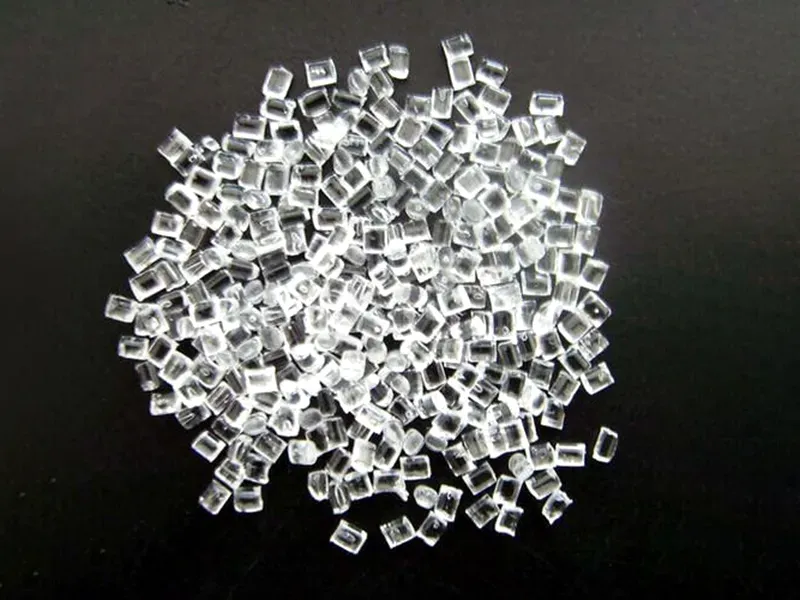
Polycarbonate (PC)
High-transparency, impact-resistant PC molding with IATF 16949 precision for rugged industrial and medical hardware.
Learn More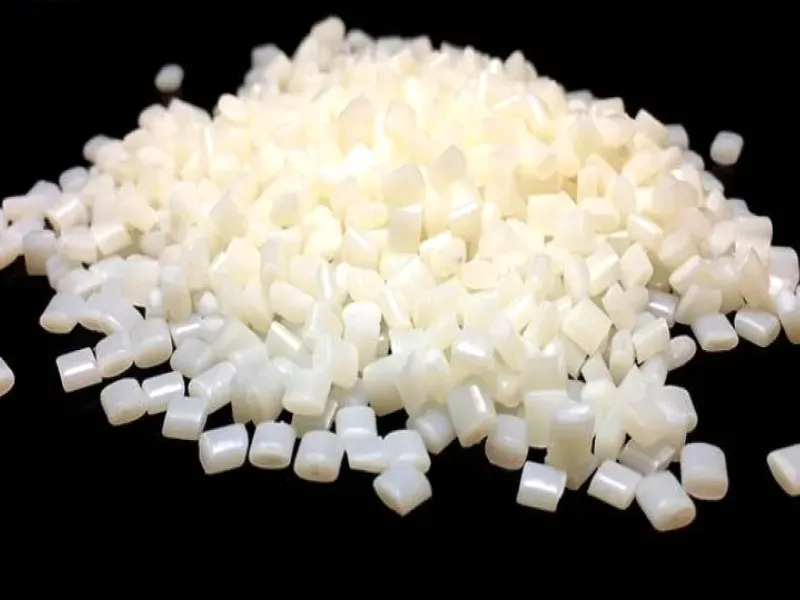
Nylon
High-performance Nylon molding solutions featuring advanced desiccant drying and precision thermal control for superior wear-resistant industrial components at scale.
Learn More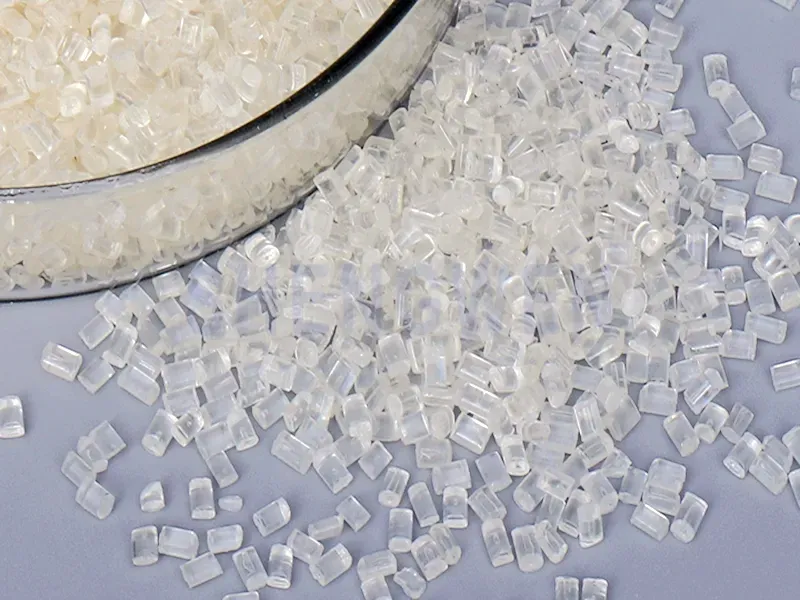
Polysulfone (PSU)
Master PSU injection molding with crystal-clear precision and 174°C thermal stability for high-volume, medical-grade production runs.
Learn More
Peek
Ultra-high performance PEEK molding with IATF 16949 precision for mission-critical components requiring extreme thermal and chemical resistance.
Learn MoreRequest DFM EvaluationAccess Full Material Data SheetsTECHNICAL REFERENCEFrequently Asked Questions
Answers to common questions regarding precision, tooling, materials, and our integrated molding capabilities.Copolymer is preferred for high-alkaline environments and long-term hot water contact, while Homopolymer (Delrin) offers superior tensile strength and fatigue resistance for high-load mechanical components.
We utilize advanced mold cooling systems and scientific molding techniques to strictly control the crystallization phase, allowing us to consistently achieve tolerances of plus/minus 0.02mm for high-precision gears.
Yes, Acetal is inherently self-lubricating with an exceptionally low coefficient of friction, making it the industry-standard choice for high-speed gears, cams, and sliding mechanisms in dry environments.
We integrate our in-house precision metal stamping with injection molding to create robust hybrid components, utilizing custom mechanical interlocks to ensure permanent bonding despite Acetal’s low surface energy.
Absolutely, Acetal is the most machinable engineering plastic. Its high rigidity and excellent chip formation allow us to perform precise secondary milling and turning for sub-micron level accuracy.
Acetal exhibits outstanding resistance to hydrocarbons, alcohols, and neutral chemicals. This chemical inertness makes it the ideal material for high-performance fuel system components and industrial fluid management.
Our engineers strictly monitor barrel temperatures and residence times to prevent formaldehyde outgassing, ensuring the mechanical integrity of the part while protecting high-precision mold surfaces from corrosive damage.
Acetal features extremely low moisture absorption and high creep resistance, ensuring that mechanical components maintain their exact shape and functional performance even under constant load and varying humidity.

Still have questions?
Our engineering team loves solving complex problems. Chat with us or send your drawing for a review.
Request DFM EvaluationReady to Manufacture With One Accountable Factory?
From in-house tooling to high-volume production — stamping, molding, plating and assembly under one IATF 16949 roof. Send your spec and volume, get a quote within 24 hours.