
PEEK Resins: Technical Processing & Material Properties
We engineer high-performance PEEK components by meticulously managing extreme processing temperatures exceeding 400°C to optimize crystallization kinetics and structural density, ensuring that our IATF 16949 -certified production maintains superior dimensional stability under severe environmental l…
We engineer high-performance PEEK components by meticulously managing extreme processing temperatures exceeding 400°C to optimize crystallization kinetics and structural density, ensuring that our IATF 16949-certified production maintains superior dimensional stability under severe environmental loads. By implementing advanced thermal-profile regulation and precise mold-temperature control, we eliminate internal voids and surface defects, which translates to consistent, flash-less overmolding and high-load mechanical integrity for demanding automotive and industrial hardware assemblies.
Thermal Control: Precise 200°C mold temperature management.Scientific Molding: Data-driven decoupled processing for consistency.Advanced Drying: Mandatory 160°C desiccant moisture removal.Hybrid Integration: Seamless PEEK-to-metal overmolding expertise.Request DFM EvaluationSee Peek Molding Capabilty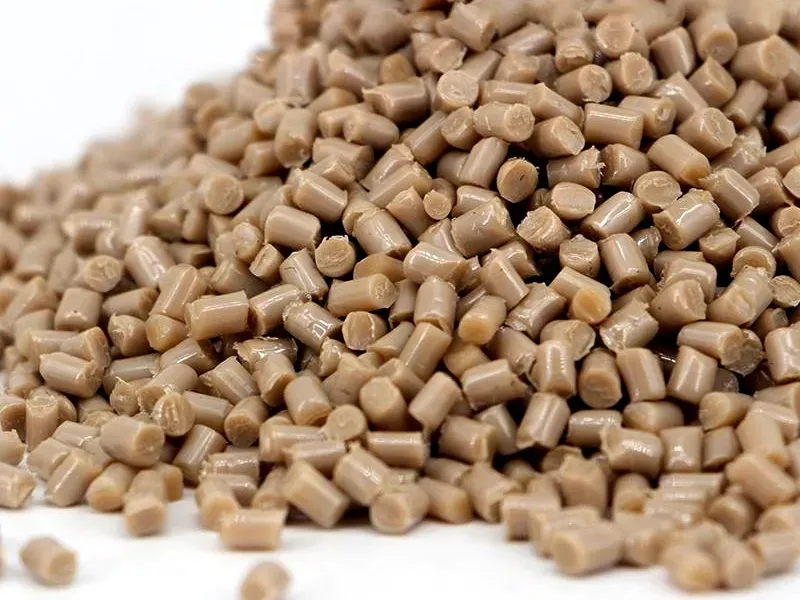
Material Overview: Polyetheretherketone (PEEK)
Polyetheretherketone (PEEK) is a high-performance semi-crystalline engineering thermoplastic, widely recognized as one of the most chemically resistant and mechanically robust polymers available today. By providing an exceptional strength-to-weight ratio and the ability to withstand continuous service temperatures up to 260°C (500°F), PEEK injection molding solutions offer a superior alternative to metal alloys in mission-critical environments. It is particularly well-suited for high-precision components that require extreme fatigue resistance, wear resistance, and low outgassing properties. This makes it a preferred choice for aerospace fluid handling, medical implants, and complex downhole energy sector components where failure is not an option.
Engineered Excellence
Extreme Thermal Stability
As a high-performance semi-crystalline polymer, PEEK maintains its mechanical properties at continuous service temperatures up to 260°C. This makes it the premier choice for sterilization-intensive medical tools and high-heat automotive under-the-hood components.
Superior Chemical Resistance
PEEK offers chemically inert performance, resisting damage from organic solvents, acids, and bases. This inherent resilience ensures long-term part integrity in aggressive environments like oil and gas extraction or chemical processing plants.
Exceptional Wear Resistance
With a low coefficient of friction and high abrasion resistance, PEEK is ideal for dynamic applications. It replaces metal in bushings, bearings, and seals, significantly reducing component weight while extending the service life of moving assemblies.
High Strength-to-Weight Ratio
PEEK provides the tensile strength of many metals with significantly lower density. This allows for the production of lightweight, high-load-bearing structural components that contribute to fuel efficiency in aerospace and ease of use in handheld surgical devices.
Material Grade Variation
Unfilled / Virgin PEEK
Offers the highest purity, maximum elongation, and excellent fatigue resistance. Ideal for medical implants and chemical analytical equipment.Glass-Filled (30%)
Reinforced with glass fibers to significantly increase the flexural modulus and reduce the expansion rate. Best for structural parts requiring high stiffness at elevated temperatures.Carbon-Filled (30%)
Provides the highest level of strength and stiffness while enhancing thermal conductivity. Optimized for load-bearing applications in aerospace and high-performance automotive.Bearing Grade (PTFE/Graphite)
Formulated with specialized lubricants to deliver the lowest coefficient of friction. Engineered for high-speed dynamic seals, bushings, and wear strips.Medical Grade
Specifically tested and certified for biocompatibility. Designed for long-term surgical implants and repeated steam sterilization (autoclaving) cycles.
Technical Data Section: PEEK Material Properties
To assist engineers in evaluating the baseline performance of high-performance PEEK resin, the following table details the core physical, thermal, and mechanical metrics. These PEEK injection molding material properties are representative of unfilled, virgin grades commonly utilized in aerospace, medical, and high-pressure industrial components.
| PROPERTY | TEST METHOD (ASTM/ISO) | VALUE (METRIC) | VALUE (IMPERIAL) |
|---|---|---|---|
| Density / Specific Gravity | ASTM D792 | 1.30 g/cm³ | 0.047 lb/in³ |
| Melt Flow Rate (MFR) | ASTM D1238 | 3 - 5 g/10min | 3 - 5 g/10min |
| Mold Shrinkage (Flow) | ASTM D955 | 1.0% - 1.2% | 0.010 - 0.012 in/in |
| Tensile Strength at Yield | ASTM D638 | 100 MPa | 14,500 psi |
| Elongation at Break | ASTM D638 | 15% - 20% | 15% - 20% |
| Flexural Modulus | ASTM D790 | 4100 MPa | 595,000 psi |
| Izod Notched Impact Strength | ASTM D256 | 85 J/m | 1.6 ft-lb/in |
| Heat Deflection Temp (1.8MPa) | ASTM D648 | 160°C | 320°F |
| Continuous Service Temp | UL 746B | 260°C | 500°F |
| Flammability Rating | UL94 | V-0 (1.5mm) | V-0 (1.5mm) |
Comparison Context: Virgin PEEK vs. 30% Carbon-Filled PEEK
When engineering components for high-stress or extreme-temperature environments, selecting the specific grade of PEEK is critical. While Virgin PEEK offers the best elongation and chemical purity, upgrading to a 30% Carbon-Filled PEEK grade significantly enhances structural rigidity and thermal conductivity. This reinforcement allows for superior load-bearing performance and dimensional stability in aerospace and high-performance energy sector applications.
| PROPERTY / SPECIFICATION | VIRGIN PEEK (UNFILLED) | 30% CARBON-FILLED PEEK |
|---|---|---|
| Material Composition | 100% Polyetheretherketone Resin | PEEK Resin + 30% Carbon Fiber Reinforcement |
| Tensile Strength (Yield) | 95 – 100 MPa | 200 – 230 MPa (Significant Reinforcement) |
| Flexural Modulus | 3,700 – 4,100 MPa | 18,000 – 21,000 MPa (Extreme Rigidity) |
| Heat Deflection Temp (HDT @ 1.82 MPa) | 160°C | 315°C (+155°C Thermal Improvement) |
| Coefficient of Thermal Expansion | 45 – 50 µm/m-°C | 10 – 15 µm/m-°C (Superior Stability) |
| Surface Resistivity | Insulative (~10^16 Ω/sq) | Conductive/Dissipative (~10^3 - 10^7 Ω/sq) |
| Impact Resistance (Notched Izod) | 80 – 90 J/m | 75 – 85 J/m (Slightly Reduced Ductility) |
| Mold Shrinkage Rate | 1.0% – 1.2% | 0.1% – 0.3% (Requires Precision Tooling) |
| Primary Applications | Medical implants, valves, food contact | Aerospace structures, racing, oil & gas tools |
| Biocompatibility / FDA | Excellent (Standard for Implants) | Industrial Grade (Not for long-term implant) |
Advantages & Limitations: PEEK Injection Molding
An objective, engineering-first analysis detailing the industrial strengths and inherent drawbacks of PEEK for ultra-high-performance injection molding and precision hybrid assembly operations.Key Advantages
Exceptional Thermal Performance: PEEK maintains mechanical integrity at continuous operating temperatures up to 260°C and withstands short-term excursions to 300°C, outperforming nearly all other engineering thermoplastics in heat-intensive environments.
Superior Chemical & Radiation Resistance: The material is chemically inert to most organic and inorganic chemicals and maintains its properties even under high doses of ionizing radiation, making it ideal for aerospace and nuclear applications.
High Mechanical Strength & Fatigue Resistance: PEEK exhibits high tensile strength and stiffness, coupled with excellent fatigue resistance over millions of cycles, allowing it to replace metal components in high-load dynamic systems.
Highly Aesthetic Surface Finish: The material excellently replicates mold cavity textures, easily achieving high-gloss, matte, or custom SPI finishes without the need for expensive secondary coating operations.
Excellent Biocompatibility: As a chemically stable and non-toxic polymer, PEEK is the gold standard for long-term medical implants and surgical instruments requiring repeated steam sterilization without degradation.
Inherent Flame Retardancy: PEEK naturally achieves a UL94 V-0 rating without the use of additives, producing extremely low smoke and toxic gas emissions during combustion, which is critical for aircraft interior safety.
Critical Limitations
Extremely High Material Cost: PEEK resin is significantly more expensive than standard engineering plastics (like Nylon or PC). Mitigation Tip: Use precise mold flow analysis to minimize runner waste and optimize part weight during the DFM phase.
Demanding Processing Requirements: PEEK requires specialized injection molding machines capable of reaching melt temperatures of 350°C to 400°C and mold temperatures above 170°C to ensure proper crystallinity.
Sensitivity to Thermal Gradients: Improper cooling rates can lead to non-uniform crystallinity, resulting in internal stresses or brittle spots. Mitigation Tip: Strict control of mold temperature heating systems is mandatory for dimensional repeatability.
Anisotropic Shrinkage in Filled Grades: When using glass or carbon-filled PEEK, shrinkage differs significantly between the flow and cross-flow directions. Mitigation Tip: Advanced gate positioning and simulation are required to prevent warping.
Difficulty in Solvent Bonding: Due to its exceptional chemical resistance, PEEK is nearly impossible to bond using traditional solvents. Mitigation Tip: Specify mechanical fasteners, laser welding, or specialized plasma surface treatments for assembly.
Engineering Analysis: Peek Injection Molding Performance
A comprehensive breakdown of technical strengths, ideal use cases, and critical environmental constraints to guide your material selection process for precision mechanical components.Industrial Strengths
Core mechanical and thermal benefits that make this material the premier choice for extreme engineering environments.The Sweet Spot
Specific scenarios where PEEK outperforms all other polymers in reliability, durability, and specialized performance.Technical Constraints
Inherent processing requirements that demand expert Design-for-Manufacturing (DFM) and specialized equipment.Avoidance Criteria
Critical operational environments or functional requirements where PEEK may be over-engineered or technically unsuitable.
Injection Molding Processing Guide: Peek
To ensure consistent part quality, optimal mechanical performance, and repeatable tolerances across high-performance production, strictly adhere to these fundamental parameters for medical and industrial PEEK grades.Pre-Processing & Drying
PEEK is semi-crystalline and highly sensitive to moisture at its extreme processing temperatures. Inadequate drying leads to hydrolytic degradation, causing a significant loss in molecular weight and catastrophic failure of mechanical properties.
Drying Temp: 150°C - 160°CDuration: 4 - 6 HoursMax Moisture: < 0.02%Equipment: High-performance desiccant dryer (Mandatory)Engineer's Note
"At 400°C melt temperatures, even trace amounts of moisture trigger immediate polymer chain scission. Unlike standard resins where moisture causes visible splay, PEEK's degradation can be invisible to the naked eye while reducing tensile strength by up to 30%. Always use a moisture analyzer to confirm levels are below 0.02% before initiating the molding cycle."
Troubleshooting & Defect Mitigation: PEEK Injection Molding
Incomplete Crystallinity (Dark Spots/Brittleness)
Incomplete crystallinity is often caused by insufficient mold temperatures (below 170°C) or rapid cooling, which leaves PEEK in an amorphous state and reduces its chemical resistance. To ensure proper crystalline growth and material properties, increase the mold heater capacity to maintain stable, high-intensity surface temperatures.Thermal Degradation (Material Charring)
Material charring occurs when PEEK resin is left stagnant in the barrel at 400°C during production interruptions. If the cycle stops for more than 5 minutes, immediately purge the barrel with a high-heat stable cleaning compound or lower the temperatures to a safe standby range to prevent degradation.Void Formation (Internal Porosity)
Void formation is a common issue in thick-walled PEEK parts due to high volumetric shrinkage during solidification. To eliminate internal porosity, utilize high packing pressures and extended hold times, and ensure gate diameters are large enough to prevent premature freezing before the cavity is fully packed.
Critical Dos & Don'ts
Engineering pro-tips and specific processing protocols to protect material performance, mold longevity and operator safetyAvoid Polymer Degradation: Do not allow PEEK melt to reside in the barrel for more than 5 minutes at temperatures above 380°C. Prolonged heat exposure causes cross-linking and carbonization, leading to black specks and compromised structural performance.
Mandatory High-Temperature Venting: Ensure specialized vent depths of 0.03 mm to 0.05 mm are present at the end of fill. Because of PEEK’s high melt temperature, gas trapping occurs rapidly, leading to “diesel burns” or scorch marks that can permanently damage the mold steel.
Strict Crystallinity Control: Never run PEEK with a cold mold or standard water-cooled systems. For industrial and medical grades, the mold must be heated to 170°C–200°C using oil or electric heaters. Failure to do so results in a quenched, amorphous part with vastly inferior mechanical properties.
Why Choose UsWhy Industry Leaders Choose Kravzik?
Delivering uncompromising precision, accelerated speed-to-market, and fully integrated manufacturing solutions for the most demanding technical applications.
Accelerated NPI & Rapid Turnaround
We compress your development cycles. By integrating agile manufacturing processes with advanced in-house capabilities, we deliver functional, test-ready components in days—helping you hit tight launch deadlines without sacrificing quality.
Production-Grade Precision & QA
Quality is non-negotiable for medical, aviation, and advanced robotics applications. We achieve strict dimensional tolerances backed by comprehensive in-house metrology, including CMM vision systems, complete FAI reporting, and ISO-compliant workflows.
Proactive DFM & Cost Optimization
We don’t just execute prints; we optimize them. Our engineering team provides rigorous Design for Manufacturability (DFM) reviews upfront. By identifying potential defects early, we significantly reduce tooling risks and overall unit costs.
Seamless Scalability & IP Protection
Grow your volume seamlessly without switching suppliers. We transition your projects from low-volume prototypes to high-yield mass production under one roof. All proprietary CAD designs are strictly protected under legally binding NDAs.
Evaluate High-Performance Plastics & Resins Specifications
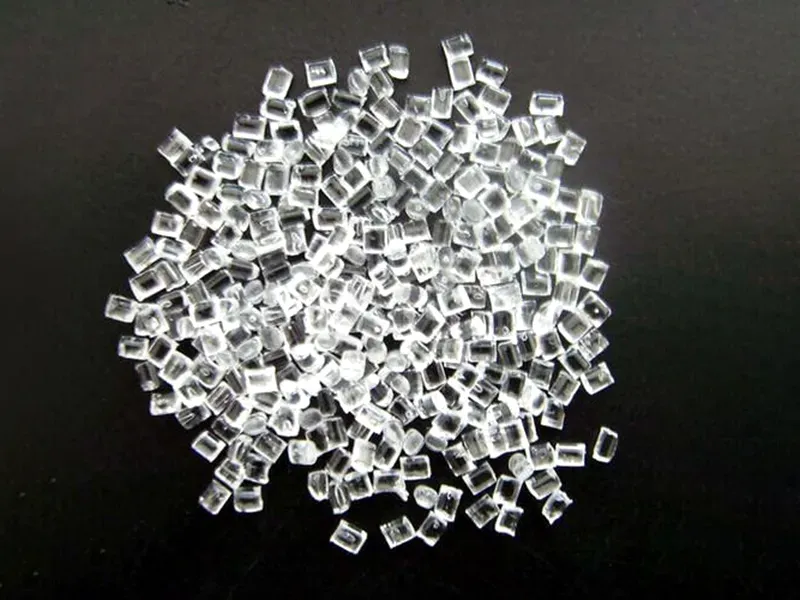
Polycarbonate (PC)
High-transparency, impact-resistant PC molding with IATF 16949 precision for rugged industrial and medical hardware.
Learn More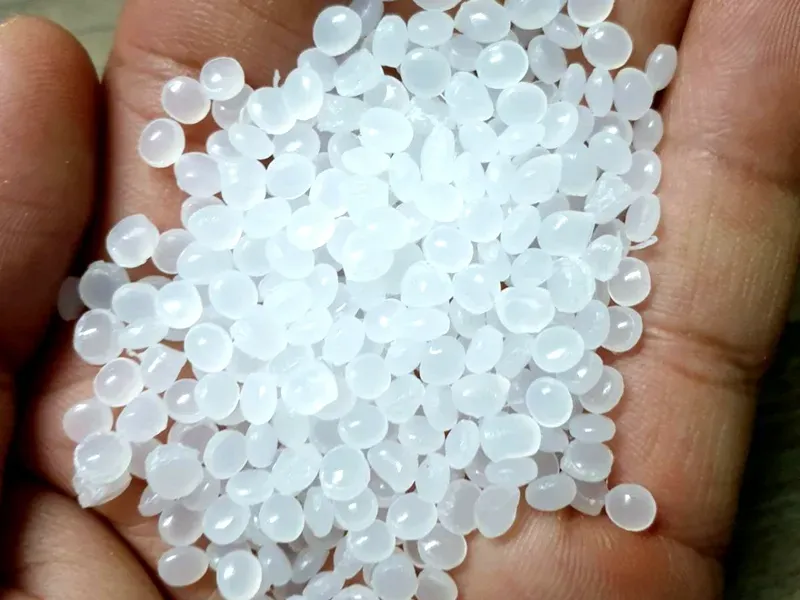
LLDPE
Mastering LLDPE’s high-shrinkage for precise, tear-resistant flexible components. High-volume production with advanced thermal control and integrated insert molding.
Learn More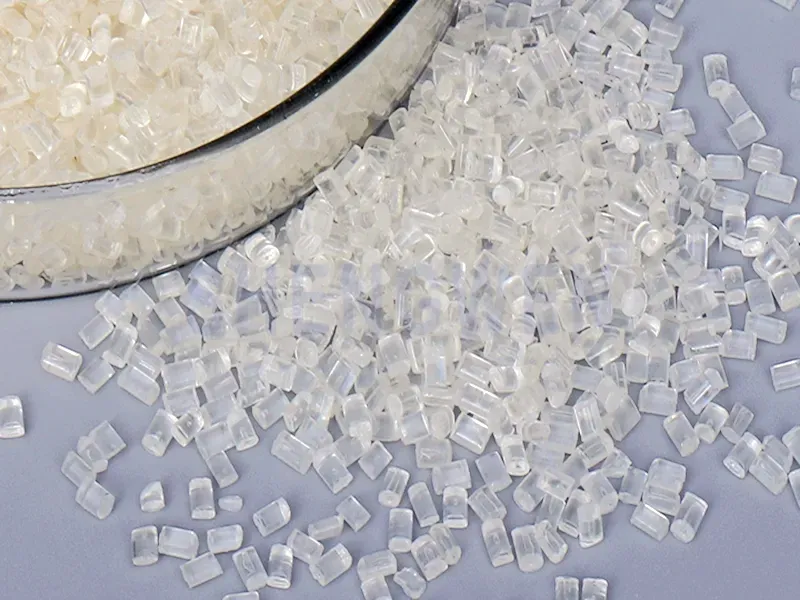
Polysulfone (PSU)
Master PSU injection molding with crystal-clear precision and 174°C thermal stability for high-volume, medical-grade production runs.
Learn More
PC ABS
Engineered PC+ABS solutions combining extreme impact strength with superior heat resistance. We leverage IATF-certified precision to deliver high-volume, zero-defect structural components.
Learn MoreRequest DFM EvaluationAccess Full Material Data SheetsTECHNICAL REFERENCEFrequently Asked Questions
Answers to common questions regarding precision, tooling, materials, and our integrated molding capabilities.Yes. PEEK offers a superior strength-to-weight ratio compared to stainless steel and aluminum. By utilizing carbon-fiber reinforced PEEK and our precision DFM expertise, Kravzik produces structural parts that withstand extreme mechanical stress and chemical exposure while reducing overall weight by up to 70%.
Unfilled PEEK maintains its mechanical integrity at continuous service temperatures up to 260°C. For short-term exposure, the material can withstand peaks up to 300°C. Our specialized annealing process further stabilizes the polymer chain, ensuring long-term dimensional stability in these high-heat environments.
Crystallinity is the key to PEEK’s performance. We utilize specialized high-power oil heaters and electric cartridges to maintain mold temperatures between 170°C and 200°C. This prevents “quenching” and ensures the part achieves its full semi-crystalline potential for maximum wear and chemical resistance.
Absolutely. We source medical-grade PEEK that is fully biocompatible and compliant with ISO 10993 and FDA standards. These grades are specifically designed for long-term surgical implants and food processing equipment, capable of enduring repeated steam sterilization (autoclaving) without degradation.
PEEK belongs to the PAEK family of ultra-polymers, requiring high-purity monomers and complex synthesis. While the initial material cost is high, its longevity, metal-replacement capabilities, and resistance to failure in extreme conditions provide a much lower Total Cost of Ownership (TCO) for mission-critical systems.
Yes. PEEK’s excellent structural integrity makes it highly machinable. We provide post-mold CNC turning and milling to achieve ultra-tight tolerances (down to ±0.005 mm) or to add complex internal threads that are difficult to achieve through injection molding alone.
Thick PEEK sections are prone to shrinkage voids. We mitigate this using Scientific Injection Molding (SIM) protocols, which involve high packing pressures and optimized gate designs. Our real-time cavity pressure monitoring ensures the mold is fully packed before the gate freezes, guaranteeing internal density.
Because PEEK requires hardened tool steels (like H13 or S136) and specialized heating manifolds, the tooling phase typically takes 4 to 6 weeks. This includes DFM analysis, mold flow simulation, and T1 sampling to ensure the final product meets all structural and aesthetic requirements.

Still have questions?
Our engineering team loves solving complex problems. Chat with us or send your drawing for a review.
Request DFM EvaluationReady to Manufacture With One Accountable Factory?
From in-house tooling to high-volume production — stamping, molding, plating and assembly under one IATF 16949 roof. Send your spec and volume, get a quote within 24 hours.