
Liquid Silicone Rubber (LSR) Technical Processing & Material Properties
We leverage IATF 16949 -certified liquid injection molding to achieve superior thermal stability and high-purity processing in liquid silicone rubber (LSR) components. By applying advanced platinum-cure expertise to regulate rheological behavior and cross-linking density, we ensure consistent, flas…
We leverage IATF 16949-certified liquid injection molding to achieve superior thermal stability and high-purity processing in liquid silicone rubber (LSR) components. By applying advanced platinum-cure expertise to regulate rheological behavior and cross-linking density, we ensure consistent, flash-less overmolding performance for demanding automotive and industrial applications where dimensional stability is mission-critical.
Platinum Curing: Ensuring medical-grade biological inertness.Flash Control: 0.01mm precision for hermetic seals.Thermal Resistance: Reliable from -50°C to 250°C.Chemical Bonding: Permanent overmolding for hybrid parts.Request DFM Evaluation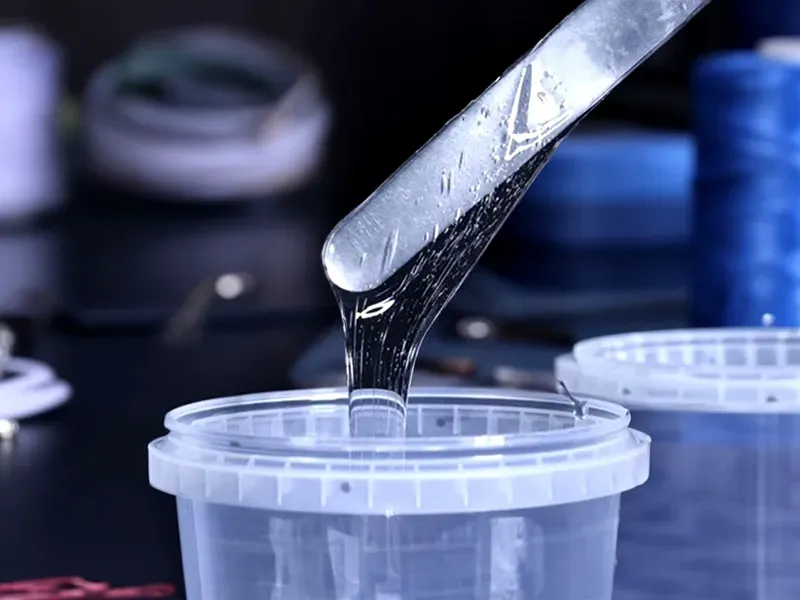
Material Overview: Liquid Silicone Rubber (LSR)
Liquid Silicone Rubber (LSR) is a high-purity, two-component platinum-cured silicone elastomer, widely recognized as a premium material for high-performance industrial and medical manufacturing. By utilizing a cross-linked siloxane backbone, LSR offers an exceptional balance of thermal stability, chemical resistance, and permanent compression set. Its low-viscosity liquid state allows for precise filling of complex geometries and thin-walled sections that standard thermoplastics cannot achieve. It is particularly well-suited for high-precision sealing components, gaskets, and medical-grade parts that require biocompatibility or extreme temperature resilience, making it a preferred choice for complex overmolding applications and hardware-integrated seals.
Engineered Excellence
Extreme Temperature Resilience
The cross-linked siloxane backbone of LSR ensures physical and mechanical stability across a vast temperature range (-50°C to 250°C), far exceeding the performance of traditional organic elastomers in automotive and aerospace applications.
Low Compression Set
LSR exhibits exceptional elastic recovery, maintaining tight seals and structural integrity even after prolonged mechanical stress. This “rebound” capability is critical for long-term reliability in high-performance industrial gaskets and valves.
Biological & Chemical Inertness
Inherently hypoallergenic and resistant to UV, ozone, and harsh sterilization processes, LSR is the premier choice for medical-grade and food-contact components requiring strict FDA and ISO 10993 compliance.
Precision Detail Replication
The low-viscosity liquid state of the material allows it to fill intricate mold cavities and micro-textures with ease. This enables the manufacturing of ultra-thin-walled parts and high-tolerance overmolded components without the risk of flash.
Material Grade Variation
General Purpose
Standard platinum-cured grades with a balanced durometer range (Shore A 30-70), offering excellent elongation and tear strength for industrial seals and gaskets.Medical & Biocompatible
High-purity grades compliant with USP Class VI and ISO 10993 standards, specifically formulated for skin-contact devices and long-term medical components.Food Grade (FDA)
Materials engineered to meet FDA 21 CFR 177.2600 and BfR requirements, ensuring safety for kitchenware, infant products, and food processing equipment.Self-Bonding Grade
Specialized formulations designed for multi-material overmolding, providing superior chemical adhesion to thermoplastic substrates like PC, PBT, or PA without primers.Oil & Chemical Resistant
Modified siloxane structures or fluorosilicone-based grades (F-LSR) that maintain structural integrity when exposed to fuels, oils, and aggressive automotive fluids.
Technical Data Section: LSR Material Properties
To assist engineers in evaluating the performance of Liquid Silicone Rubber (LSR), the following table details the core physical, mechanical, and thermal metrics. These LSR properties are representative of standard platinum-cured, general-purpose grades commonly utilized in high-precision sealing, medical components, and automotive gaskets.
| PROPERTY | TEST METHOD (ASTM/ISO) | VALUE (METRIC) | VALUE (IMPERIAL) |
|---|---|---|---|
| Density / Specific Gravity | ASTM D792 | 1.12 g/cm³ | 0.040 lb/in³ |
| Hardness (Durometer) | ASTM D2240 | 50 Shore A | 50 Shore A |
| Linear Mold Shrinkage | ASTM D955 | 2.0% - 3.5% | 0.020 - 0.035 in/in |
| Tensile Strength at Break | ASTM D412 | 9.5 MPa | 1378 psi |
| Elongation at Break | ASTM D412 | 480% | 480% |
| Tear Strength | ASTM D624 | 35 N/mm | 200 lbf/in |
| Compression Set (22h @ 175°C) | ASTM D395 | 15% | 15% |
| Service Temperature Range | Internal | -50°C to 230°C | -58°F to 446°F |
| Dielectric Strength | ASTM D149 | 20 kV/mm | 508 V/mil |
| Flammability Rating | UL94 | V-0 / HB | V-0 / HB |
Comparison Context: Liquid Silicone Rubber (LSR) vs. TPE / TPU
When selecting elastomeric materials for high-performance sealing or medical applications, engineers frequently evaluate Liquid Silicone Rubber (LSR) against Thermoplastic Elastomers (TPE/TPU). While TPEs offer cost-effective recyclability and standard injection molding processing, LSR provides a superior cross-linked chemical structure that delivers unmatched thermal stability, chemical inertness, and a significantly lower compression set, making it the definitive choice for critical components in the medical, automotive, and aerospace sectors.
| PROPERTY / SPECIFICATION | LIQUID SILICONE RUBBER (LSR) | TPE / TPU (THERMOPLASTIC) |
|---|---|---|
| Material Classification | Thermoset (Platinum-Cured) | Thermoplastic (Physical Bond) |
| Service Temperature Range | -50°C to +250°C (Extreme Stability) | -40°C to +120°C (Limited by Heat) |
| Compression Set (Recovery) | Excellent (Retains shape under load) | Moderate to Poor (Prone to deformation) |
| Chemical & UV Resistance | Exceptional (Ozone/UV/Oil resistant) | Variable (Susceptible to many solvents) |
| Processing Method | Liquid Injection Molding (LIM) | Standard Injection Molding |
| Curing / Cooling Mechanism | Exothermic Heat-Addition Curing | Standard Thermal Cooling |
| Biocompatibility (Medical) | High (USP Class VI / ISO 10993) | Moderate (Grade dependent) |
| Sterilization Suitability | Autoclave, Gamma, ETO, Steam | Limited (Heat sensitive) |
| Overmolding Capabilities | Superior (Chemically bonds to high-heat plastics) | Good (Mechanical or chemical bond) |
| Primary Applications | Medical valves, gaskets, engine seals | Consumer grips, toys, flexible tubing |
Advantages & Limitations: LSR Injection Molding
An objective, engineering-first analysis of Liquid Silicone Rubber’s unique thermosetting properties, industrial benefits, and specific processing constraints for high-performance elastomeric components.Key Advantages
Extreme Thermal Resistance: The cross-linked siloxane backbone maintains physical and mechanical properties across a vast temperature range (-50°C to 250°C), significantly outperforming organic rubbers in automotive engine and aerospace environments.
Biological & Chemical Inertness: Inherently hypoallergenic and resistant to UV, ozone, and harsh sterilization (autoclave, gamma, ETO), LSR is the gold standard for FDA-compliant medical-grade parts and food-contact components.
Exceptional Compression Set: LSR exhibits near-perfect elastic recovery, maintaining tight seals and structural integrity even after prolonged mechanical stress, which is critical for the long-term reliability of industrial valves and gaskets.
High-Precision Detail Replication: The low-viscosity liquid state allows for the filling of intricate micro-textures and ultra-thin-walled sections (< 0.30 mm) that standard thermoplastics cannot achieve, ensuring high-fidelity part geometry.
Superior Overmolding Adhesion: Specialized self-bonding grades create a permanent chemical bond with high-performance plastics (like PBT, PC, or PA) and metal inserts, eliminating the need for primers or mechanical interlocks.
Critical Limitations
High Initial Tooling Investment: LSR requires high-precision, hermetically sealed molds with integrated heating elements and specialized cold runner systems to prevent material waste. Mitigation Tip: Optimize for high-volume production to amortize tool costs.
Non-Recyclable Thermoset Nature: Unlike thermoplastics, cured LSR undergoes a permanent chemical change and cannot be remelted or reprocessed. Mitigation Tip: Use flash-less mold designs and valve-gate cold runners to minimize material waste.
Extended Cycle Times: The exothermic curing (vulcanization) process typically takes longer than the simple thermal cooling of thermoplastics. Mitigation Tip: Utilize multi-cavity molds and automated part removal systems to maximize throughput.
Platinum Catalyst Sensitivity: The curing process can be “poisoned” (inhibited) by trace contact with sulfur, nitrogen, or certain tin/lead compounds found in other rubbers. Mitigation Tip: Maintain strict material segregation and clean-room molding protocols.
Premium Raw Material Cost: High-purity silicone resins are significantly more expensive per kilogram than standard elastomers like TPE or TPU. Mitigation Tip: Reserve LSR for performance-critical components where its unique durability is a functional requirement.
Engineering Analysis: Liquid Silicone Rubber (LSR) Injection Molding Performance
A comprehensive breakdown of technical strengths, ideal use cases, and critical environmental constraints to guide your material selection process for precision mechanical components.Industrial Strengths
Core physical and processing benefits that make this material the gold standard for high-performance sealing.The Sweet Spot
The specific scenarios where LSR outperforms all others in durability, precision, and long-term reliability.Technical Constraints
Inherent material behaviors that require strategic Design-for-Manufacturing (DFM) adjustments.Avoidance Criteria
Critical operational environments or functional requirements where this material is likely to fail or be inefficient.
Injection Molding Processing Guide: Liquid Silicone Rubber (LSR)
To ensure optimal cross-linking density, repeatable durometer accuracy, and flash-free components, strictly follow these preparation protocols for two-component platinum-cured LSR.Precision Metering & Mixing
Unlike thermoplastics, LSR preparation focuses on the precise 1:1 delivery and homogeneous mixing of Part A (catalyst) and Part B (cross-linker) to initiate the chemical curing reaction.
Mixing Ratio: 1:1 (By Volume/Weight)De-aeration: Integrated Vacuum DegassingAdditive Injection: Precision Pigment/Stabilizer MeteringInhibition Guard: Zero Sulfur/Nitrogen ExposureEngineer's Note
"While thermoplastics fear moisture, LSR's greatest threat is catalyst poisoning. Trace contact with sulfur, nitrogen, or tin compounds—often found in common rubbers or nitrile gloves—will permanently inhibit vulcanization, resulting in sticky, uncured parts. Strict environmental isolation in the metering zone is mandatory for high-precision medical and electronic sealing."
Troubleshooting & Defect Mitigation: LSR Injection Molding
Flash & Seal Integrity
LSR’s ultra-low viscosity allows it to penetrate gaps as small as 0.005 mm, leading to excessive flash. To resolve this, verify mold clamping force and check for worn parting lines or damaged mold plates. High-precision tool maintenance and the use of vacuum-assisted venting are critical to achieving flash-free, high-tolerance sealing parts.Cure Inhibition (Sticky Surfaces)
Cure inhibition results in tacky, soft, or incomplete curing, usually caused by trace contact with sulfur, nitrogen, or tin compounds. To fix this, strictly isolate the LSR molding environment and ensure that all equipment, containers, and operator apparel (such as gloves) are certified platinum-cured compatible to prevent catalyst poisoning.Air Voids & Porosity
Internal bubbles or surface voids typically stem from improper de-aeration during the metering phase or inadequate mold venting. To correct this issue, optimize the vacuum extraction cycle in the dosing system and adjust the injection speed to ensure a stable, laminar flow front that prevents air entrapment during the cavity filling stage.
Critical Dos & Don'ts
Engineering pro-tips and specific processing protocols to protect material performance, mold longevity and operator safetyPrevent Catalyst Poisoning (Cure Inhibition): Never allow Liquid Silicone Rubber to come into contact with sulfur, nitrogen, or tin compounds. Even trace residues from nitrile gloves, secondary rubber seals, or non-compatible lubricants will permanently inhibit the platinum-curing process, leaving parts sticky and structurally compromised.
Maintain Precision Cold Runner Management: Unlike thermoplastics, the LSR barrel and runner system must be actively cooled (20°C to 30°C) to prevent premature vulcanization before the material reaches the cavity. Ensure a robust thermal break between the cold deck and the heated mold plates (170°C to 210°C) to avoid nozzle “freeze-off” or material waste.
Utilize Active Vacuum Venting: Because LSR has an extremely low viscosity and is processed at high pressures, air entrapment is a primary cause of “diesel burns” (scorch marks) and internal voids. Implementing a high-vacuum extraction sequence prior to injection is mandatory for ensuring full consolidation in complex, thin-walled geometries.
Why Choose UsWhy Industry Leaders Choose Kravzik?
Delivering uncompromising precision, accelerated speed-to-market, and fully integrated manufacturing solutions for the most demanding technical applications.
Accelerated NPI & Rapid Turnaround
We compress your development cycles. By integrating agile manufacturing processes with advanced in-house capabilities, we deliver functional, test-ready components in days—helping you hit tight launch deadlines without sacrificing quality.
Production-Grade Precision & QA
Quality is non-negotiable for medical, aviation, and advanced robotics applications. We achieve strict dimensional tolerances backed by comprehensive in-house metrology, including CMM vision systems, complete FAI reporting, and ISO-compliant workflows.
Proactive DFM & Cost Optimization
We don’t just execute prints; we optimize them. Our engineering team provides rigorous Design for Manufacturability (DFM) reviews upfront. By identifying potential defects early, we significantly reduce tooling risks and overall unit costs.
Seamless Scalability & IP Protection
Grow your volume seamlessly without switching suppliers. We transition your projects from low-volume prototypes to high-yield mass production under one roof. All proprietary CAD designs are strictly protected under legally binding NDAs.
Evaluate High-Performance Elastomers & Silicones Specifications
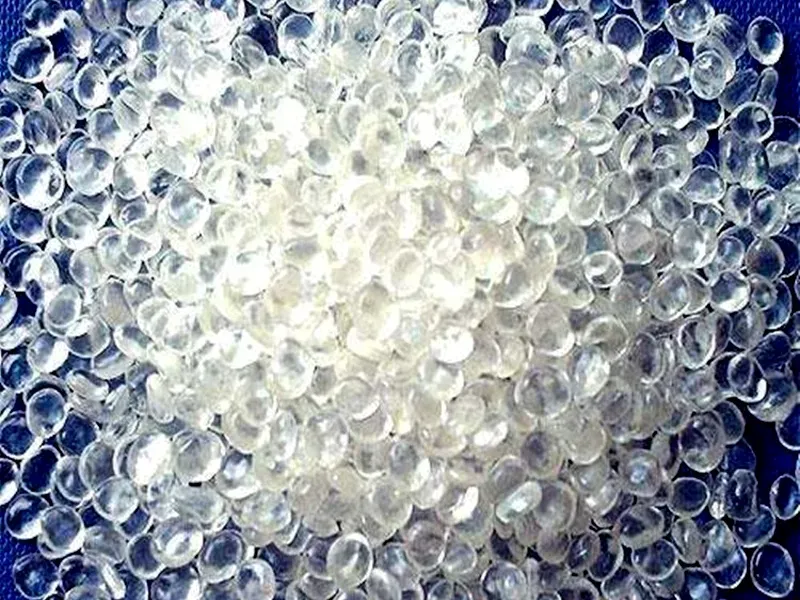
TPU
Industrial-grade TPU molding specializing in high-rebound elastomers and precision overmolding. We deliver ISO-certified components with unmatched abrasion resistance and dynamic flexibility for mission-critical applications.
Learn More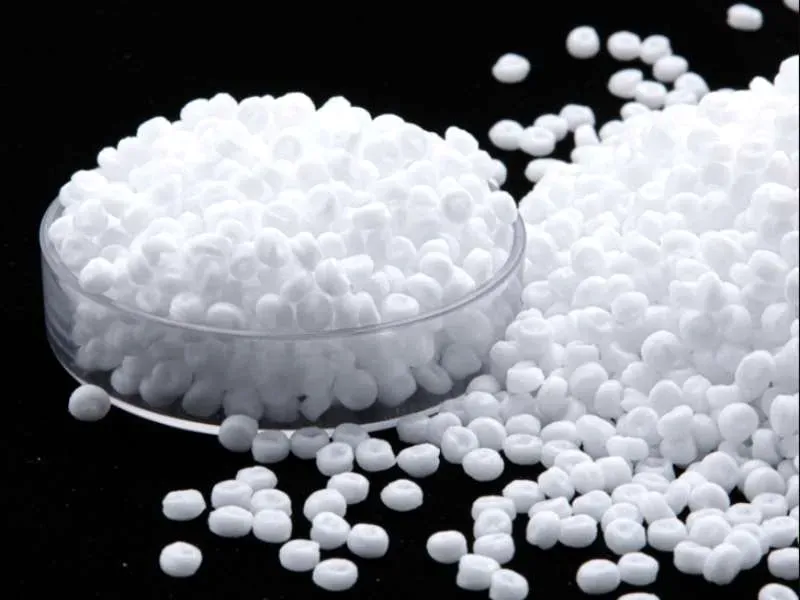
Medical Silicone
A technical deep-dive into Acrylonitrile Butadiene Styrene (ABS), detailing its mechanical properties, shrinkage behavior, and suitability for high-precision insert molding and CNC turning.
Learn MoreRequest DFM EvaluationAccess Full Material Data SheetsTECHNICAL REFERENCEFrequently Asked Questions
Answers to common questions regarding precision, tooling, materials, and our integrated molding capabilities.We utilize ultra-precision hermetically sealed molds and active vacuum venting to manage LSR’s low viscosity. This ensures 0.01mm tolerance control and eliminates secondary trimming for high-performance sealing applications.
We maintain strict material segregation and clean-room molding environments. This prevents trace contact with sulfur or nitrogen, ensuring consistent cross-linking and biocompatibility for ISO 10993 compliant devices.
Yes. By combining our in-house metal stamping with specialized self-bonding LSR grades, we create high-strength hybrid components. This permanent chemical bond ensures IP68-rated waterproofing without the need for primers.
Our IATF 16949 and ISO 9001 certified processes are optimized for high-purity silicone production. We provide full material traceability and compliance documentation for all medical-grade and food-contact LSR projects.
We employ advanced cold-deck technology to keep the material at 25°C until it enters the heated mold. This minimizes cured runner scrap and prevents premature vulcanization, significantly lowering total unit costs.
Absolutely. LSR’s cross-linked siloxane backbone maintains mechanical integrity from -50°C to +250°C. This makes it superior to TPE or TPU for demanding automotive engine and aerospace environments.
We provide calibrated thermal post-curing to eliminate volatiles and optimize compression set. We also offer cryogenic deflashing and plasma surface treatments to facilitate easier automated assembly for complex hardware.
Our engineers provide comprehensive Design for Manufacturing analysis for every project. We optimize wall thickness, gating, and parting lines to ensure repeatable performance in intricate elastomeric and overmolded designs.

Still have questions?
Our engineering team loves solving complex problems. Chat with us or send your drawing for a review.
Request DFM EvaluationReady to Manufacture With One Accountable Factory?
From in-house tooling to high-volume production — stamping, molding, plating and assembly under one IATF 16949 roof. Send your spec and volume, get a quote within 24 hours.