
TPU Technical Processing & Material Properties
Our engineering-first approach manages the complex rheological behavior of TPU to ensure consistent Shore hardness and precision bonding. Utilizing IATF 16949 level quality protocols, we optimize moisture control and thermal stability to deliver high-performance, wear-resistant components.
Our engineering-first approach manages the complex rheological behavior of TPU to ensure consistent Shore hardness and precision bonding. Utilizing IATF 16949 level quality protocols, we optimize moisture control and thermal stability to deliver high-performance, wear-resistant components.
Moisture Control: Strict desiccant drying under 0.02%.Abrasion Resistance: Industry-leading surface wear durability.Precision Venting: Eliminating flash in flexible geometries.Advanced Overmolding: Permanent chemical bonding to substrates.Request DFM EvaluationSee TPU Molding Capabilty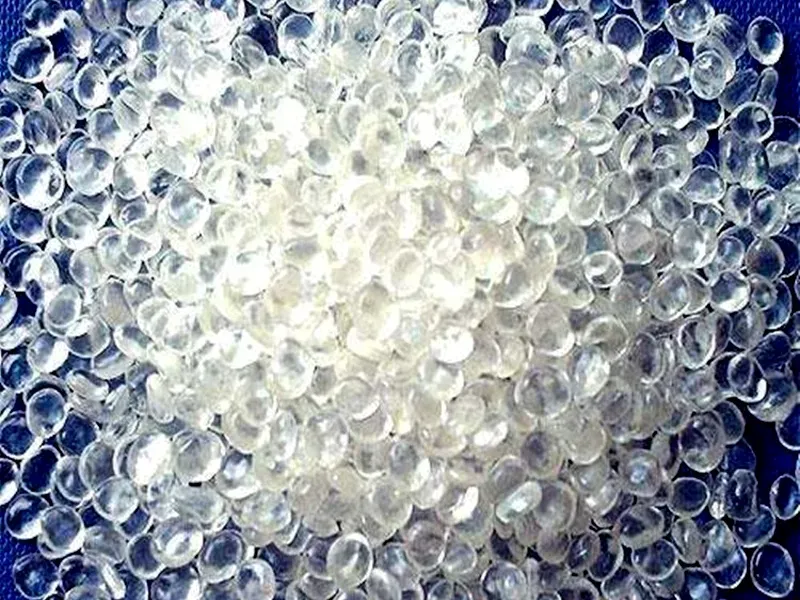
Material Overview: Thermoplastic Polyurethane (TPU)
Thermoplastic Polyurethane (TPU) is a highly versatile linear block copolymer that bridges the functional gap between rubber and traditional engineering plastics. As a premier material for high-performance industrial manufacturing, TPU combines the elastic properties of thermoset elastomers with the processing efficiency of injection molding. By alternating hard segments (diisocyanates) for structural integrity and soft segments (polyols) for flexibility, injection molding TPU materials offer an exceptional spectrum of Shore hardness, remarkable tear strength, and chemical resistance. It is particularly well-suited for high-precision components that require dynamic energy absorption and superior abrasion resistance, making it the preferred choice for complex overmolding applications, ergonomic grips, and robust industrial seals.
Engineered Excellence
Superior Abrasion Resistance
TPU exhibits extraordinary wear resistance, often outperforming metals and other engineering plastics in sliding and friction environments. This makes it ideal for protective covers, drive belts, and heavy-duty industrial wheels where surface longevity is critical.
Dynamic Elasticity & Recovery
Unlike rigid polymers, TPU offers high elongation at break and exceptional memory. It can withstand repeated compression and stretching cycles without permanent deformation, providing reliable performance for seals, gaskets, and vibration dampeners.
Exceptional Low-Temperature Flexibility
TPU maintains its physical properties and impact resistance even in extreme cold. Where other materials become brittle and crack, TPU retains its rubber-like elasticity, ensuring the structural integrity of outdoor equipment and aerospace components.
Oil and Chemical Compatibility
The molecular structure of TPU provides robust resistance to hydrocarbons, oils, and various industrial solvents. This chemical stability prevents material degradation and swelling, making it a preferred choice for automotive fuel-system components and hydraulic seals.
Material Grade Variation
Polyester-Based
Superior mechanical strength and exceptional oil/chemical resistance. The go-to choice for high-wear industrial components like seals, gears, and technical tubes.Polyether-Based
Engineered for hydrolysis resistance and low-temperature flexibility. Ideal for applications with frequent water contact or extreme cold exposure, such as outdoor gear.Flame Retardant
Formulated with specific additives to meet UL94 V-0 or V-2 safety ratings. Essential for electronic housings, wire cabling, and automotive interior components.Medical Grade
Biocompatible and USP Class VI compliant. Optimized for skin-contact applications, medical tubing, and soft-touch surgical instrument handles.Glass-Reinforced
Infused with glass fibers to significantly enhance structural rigidity and reduce thermal shrinkage while maintaining TPU’s signature abrasion resistance.
Technical Data Section: TPU Material Properties
To assist engineers in evaluating the baseline performance of Thermoplastic Polyurethane, the following table details the core physical and mechanical metrics. These TPU injection molding material properties are representative of standard polyester-based grades (Shore 90A-95A) commonly utilized in high-wear industrial components and overmolded assemblies.
| PROPERTY | TEST METHOD (ASTM/ISO) | VALUE (METRIC) | VALUE (IMPERIAL) |
|---|---|---|---|
| Hardness (Shore A) | ASTM D2240 | 90A - 95A | 90A - 95A |
| Density / Specific Gravity | ASTM D792 | 1.21 g/cm³ | 0.0437 lb/in³ |
| Tensile Strength at Yield | ASTM D412 | 45 MPa | 6520 psi |
| Elongation at Break | ASTM D412 | 450% - 550% | 450% - 550% |
| Tear Strength | ASTM D624 | 110 kN/m | 628 lbf/in |
| Abrasion Resistance | DIN 53516 | 30 mm³ | 30 mm³ |
| Compression Set (24h at 70°C) | ASTM D395 | 25% - 35% | 25% - 35% |
| Mold Shrinkage (Flow) | ASTM D955 | 0.6% - 1.2% | 0.006 - 0.012 in/in |
| Glass Transition Temp (Tg) | ASTM D3418 | -35°C | -31°F |
| Flammability Rating | UL94 | HB / V-2 (Grade Dependent) | HB / V-2 (Grade Dependent) |
Comparison Context: TPU vs. TPE (Thermoplastic Elastomers)
When selecting flexible materials for high-performance applications, engineers often evaluate TPU against standard TPE (typically Styrenic Block Copolymers). While TPE offers a softer touch and lower cost-per-volume, upgrading to TPU provides significantly higher abrasion resistance, superior load-bearing capacity, and better oil resistance. This makes TPU the preferred choice for industrial-grade seals, automotive mechanical components, and heavy-duty overmolding.
| PROPERTY / SPECIFICATION | POLYESTER-BASED TPU | POLYETHER-BASED TPU |
|---|---|---|
| Chemical Foundation | Adipic Acid Esters | Tetrahydrofuran (THF) Ethers |
| Hydrolysis Resistance | Moderate (Prone to degradation in water) | Excellent (Superior stability in moisture) |
| Oil & Chemical Resistance | Outstanding (Resistant to fuels/oils) | Good (Susceptible to certain oils) |
| Abrasion Resistance | Superior (Highest sliding wear resistance) | Excellent (High durability) |
| Low-Temperature Flexibility | Good (Maintains flex to -30°C) | Outstanding (Remains flexible to -50°C) |
| Microbial Resistance | Low (Requires antimicrobial additives) | Inherent (Resistant to fungus and bacteria) |
| Tensile Strength | Higher (Superior mechanical toughness) | High (Excellent resilience) |
| Specific Gravity | 1.18 - 1.24 g/cm³ | 1.12 - 1.18 g/cm³ |
| Primary Applications | Automotive seals, gears, industrial belts | Medical tubing, cable jackets, outdoor gear |
| Transparency & Clarity | High (Excellent optical clarity) | High (Stable clarity over time) |
| Regulatory Compliance | RoHS, REACH, UL94 (Grade dependent) | FDA, USP Class VI, ISO 10993 (Medical grades) |
Advantages & Limitations: TPU Injection Molding
An objective, engineering-first analysis detailing the industrial strengths and inherent drawbacks of TPU for high-performance elastomer molding and complex overmolding applications.Key Advantages
Extreme Abrasion & Wear Resistance: TPU provides industry-leading surface durability, significantly outperforming other elastomers and even some metals in high-friction environments. This ensures a long service life for dynamic parts like drive belts and caster wheels.
Superior Load-Bearing Capacity: Unlike softer TPEs, TPU maintains high tensile strength and load-bearing properties. It effectively supports heavy mechanical stresses while retaining its elastic memory, making it ideal for industrial bushings and heavy-duty seals.
Excellent Low-Temperature Flexibility: TPU remains highly elastic and impact-resistant at temperatures as low as -35°C. Where other materials become brittle and fail, TPU preserves its structural integrity, crucial for aerospace and outdoor equipment.
Strong Chemical & Oil Resistance: The polymer structure offers robust protection against hydrocarbons, greases, and various industrial solvents. This stability prevents swelling and material degradation in automotive and hydraulic fluid environments.
Outstanding Overmolding Adhesion: TPU exhibits excellent natural bonding compatibility with rigid engineering plastics like PC, ABS, and Nylon (PA). This facilitates the production of durable multi-material components without the need for chemical primers.
Critical Limitations
Highly Hygroscopic Nature: TPU resins aggressively absorb ambient moisture, which causes splay marks, bubbles, or hydrolytic degradation during molding. To prevent these defects, mandatory desiccant drying to a moisture level of < 0.02% is required before processing.
Narrow Processing Window: TPU has a sensitive melt temperature range where overheating leads to rapid thermal degradation and underheating causes poor melt homogeneity. This requires the use of precise PID temperature control and low-shear screw geometries to maintain stability.
Potential for High Mold Shrinkage: Due to its semi-crystalline segments, TPU can exhibit significant and sometimes non-uniform shrinkage (0.8% – 2.0%). Mitigation involves implementing uniform wall thicknesses and optimized cooling channel placement during the DFM phase.
Sensitivity to Long-Term Heat: While TPU handles intermittent heat well, prolonged exposure to temperatures above 80°C can cause a loss of mechanical properties in standard grades. For elevated thermal environments, it is necessary to specify high-heat stabilized or polyether-based grades.
Relatively Long Cycle Times: The elastic nature of TPU requires longer cooling times in the mold to ensure the part has reached sufficient green strength for ejection without deformation. Processing should focus on optimized mold cooling and the utilization of “soft” ejection systems.
Engineering Analysis: TPU Injection Molding Performance
A comprehensive breakdown of technical strengths, ideal use cases, and critical environmental constraints to guide your material selection process for precision mechanical components.Industrial Strengths
Core mechanical and processing benefits that make TPU the gold standard for high-durability flexible parts.The Sweet Spot
The specific scenarios where TPU outperforms all other elastomers in functional reliability and service life.Technical Constraints
Inherent physical properties that require strategic design-for-manufacturing (DFM) adjustments.Avoidance Criteria
Critical operational environments or functional requirements where standard TPU is likely to fail.
Injection Molding Processing Guide: TPU
To ensure consistent part quality, optimal mechanical performance, and repeatable tolerances across high-volume production, strictly adhere to these fundamental parameters for standard and structural TPU grades.Pre-Processing & Drying: The Foundation of Part Integrity
Thermoplastic Polyurethane is highly hygroscopic and will begin to degrade chemically if processed with even trace amounts of moisture. To prevent internal hydrolytic degradation and surface splay, strict desiccant drying is a critical production requirement.
Drying Temperature: 80°C - 105°C (Grade dependent)Drying Duration: 3 - 5 HoursTarget Moisture Content: < 0.02%Max Regrind Ratio: 15% - 20% (Clean, dry regrind only)Engineer's Note
"Moisture in TPU is a silent performance killer. While splay marks are a visible warning, internal hydrolysis can significantly reduce the molecular weight of the polymer without changing its appearance. This leads to brittle parts that fail prematurely under dynamic load. Always prioritize a closed-loop desiccant dryer with a dew point of -40°C to ensure 100% mechanical reliability."
Engineering Analysis: TPU Injection Molding Troubleshooting
Bubbles & Splay (Moisture Entrapment)
The most common defect in TPU, typically manifesting as silver streaks or internal voids, is primarily caused by moisture entrapment. To resolve this, immediately verify desiccant dryer performance to ensure the dew point is maintained at -40°C and the moisture level is below 0.02%.Flash & Part Deformation (Excessive Pressure)
Due to its high elasticity and low melt viscosity, TPU easily flows into tool parting lines or deforms during ejection when subjected to excessive pressure. Mitigation requires reducing injection and holding pressures, checking tool venting, and ensuring the mold temperature is low enough to provide sufficient green strength before ejection.Burn Marks (Gas Trapping)
Burn marks appear as dark discolorations caused by compressed air being trapped and compressed in the mold cavity during high-speed injection. Solutions include reducing the injection speed in the final stage of the cycle and cleaning or enlarging mold vents to allow trapped gases to escape efficiently.
Critical Dos & Don'ts
Engineering pro-tips and specific processing protocols to protect material performance, mold longevity and operator safetyAvoid Thermal Degradation: Do not allow the TPU melt to reside in the barrel for more than 4 to 8 minutes at elevated processing temperatures. Prolonged heat exposure triggers chain scission, resulting in a permanent loss of tensile strength and the appearance of black specks or “carbonization” in the molded parts.
Ensure Adequate Venting: Vent depths of 0.015 mm to 0.025 mm are strictly recommended at the end of fill and along parting lines. Because TPU has low melt viscosity at high temperatures, inadequate venting causes gas trapping and “diesel burns” (scorch marks), while oversized vents will lead to immediate flash.
Implement Gradual Cooling: Rapid or uneven cooling induces severe internal stresses and post-mold shrinkage in elastomeric materials. Ensure optimal water channel design and maintain a stable mold temperature (typically 20°C–40°C) to prevent dimensional warping and to facilitate clean part ejection without deformation.
Why Choose UsWhy Industry Leaders Choose Kravzik?
Delivering uncompromising precision, accelerated speed-to-market, and fully integrated manufacturing solutions for the most demanding technical applications.
Accelerated NPI & Rapid Turnaround
We compress your development cycles. By integrating agile manufacturing processes with advanced in-house capabilities, we deliver functional, test-ready components in days—helping you hit tight launch deadlines without sacrificing quality.
Production-Grade Precision & QA
Quality is non-negotiable for medical, aviation, and advanced robotics applications. We achieve strict dimensional tolerances backed by comprehensive in-house metrology, including CMM vision systems, complete FAI reporting, and ISO-compliant workflows.
Proactive DFM & Cost Optimization
We don’t just execute prints; we optimize them. Our engineering team provides rigorous Design for Manufacturability (DFM) reviews upfront. By identifying potential defects early, we significantly reduce tooling risks and overall unit costs.
Seamless Scalability & IP Protection
Grow your volume seamlessly without switching suppliers. We transition your projects from low-volume prototypes to high-yield mass production under one roof. All proprietary CAD designs are strictly protected under legally binding NDAs.
Evaluate High-Performance Elastomers & Silicones Specifications
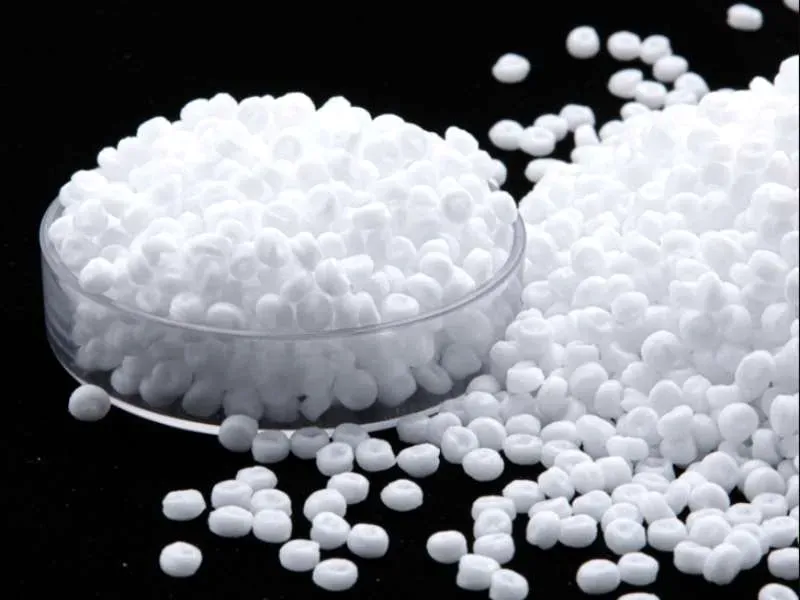
Medical Silicone
A technical deep-dive into Acrylonitrile Butadiene Styrene (ABS), detailing its mechanical properties, shrinkage behavior, and suitability for high-precision insert molding and CNC turning.
Learn More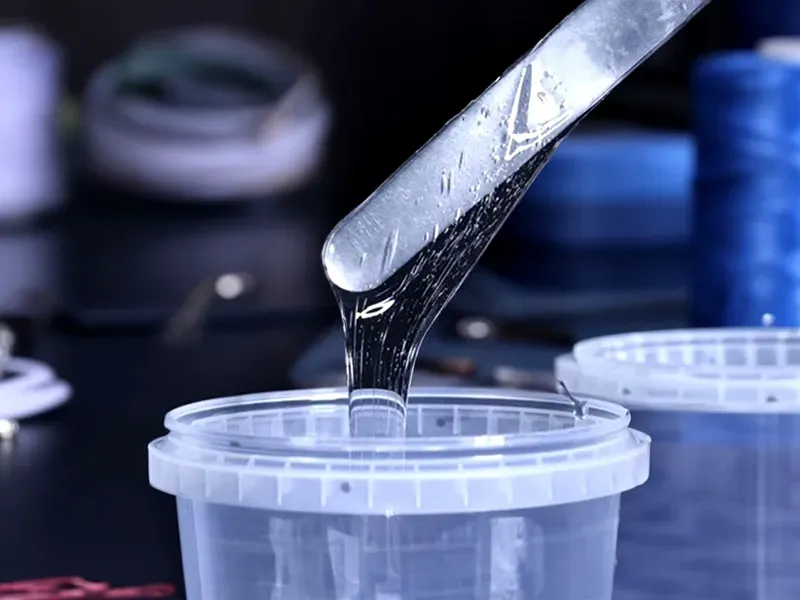
Liquid Silicone Rubber (LSR)
Precision LSR molding for medical and automotive seals. IATF 16949 certified platinum-cure processing ensures zero-defect, high-performance elastomeric parts with superior thermal stability.
Learn MoreRequest DFM EvaluationAccess Full Material Data SheetsTECHNICAL REFERENCEFrequently Asked Questions
Answers to common questions regarding precision, tooling, materials, and our integrated molding capabilities.We utilize precision thermal management and substrate pre-heating protocols to maximize molecular entanglement at the interface. This creates a permanent, high-strength bond between the TPU elastomer and rigid substrates like PC or Nylon without needing mechanical interlocks.
Our facility employs closed-loop desiccant drying systems that maintain a dew point of -40°C. We monitor moisture levels to ensure they remain below 0.02% throughout the injection cycle, preventing the hydrolytic degradation that often leads to brittle parts.
Yes. By strictly controlling the melt temperature and utilizing highly polished S136 stainless steel molds, we eliminate surface micro-turbulences. This ensures optical clarity and a high-gloss finish for clear medical tubing connectors and protective device shields.
Our manufacturing capabilities cover the full spectrum of TPU grades, ranging from soft 60 Shore A elastomers for ergonomic grips to rigid 80 Shore D engineering grades for high-impact structural industrial components.
We implement scientific molding techniques and real-time cavity pressure sensing to compensate for TPU’s inherent shrinkage. This allows us to maintain repeatable dimensional accuracy, ensuring flexible gaskets and seals fit perfectly within rigid hardware assemblies.
Yes. To ensure a seamless aesthetic without damaging the soft-touch surface, we utilize cryogenic deflashing. This process embrittles the thin flash for precise removal while maintaining the integrity and precision of the primary molded component.
We offer a range of high-purity, biocompatible TPU grades that are fully compliant with USP Class VI and ISO 10993 standards, making them suitable for long-term skin contact and specialized medical fluid management applications.
We utilize high-precision CNC-machined molds with optimized venting depths of 0.015 mm. Combined with decoupled molding strategies, we precisely manage the transition from injection to pack pressure, effectively eliminating flash even in low-viscosity grades.

Still have questions?
Our engineering team loves solving complex problems. Chat with us or send your drawing for a review.
Request DFM EvaluationReady to Manufacture With One Accountable Factory?
From in-house tooling to high-volume production — stamping, molding, plating and assembly under one IATF 16949 roof. Send your spec and volume, get a quote within 24 hours.