
Flash-Free Connector & Terminal Housings Complex Component Integration
We engineer flash-free connector and terminal housings for critical EV and telecom applications by leveraging high-precision mold tooling and advanced polymer injection techniques, seamlessly combining intricate metal stamping with rigid plastic molding to ensure superior dielectric strength and fl…
We engineer flash-free connector and terminal housings for critical EV and telecom applications by leveraging high-precision mold tooling and advanced polymer injection techniques, seamlessly combining intricate metal stamping with rigid plastic molding to ensure superior dielectric strength and flawless terminal retention. Produced within our IATF 16949 certified facility, our integrated manufacturing approach guarantees absolute dimensional stability that withstands millions of mating cycles across demanding high-voltage and communication networks.
Request DFM EvaluationPrecision-Molded Connector & Terminal Housings
Explore our portfolio of precision-molded and stamped connector and terminal housings. From high-dielectric telecom enclosures that demand zero-flash tolerances and superior signal integrity, to rugged EV terminal blocks engineered for high-voltage, harsh environmental exposure. Kravzik leverages integrated injection molding and metal stamping capabilities to deliver exact-tolerance solutions that meet stringent Tier-1 and OEM standards.
Automotive EV & E-Mobility
Engineered for high-voltage architectures and harsh under-hood environments, these structural housings integrate intricate stamped terminals with flame-retardant polymers, ensuring absolute dielectric integrity and zero-defect mating cycles for electric vehicle power systems.
Typical Parts:
High-Voltage Connectors, Battery Terminal Housings, Charging Plug Enclosures, Inverter Connectors, ECU Housings, Sensor Connectors, Wire Harness Plugs, Relay Housings, Fuse Block Enclosures, Motor Stator Connectors, Busbar Insulators, Contactor Housings
Telecommunications
High-fidelity optical and RF enclosures utilizing advanced low-dielectric resins to ensure signal integrity, absolute EMI/RFI shielding compatibility, and long-term dimensional stability under continuous thermal stress in high-density 5G infrastructure.
Typical Parts:
Fiber Optic Connectors, RF Coaxial Housings, Base Station Connectors, Patch Panel Enclosures, Transceiver Housings, Splice Enclosures, Antenna Connectors, Ethernet Jack Housings, Backplane Connectors, Micro-D Shells, Router Terminal Blocks, Switch Housings
Aerospace & Aviation
High-strength structural polymer enclosures designed to withstand extreme altitude, severe temperature fluctuations, and high-vibration environments, meeting stringent aerospace safety and outgassing standards while significantly reducing overall aircraft weight.
Typical Parts:
Avionics Connectors, Mil-Spec Circular Plugs, Radar Sensor Housings, Cabin Wiring Connectors, Navigation System Enclosures, Bulkhead Receptacles, Actuator Connectors, Flight Control Housings, Telemetry Connectors, Power Distribution Shells, Antenna Housings, Cockpit Interface Plugs
Medical & Healthcare
Precision-molded biocompatible enclosures utilizing sterilizable, chemical-resistant thermoplastics to ensure faultless electrical connections, strict fluid ingress protection, and absolute reliability in critical diagnostic and patient monitoring equipment.
Typical Parts:
Ultrasound Probe Plugs, ECG Connector Housings, Imaging System Enclosures, Defibrillator Connectors, Monitor Interface Shells, Surgical Tool Connectors, Catheter Cable Housings, MRI Sensor Plugs, Endoscopy Connectors, Ventilator Wiring Shells, Pacemaker Lead Receptacles, Dialysis Machine Connectors
Energy & Power
Ruggedized, weather-resistant structures manufactured from impact-modified, flame-retardant polymers, offering exceptional arc resistance, UV stability, and optimal structural dielectric support for renewable grid and heavy power distribution infrastructure.
Typical Parts:
Solar Panel Connectors, Wind Turbine Receptacles, Smart Grid Housings, Inverter Terminal Blocks, Battery Storage Connectors, Switchgear Enclosures, Power Distribution Blocks, Transformer Connectors, Substation Wiring Shells, Microgrid Connectors, Meter Interface Housings, Circuit Breaker Enclosures
Industrial & Machinery
Heavy-duty, chemical-resistant engineering thermoplastics designed to withstand extreme factory floor contaminants, mechanical shock, and continuous thermal cycling, ensuring uninterrupted power and logic transmission in automated manufacturing systems.
Typical Parts:
PLC Interface Connectors, Servo Motor Plugs, Robotic Arm Receptacles, Sensor Wiring Housings, Proximity Switch Enclosures, Conveyor Control Connectors, Machine Vision Housings, CNC Interface Shells, Pneumatic Valve Connectors, Actuator Wiring Blocks, Encoder Housings, Limit Switch Enclosures
For requirements beyond our standard catalog, we provide custom injection mold tool engineering for complex polymer profiles, ranging from ultra-precision thin-wall microelectronic housings to structural engineering enclosures. Submit your dimensional schematics for an initial dfm evaluation to align your technical requirements with our manufacturing capabilities and receive a production-ready quote.
Request DFM EvaluationAccess Industry DatabaseCRITICAL PRODUCTION RISKSCritical Risks in Connector & Terminal Housing Manufacturing
The production of high-voltage and high-frequency terminal housings is an unforgiving process where microscopic defects lead to catastrophic electrical failures. Minor deviations in mold precision or polymer rheology do not just cause mechanical assembly issues; they compromise the dielectric integrity and signal transmission of entire EV power architectures and telecom networks. Identifying these three critical “yield-killers” is essential for securing a reliable, zero-defect electronic component supply chain.
Risk #1: Micro-Flash & Terminal Mating Interference
High-cavitation molds for intricate connector housings are highly susceptible to micro-flash (burrs) along parting lines and core pins. Inadequate clamping force, slight mold tooling wear, or improper injection velocity allows low-viscosity resins to seep into microscopic gaps. In dense terminal blocks or multi-pin connectors, even a 0.02mm plastic flash can physically block pin insertion or create unintended pathways that lead to electrical arcing.
Consequence: Critical assembly line halts and high-voltage short circuits. Flash defects demand costly 100% manual inspection and sorting, often resulting in scrapped batches and compromised safety in end-user electrical systems.Risk #2: Dimensional Warpage & Terminal Push-Out Failure
Connector housings rely on exacting internal geometries to securely anchor intricate metal stamped terminals. Non-uniform cooling rates and residual stress during the injection molding process cause differential shrinkage and post-ejection warpage. If the terminal cavities lose dimensional stability, the metal pins will suffer from misalignment, insufficient retention force (push-out/pull-out failures), or complete failure to mate with corresponding male/female headers.
Consequence: Severe mating connectivity failures during final assembly. Mismatched dimensions force destructive physical stress on delicate PCB solder joints or wire harnesses, leading to intermittent signal loss and massive field failure liabilities.Risk #3: Internal Voids & Dielectric Breakdown
High-performance engineered resins (like LCP, PBT, or PPS) used in EV and telecom housings require precise melt temperature and injection pressure profiling. Improper gating or inadequate packing pressure leads to trapped gas and internal vacuum voids within the structural sections of the housing. These invisible internal defects drastically reduce the polymer’s dielectric strength and structural integrity, creating pathways for high-voltage tracking and thermal runaway under heavy electrical loads.
Consequence: Catastrophic high-voltage breakdown and thermal degradation. Internal voids often pass standard visual inspections but fail disastrously under hi-pot electrical load testing, resulting in dangerous product recalls and irreparable damage to Tier-1 standing.
Precision engineering requires more than machine capacity; it demands a technical partner capable of managing the complex manufacturing requirements. Our case studies demonstrate how we have solved critical manufacturing challenges across multiple OEM supply chains.
Tier 1 ManufacturingHigh-Fidelity Solutions for Connector & Terminal Housing Manufacturing
We eliminate the critical failure points of high-voltage and high-frequency connector manufacturing through advanced predictive engineering and integrated production. By synergizing precision metal stamping with zero-flash injection molding under strict IATF 16949 governance, Kravzik delivers absolute dimensional stability and dielectric integrity for your most demanding EV and telecom architectures.We eliminate the critical failure points of high-voltage and high-frequency connector manufacturing through advanced predictive engineering and integrated production. By synergizing precision metal stamping with zero-flash injection molding under strict IATF 16949 governance, Kravzik delivers absolute dimensional stability and dielectric integrity for your most demanding EV and telecom architectures.
Zero-Flash Micro-Precision Tooling
We eradicate mating interference and electrical arcing risks by utilizing ultra-precision mold fabrication. By maintaining strict parting line tolerances and optimizing clamp tonnage, we ensure perfectly sealed cavities for low-viscosity, high-performance resins, guaranteeing flash-free terminal blocks right out of the press.
±0.01mm Tooling Accuracy: Eliminates micro-burrs for flawless terminal pin insertion.Optimized Clamp Tonnage: Prevents resin bleed and ensures seamless connector mating.Dimensional Stability & Absolute Pin Retention
To prevent post-ejection warpage and guarantee secure terminal push-out resistance, we deploy advanced Moldflow® simulations during the DFM phase. By engineering conformal cooling channels and optimizing packing pressures, we neutralize residual stress, ensuring your housings maintain exacting geometries across millions of mating cycles.
Conformal Cooling: Rapid, uniform heat dissipation prevents housing deformation.Guaranteed Retention Force: Stable internal cavities ensure metal terminals lock flawlessly.Advanced Rheology & Dielectric Integrity
We safeguard the dielectric strength of your high-voltage EV and telecom housings by strictly controlling polymer melt states. Through dynamic injection profiling and specialized venting structures, we eliminate trapped gases and internal voids, ensuring high-grade engineering polymers deliver maximum arc resistance and thermal stability.
Void-Free Structural Integrity: Dynamic pressure profiling eliminates hidden vacuum defects.Maximum Arc Resistance: Optimized resin density prevents high-voltage breakdown and tracking.Vertically Integrated Stamping & Molding
Fragmented supply chains introduce critical tolerance stacking errors between metal pins and plastic housings. Kravzik provides a single-source solution by integrating in-house precision metal stamping with high-tolerance injection molding. This combined manufacturing synergy guarantees perfect terminal-to-housing fitment and accelerates your project launch.
Seamless Fitment: In-house control over both metal and plastic eliminates tolerance stacking.Accelerated Launch: Consolidated production and integrated DFM significantly reduce supply chain delays.
Engineered Polymers for Critical Terminal & Housing Assemblies
The dielectric integrity and mechanical reliability of high-voltage and high-frequency connectors depend entirely on precise resin selection. Kravzik processes a specialized matrix of advanced engineering thermoplastics engineered to withstand extreme thermal environments, harsh chemical exposure, and continuous electrical loads. From ultra-thin-wall polymers for micro-pitch telecom arrays to flame-retardant resins for aerospace avionics, we match the exact polymer grade to your application to guarantee absolute signal integrity and strict OEM compliance.
LCP (Liquid Crystal Polymer)
ULTRA-THIN WALL EXCELLENCELCP formulated for ultra-fine terminal pitches requiring near-zero mold shrinkage, 260°C reflow soldering stability, and flash-free precision insert molding with fragile terminals.
01. Thermal & UV ResistanceWithstands extreme reflow soldering temperatures (exceeding 260°C); highly resistant to thermal aging and inherently flame retardant without halogen additives.
02. Impact & Dimensional StabilityNear-zero mold shrinkage ensures exceptional dimensional stability for ultra-fine terminal pitches; highly rigid structure prevents pin misalignment.
03. Finishing CompatibilityExcellent for precision insert molding with fragile metal terminals; requires zero deflashing operations due to its pristine, flash-free melt flow characteristics.
PBT + Glass Fiber (Polybutylene Terephthalate)
OPTIMAL DIELECTRIC STRENGTHGlass-filled PBT engineered for automotive under-hood enclosures requiring high dielectric strength, mechanical stiffness, and dimensional stability when exposed to aggressive automotive fluids.
01. Thermal & UV ResistanceHigh continuous-use temperature threshold; highly resistant to degradation from aggressive automotive fluids, oils, and under-hood environmental exposure.
02. Impact & Dimensional StabilityGlass-filled variants offer exceptional stiffness and low moisture absorption, preventing dimensional swelling and ensuring consistent mating forces.
03. Finishing CompatibilityHighly compatible with ultrasonic welding for sealed enclosures; readily accepts high-contrast laser marking for crucial lot traceability and part identification.
PPS (Polyphenylene Sulfide)
EXTREME CHEMICAL RESISTANCEPPS resin utilized for high-current terminals and busbars requiring creep resistance, UL94 V-0 flame retardancy, and dimensional rigidity under continuous mechanical load.
01. Thermal & UV ResistanceOutstanding thermal stability with a Heat Deflection Temperature (HDT) > 260°C; inherently flame retardant (UL94 V-0) and highly resistant to tracking.
02. Impact & Dimensional StabilityExceptional creep resistance and dimensional rigidity under continuous mechanical load, ensuring heavy busbars and high-current terminals remain securely anchored.
03. Finishing CompatibilityPerfect for complex overmolding and insert molding of intricate stamped lead frames; generates minimal flash, reducing secondary processing requirements.
PEI (Polyetherimide - Ultem™)
AEROSPACE FLAME COMPLIANCEPEI resin engineered for large-format aviation connectors requiring high strength-to-weight ratios, predictable isotropic shrinkage, and chemical resistance to aerospace lubricants.
01. Thermal & UV ResistanceMaintains stable electrical properties across severe temperature fluctuations; offers superior resistance to UV, gamma radiation, and aerospace lubricants.
02. Impact & Dimensional StabilityExcellent strength-to-weight ratio and highly predictable isotropic mold shrinkage, ideal for manufacturing precise, large-format bulkhead aviation connectors.
03. Finishing CompatibilityHighly receptive to specialized conductive metallic plating for EMI/RFI shielding; provides excellent surface adhesion for environmental potting and sealing resins.
PA66 + Glass Fiber (Nylon 66)
STRUCTURAL TOUGHNESSGlass-fiber reinforced PA66 designed for engine bay components requiring fatigue resistance, structural toughness, and high-strength integrity for vibration-welded assembly applications.
01. Thermal & UV ResistanceHeat-stabilized grades easily withstand continuous engine bay environments; highly UV-stabilized variants available for long-term outdoor grid infrastructure.
02. Impact & Dimensional StabilityDelivers outstanding fatigue resistance and structural toughness; engineered to maintain strict "Gap & Flush" fitment despite the polymer's natural moisture absorption characteristics.
03. Finishing CompatibilityProvides an excellent structural base for high-strength vibration-welded assemblies; readily accepts permanent color-coding compounds for complex wiring identification.
PEEK (Polyether Ether Ketone)
MISSION-CRITICAL RELIABILITYPEEK polymer formulated for mission-critical components requiring continuous 250°C thermal stability, wear resistance, and compatibility with repeated medical autoclave sterilization cycles.
01. Thermal & UV ResistanceOperates continuously at 250°C and beyond; practically immune to thermal degradation, aggressive harsh chemicals, and intense sterilization environments.
02. Impact & Dimensional StabilityDelivers ultimate dimensional stability and wear resistance; maintains micrometer-level tolerances even under immense physical pressure and structural heat loads.
03. Finishing CompatibilityFully compatible with rigorous medical autoclave sterilization processes; can be precisely CNC-machined post-molding for highly customized, ultra-low volume connector variants.
Industries Served
Access expert technical guidance to optimize your component designs and resolve manufacturing challenges. Our engineering resources cover critical material selection, tolerance control, and failure prevention to ensure reliable performance in your specific application — backed by documented case studies.
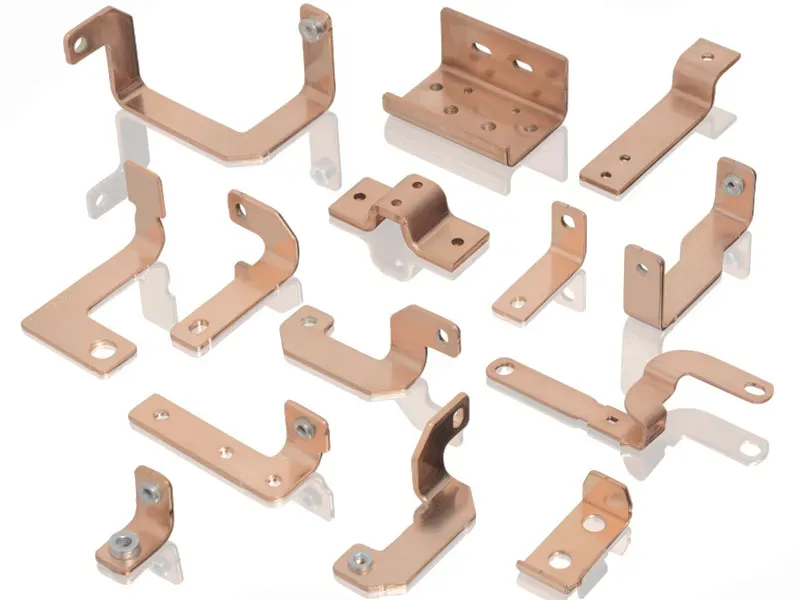
EV Metal Stampings
Learn MorePlastic-Metal Stampings
Learn More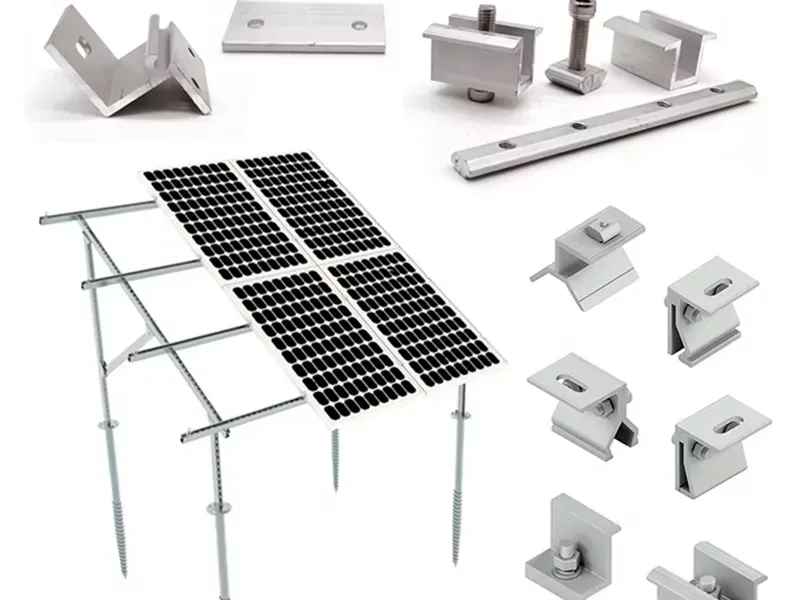
Solar
Learn More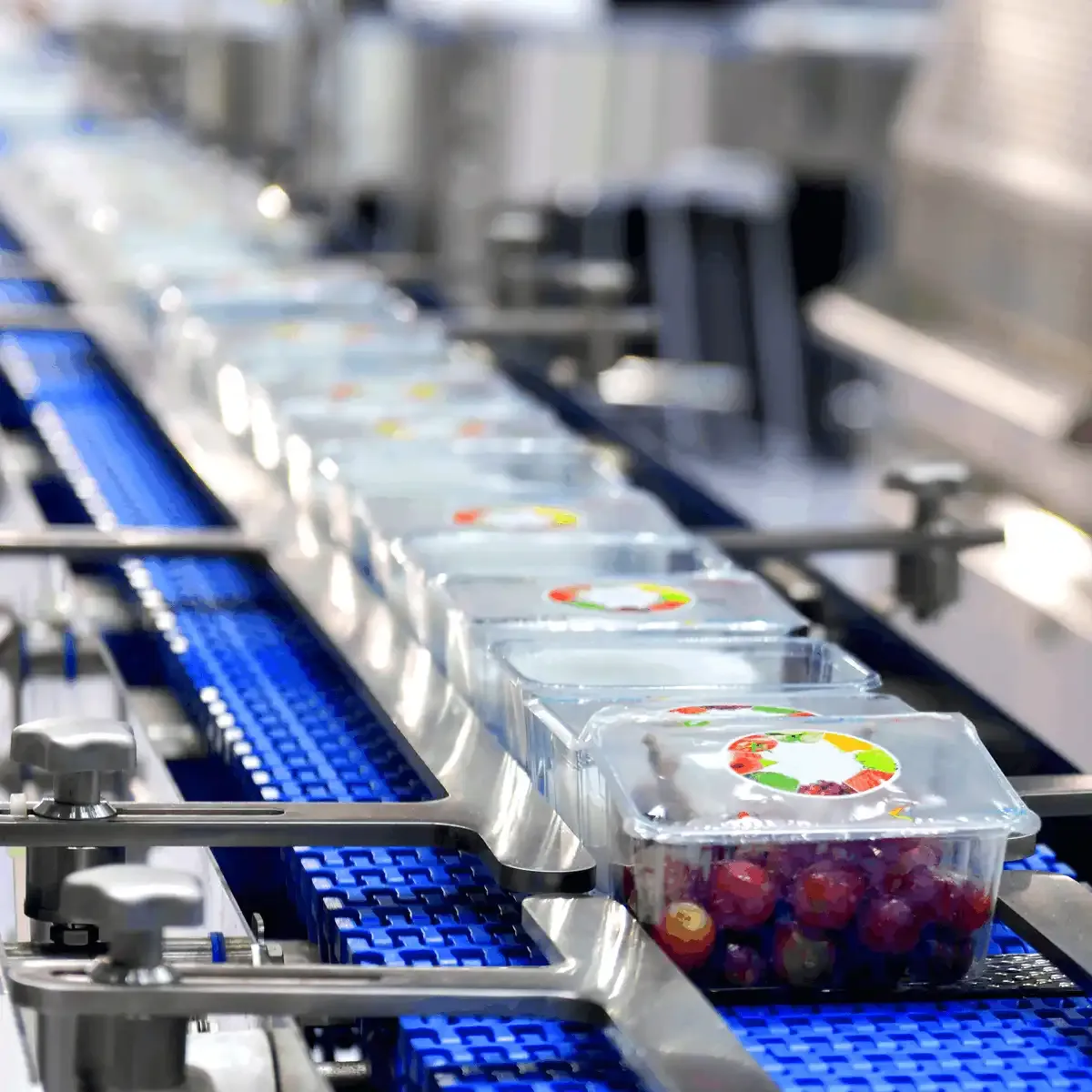
Logistics
Learn More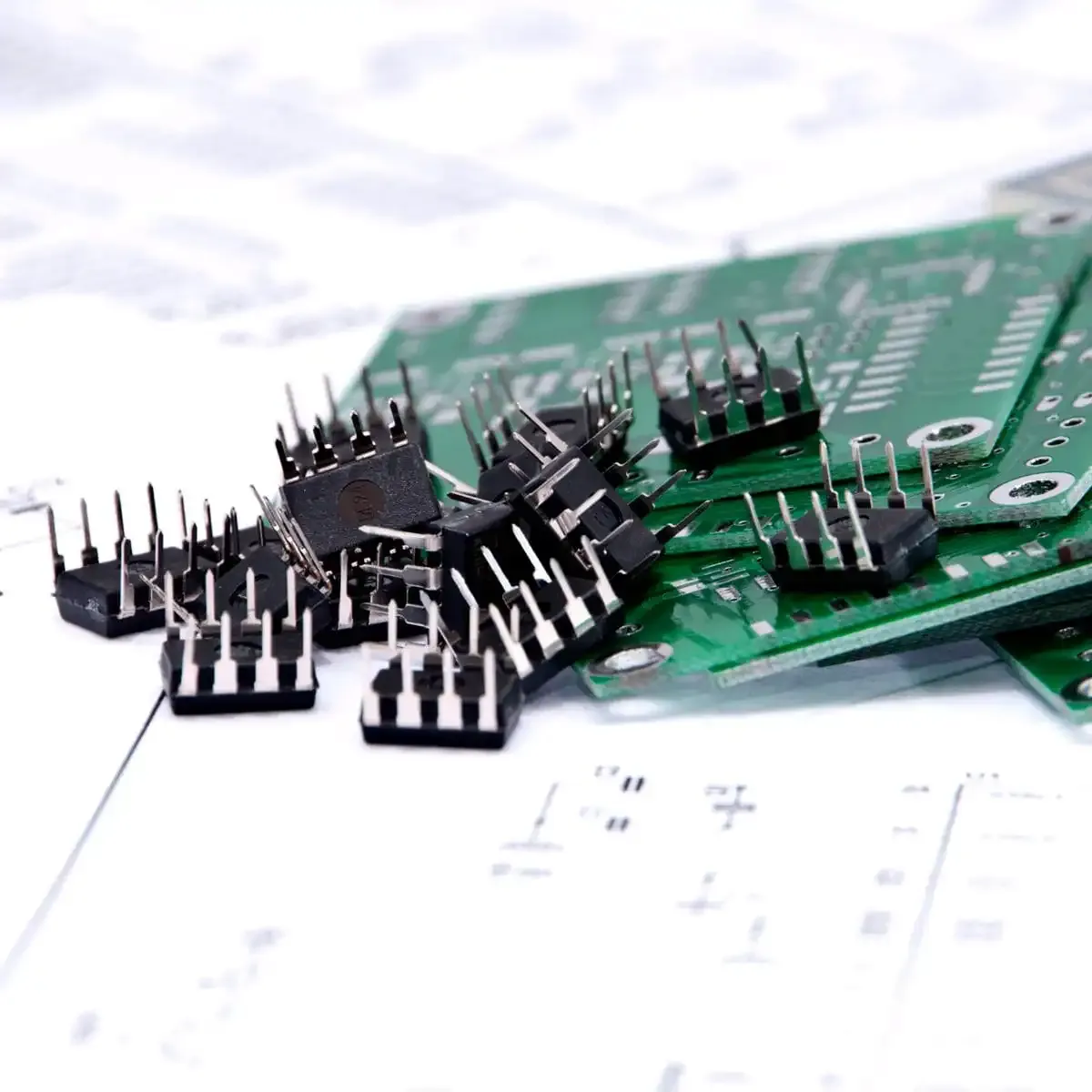
Semiconductors
Learn More
Medical
Learn More
Consumer Electronics
Learn More
Aerospace
Learn More
Energy
Learn More
Defense
Learn More- MANUFACTURING CAPABILITIES
Injection Tooling & Molding
High-precision injection molding services engineered for strict ±0.02mm tolerances and high-volume reliability. By integrating in-house Class 101 mold design and making with advanced overmolding and custom insert molding, we manage your project seamlessly from tool blueprint to finished component. Our IATF 16949-compliant manufacturing processes eliminate secondary assembly risks, embedding metal hardware directly into advanced polymer matrices while guaranteeing up to 1,000,000 flawless production cycles for mission-critical industrial applications.
Learn More - MANUFACTURING CAPABILITIES
Multi-Material Injection Molding
Mastering the full spectrum from ultra-flexible industrial elastomers to high-rigidity engineering thermoplastics, our injection molding services deliver uncompromising precision for complex geometries. We integrate advanced polymer science with Class 101 tooling to expertly process challenging resins—including PEEK, LCP, TPU, and Medical-Grade Silicone. Whether your project demands extreme high-temperature resistance, biocompatibility, or dynamic flexibility, our cross-material processing capabilities ensure absolute structural integrity and micron-level dimensional stability for mission-critical components.
Learn More - MANUFACTURING CAPABILITIES
Custom Plastic & Insert Molded Components
Engineered for extreme dimensional stability and complex functional integration. Moving far beyond commodity plastics, we specialize in manufacturing high-precision engineered components—from custom EV connectors and fluid handling systems to ultra-precise mechanical gears and optical lenses. Powered by our elite in-house tooling and machining infrastructure, we execute flawless pure-plastic injection and highly complex metal-to-plastic insert molding. By controlling the entire ecosystem—from raw high-performance polymer and alloy sourcing to final QA—we deliver rigorous tolerances for mission-critical automotive, medical, and industrial applications, scaling seamlessly from agile prototypes to high-volume automated runs.
Learn More
Engineering Solutions & Design Insights
Access expert technical guidance to optimize your component designs and resolve manufacturing challenges. Our engineering resources cover critical material selection, tolerance control, and failure prevention to ensure reliable performance in your specific application.
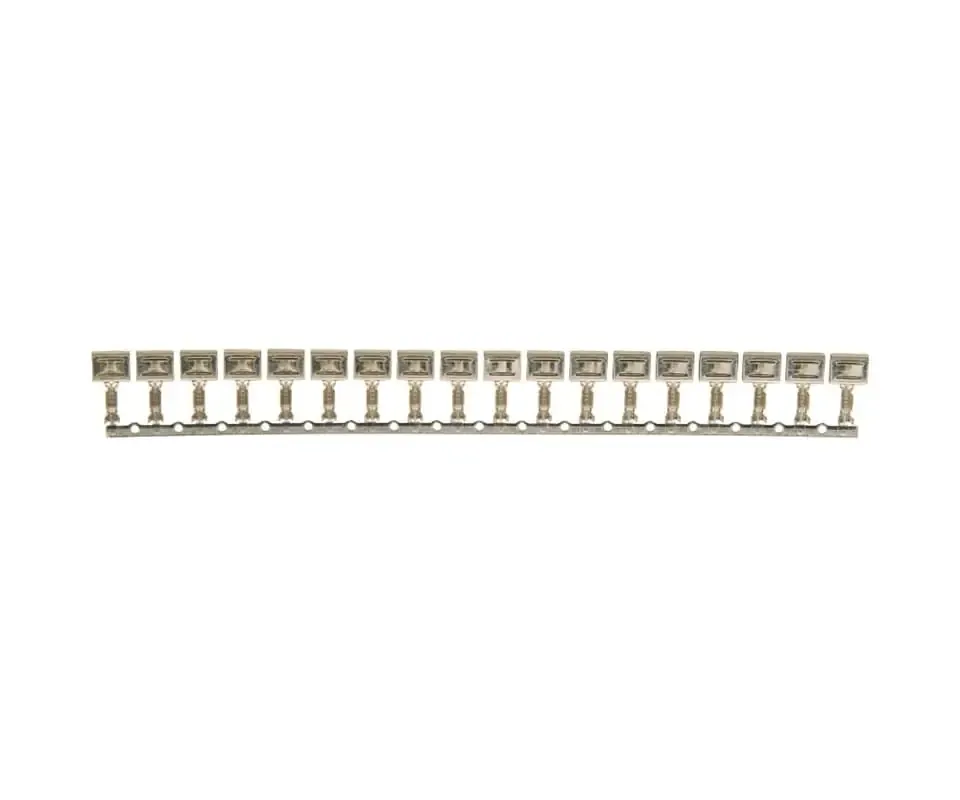
Before Plating Batch: Stamped Electrical Terminals Finish Audit Checklist
A supplier who plates your terminals but skips the JESD201 post-plating anneal will pass the incoming dimensional check. You discover tin whiskers only after field returns arrive. This checklist audits plating specification, pre-treatment protocols, and post-plating verification. Go through every item.
Learn More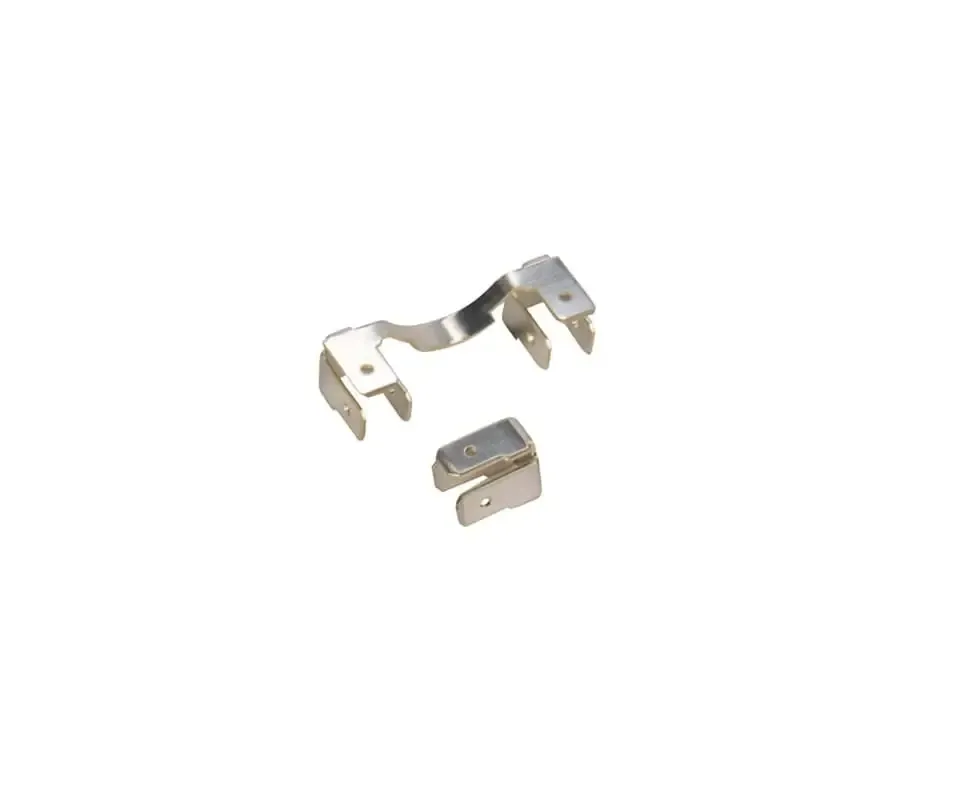
Before PPAP Submission: Stamped Electrical Terminals Compliance Audit Checklist
A PPAP package submitted with a compliance letter but without the Cpk capability study will pass the document checklist and fail the customer SQE review. This checklist audits dimensional capability data, material cert traceability, and testing standards documentation before the submission package leaves your supplier. Go through every document.
Learn More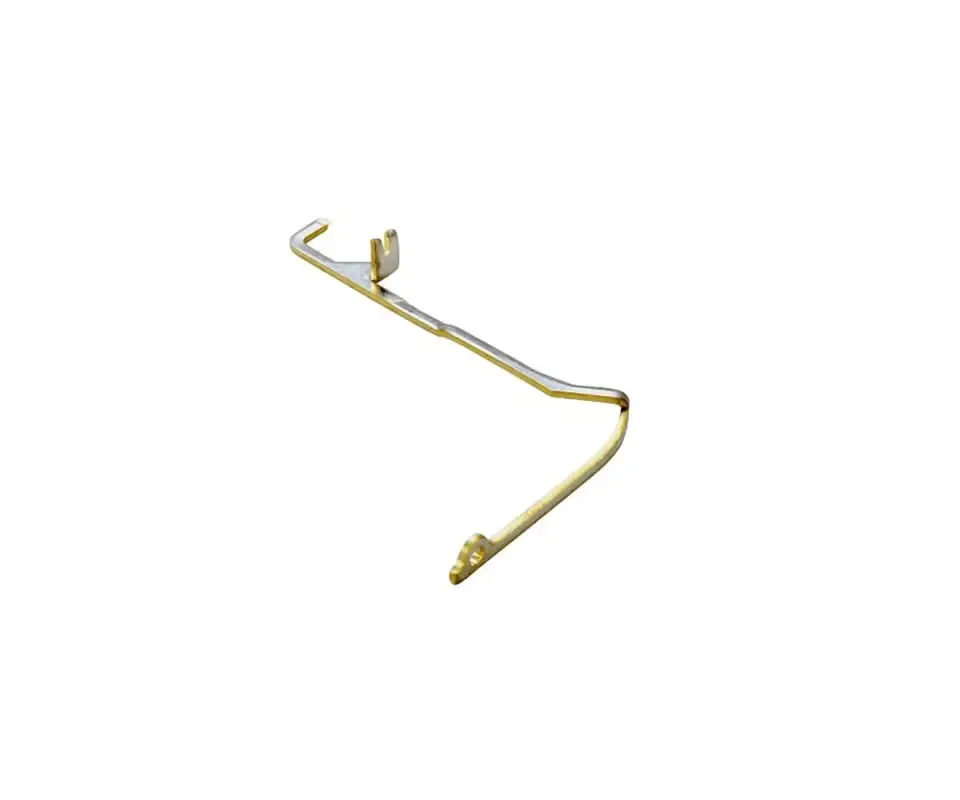
Before Die Design: Stamped Electrical Terminals DFM Readiness Checklist
A terminal drawing that passes CAD review but lacks springback compensation data will drift out of tolerance by stroke 50,000. Your supplier catches it only at first-article rejection. This checklist audits flat blank layout, bend radii, and material grain alignment before die steel is cut. Go through every item.
Learn More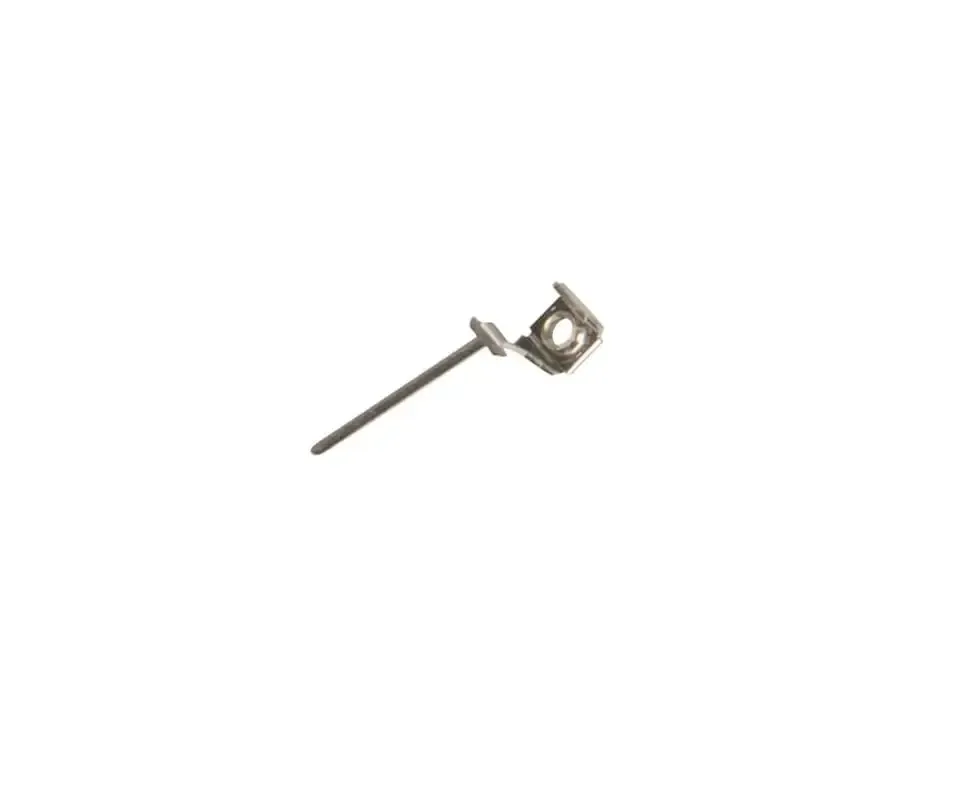
Before Tooling Cut: Stamped Electrical Terminals Supplier Audit Checklist
A missed JESD201 anneal on your terminal lot triggers PPAP rejection, and you catch it only at the compliance audit. This checklist verifies DFM sign-off, material certs, and compliance docs before tooling cut. Go through the full audit.
Learn More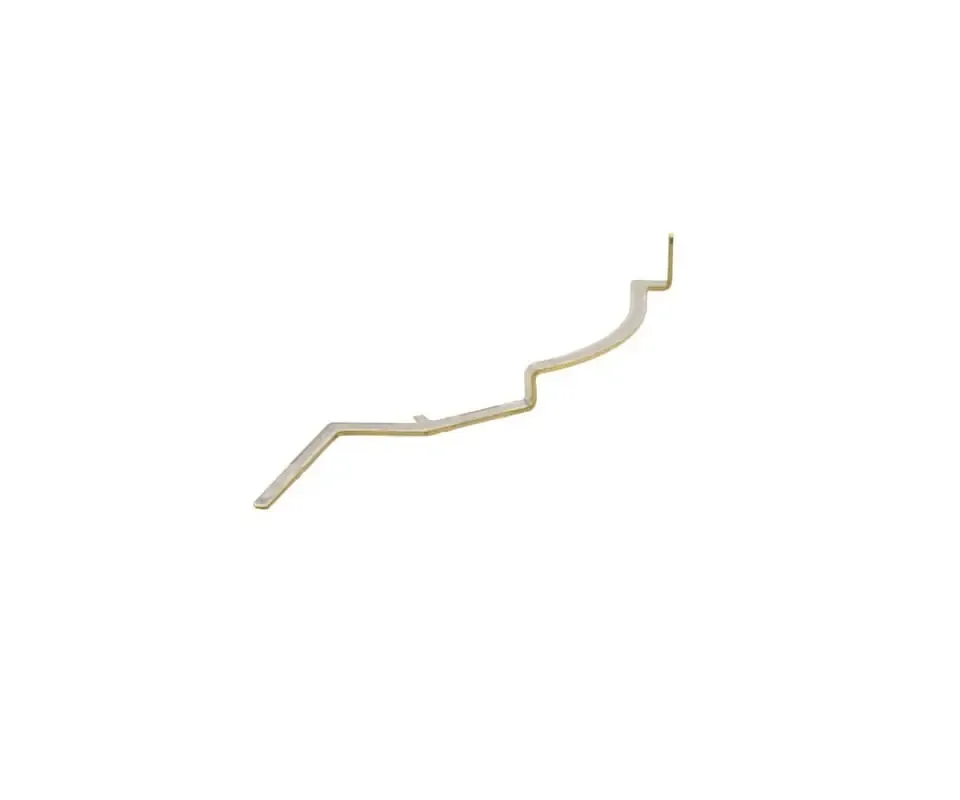
Production-Scale Consistency: Appliances Stamped Electrical Terminals Engineering Guide
A washing machine control board terminal passing factory testing fails after 2,000 cycles when the crimp joint relaxes. In this guide, you will learn cost-optimized material selection and UL 60335 compliance. Read the full guide.
Learn More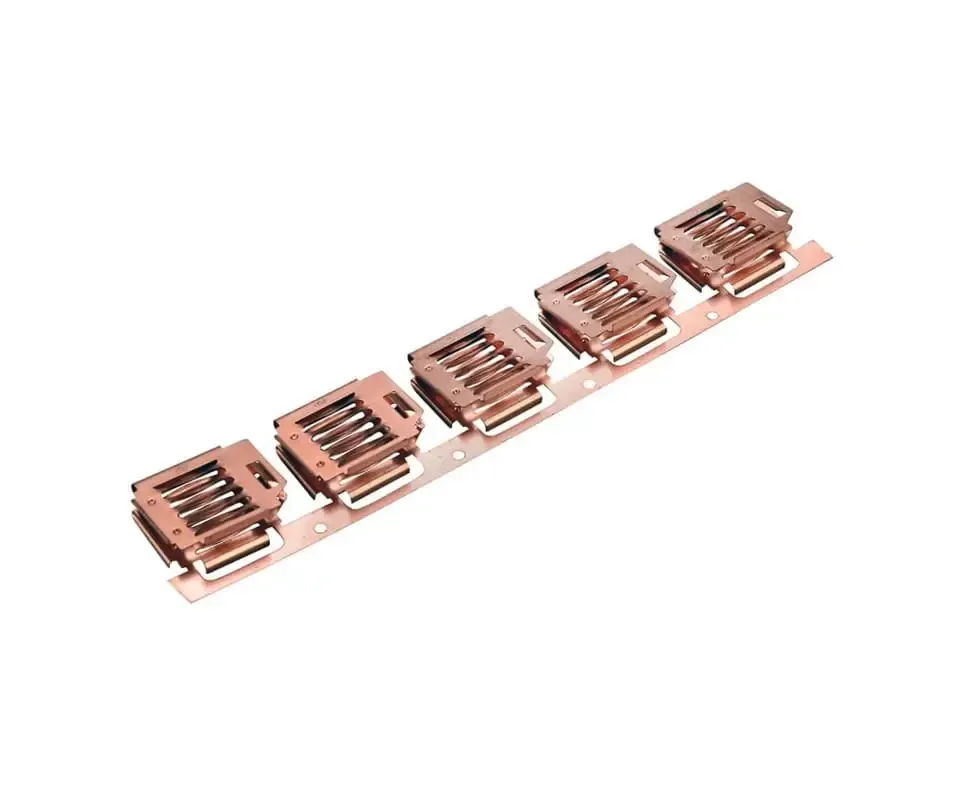
USCAR-Validated: Automotive Stamped Electrical Terminals Engineering Guide
An ECU stamped terminal passing testing at 25°C fails after 1,000 thermal shock cycles from -40°C to +125°C. In this guide, you will learn USCAR-2 contact stability and IATF 16949 PPAP. Read the full guide.
Learn MoreSERVICES LIBRARYExplore Other Plastic Parts Available
Lenses & Optical Components
Eliminate optical distortion and surface defects. Kravzik uses Class 100K cleanrooms and variothermal molding to guarantee 92% light transmittance.
Learn MoreEnclosures & Housings
Eliminate critical IP67 seal failures caused by dimensional warpage. Our predictive injection molding guarantees perfect gasket compression.
Learn MoreHandles, Grips & Knobs
Stop grip delamination and tactile irritations. Our zero-flash overmolding improves haptic comfort while reducing assembly-line rejection rates by 30%.
Learn MoreStructural Brackets & Chassis
Eliminate structural warpage by 45% instantly. We engineer high-strength polymer brackets using IATF-certified scientific molding for fail-safe industrial assembly.
Learn MoreRequest DFM EvaluationView Plastic Parts CenterTECHNICAL REFERENCEFrequently Asked Questions
Answers to common questions regarding precision, tooling, materials, and our integrated molding capabilities.We eliminate tolerance stacking by vertically integrating precision metal stamping and injection molding under one roof at Kravzik. This single-source manufacturing approach guarantees seamless fitment between metal pins and plastic cavities, optimal retention force, and accelerated production lead times.
We utilize advanced Moldflow simulations and dynamic injection pressure profiling to completely eliminate trapped gas and vacuum voids. This guarantees the absolute structural and dielectric integrity required to prevent high-voltage breakdown and thermal runaway in critical EV architectures.
Yes. By maintaining strict ±0.01mm mold tooling accuracy and optimizing precise clamp tonnage, we prevent low-viscosity resins from bleeding into microscopic gaps. This ensures flawless pin insertion and eliminates the risk of electrical arcing in dense terminal arrays.
Our facility operates under rigorous IATF 16949 certification. We deploy automated in-line CCD vision systems and maintain full digital traceability with material certs and process logs for every batch, catching micron-level dimensional deviations before components are shipped.
Absolutely. We expertly process a specialized matrix of high-performance engineered thermoplastics, including LCP, PEEK, and PPS. This ensures your components can withstand extreme thermal reflow soldering, aggressive chemical exposure, and intense mechanical vibration without degrading.
We engineer custom conformal cooling channels during the initial DFM phase to ensure rapid and uniform heat dissipation throughout the mold. This neutralizes residual stress, preventing post-ejection warpage and guaranteeing long-term dimensional stability for secure terminal mating.
We specifically process advanced aerospace-grade polymers, such as PEI, that offer inherently low smoke toxicity and superior dielectric strength. These tailored material solutions meet strict aviation outgassing and flame-retardant requirements for critical flight control and avionic systems.
Our vertically integrated tooling and production facility significantly accelerates your time-to-market. By conducting concurrent DFM engineering for both the intricate metal stamping and plastic injection phases simultaneously, we reliably reduce standard project development lead times by up to 30 percent.

Still have questions?
Our engineering team loves solving complex problems. Chat with us or send your drawing for a review.
Request DFM EvaluationReady to Manufacture With One Accountable Factory?
From in-house tooling to high-volume production — stamping, molding, plating and assembly under one IATF 16949 roof. Send your spec and volume, get a quote within 24 hours.