
Sub-Micron Chrome Plating Precision Services
Overcoming critical chromium deposition challenges such as interfacial adhesion failure on complex geometries and high-current edge buildup, we engineer flawless wear resistance and dimensional stability across highly stressed substrates. By utilizing precision-controlled deposition rates and deplo…
Overcoming critical chromium deposition challenges such as interfacial adhesion failure on complex geometries and high-current edge buildup, we engineer flawless wear resistance and dimensional stability across highly stressed substrates. By utilizing precision-controlled deposition rates and deploying rigorous chemical pre-treatment protocols that optimize electrochemical bath dynamics and current densities, our workflows translate raw material limitations into low-friction, high-hardness surfaces. Backed by our rigorous IATF 16949-certified quality framework, we guarantee a highly uniform coating thickness distribution across all post-processing stages, thereby eliminating micro-structural stress concentrations and ensuring absolute performance reliability in mission-critical robotics and automation applications.
Superior Hardness: Exceptional wear and abrasion resistance.Flawless Adhesion: Advanced pre-treatment entirely prevents peeling.Even Distribution: Precise control over edge buildup.Friction Reduction: Smooth finishes for moving parts.Request DFM Evaluation
What is Chrome Plating & The Science Behind the Surface
Chrome plating is an advanced electrochemical process that deposits a distinctively hard, low-friction layer of chromium onto metal substrates. Unlike standard decorative finishes, hard chrome plating provides exceptional wear resistance, galling prevention, and precise dimensional restoration capabilities. This makes it an indispensable surface engineering solution for high-cycle robotics actuators, precision automation tooling, and critical medical device components that demand uncompromising durability and extended operational lifespans under extreme mechanical stress.
Pre-Treatment & Surface Activation
Raw metal components undergo meticulous degreasing and alkaline electro-cleaning to eradicate deep-seated manufacturing oils. This is immediately followed by a precision reverse-etching process that microscopically texturizes the substrate, creating an ultra-clean, activated surface absolutely essential for flawless chrome adhesion and the total prevention of future peeling or flaking under high-friction conditions.
Precision Electrodeposition
The prepared parts are submerged in a highly regulated chromium electrolyte bath. By applying a meticulously controlled, high-density direct electrical current, chromium ions are driven to bond directly with the metal substrate. Our automated lines strictly monitor bath temperature and current density to guarantee uniform hard chrome deposition, specifically minimizing unwanted edge buildup on complex stamped or molded geometries.
Hydrogen Embrittlement Relief Bake
To ensure absolute mechanical integrity, especially for high-strength steel components, the plated parts are immediately transferred to precision ovens for thermal baking. This critical step efficiently extracts trapped hydrogen gas introduced during the electroplating cycle, completely eliminating the risk of hydrogen embrittlement and preserving the core structural strength of the component.
Final Finishing & Quality Assurance
Every completed batch undergoes rigorous outbound inspection protocols. The plated surfaces are precision-polished or ground to meet exact micro-finish requirements for low-friction applications. Coating thickness, hardness, and uniformity are verified using advanced non-destructive testing, ensuring every component strictly adheres to your exact engineering specifications and performance criteria.
Engineered Chrome Plating Specifications & Capabilities
Kravzik enforces rigorous electrochemical process control to ensure consistent, highly repeatable hard chrome deposition. Our advanced plating capabilities are meticulously calibrated to meet the stringent dimensional tolerances, extreme wear resistance, and low-friction criteria demanded by precision metal stamping components, critical medical instruments, and high-cycle robotic automation systems.
Request DFM EvaluationPlating Classifications
Hard Chrome (Engineering Chrome) compliant with AMS-QQ-C-320 & MIL-STD-1501 standards.
Coating Thickness
Precision deposition ranging from 0.00005″ to 0.050″ (1.27 µm to 1.27 mm) tailored to specific application wear requirements.
Dimensional Tolerance Control
± 0.0002″ (5 µm) — ensuring flawless mechanical fit for precision-machined robotics and medical die assemblies.
Surface Hardness
68-72 Rockwell C (850-1050 HV) — drastically extending the operational lifespan and durability of moving mechanical joints.
Coefficient of Friction
Ultra-low friction coefficient (0.16 against steel) providing superior lubricity and anti-galling properties for high-speed automation actuators.
Maximum Processing Capacity
Accommodating complex custom stamped and molded geometries up to 1.5 meters in length and 500 kg in weight.
Compatible Material Substrates for Hard Chrome Plating
Hard chrome deposition is highly sensitive to the underlying metallurgy. To guarantee absolute coating adhesion and prevent catastrophic flaking in high-stress applications, our surface engineers tailor the electrochemical activation protocols to the exact chemical composition of your substrate. Whether processing hardened tool steels for injection molds or high-strength alloys for robotic actuators, we meticulously neutralize surface passivity and implement rigorous post-plating thermal treatments to deliver uncompromising wear resistance and structural integrity.
Tool & Die Steels (P20, H13, D2)
Essential for core injection mold cavities, metal stamping punches, and high-wear forming components. The complex alloy matrix of these steels requires our specialized anodic reverse-etching sequence. This meticulously strips passive oxide layers without inducing micropitting, guaranteeing the flawless chrome adhesion necessary to withstand abrasive plastic resins and extreme mechanical impact.
Medical-Grade & Austenitic Stainless Steels (304, 316, 420, 17-4 PH)
Frequently specified for critical medical device components, surgical instruments, and cleanroom automation shafts. The inherent chromium oxide passive layer presents severe bonding challenges. We implement a highly aggressive acidic activation protocol—utilizing a specialized Wood’s nickel strike—immediately prior to chrome deposition to forge an unbreakable metallurgical bond and eliminate delamination risks.
High-Strength Alloy Steels (4140, 4340)
Heavily utilized for high-load robotics actuators, transmission shafts, and load-bearing automation linkages. Because high-tensile alloys are exceptionally vulnerable to hydrogen embrittlement during the plating cycle, we enforce strict, time-critical post-plate thermal baking protocols. Parts are transferred to precision ovens immediately after plating to thoroughly outgas entrapped hydrogen, fully preserving the component’s fatigue strength.
Low-Carbon & Machined Mild Steels (1018, SPCC)
Ideal for custom CNC-machined automation joints, structural chassis, and durable hydraulic cylinder rods. To combat deep-seated carbon smuts and mill scale, our advanced pre-treatment lines deploy heavy-duty alkaline electro-cleaning and precision acid pickling. This creates an ultra-clean, activated substrate that allows for dense, uniform hard chrome deposition with exceptional dimensional stability.
Essential Design Guidelines & Process Limitations
Proactive design optimization prevents manufacturing delays and ensures your precision components achieve exact engineering specifications after hard chrome deposition. Consider these critical geometric, electrical, and dimensional factors before finalizing your CAD models to maximize the performance and cost-efficiency of the chrome plating process.
Hard chrome electroplating is highly susceptible to current density concentration at sharp corners, leading to excessive coating build-up (often called “dog-boning”) or brittle nodule formation. Kravzik engineers strongly recommend designing parts with generous radii (minimum 0.015” or 0.38mm) and chamfered edges rather than sharp 90-degree angles to ensure uniform chrome distribution and minimize the need for heavy post-plate grinding.
The chromium electrolyte bath inherently possesses low “throwing power,” meaning it naturally struggles to deposit material into deep recesses, blind holes, and narrow inner diameters (IDs). For critical internal wear surfaces, our facility must engineer and deploy custom auxiliary internal anodes to force the electrical current inside the cavity. Always clearly specify which internal geometries require plating on your technical drawings so we can tool the racks accordingly.
Because engineered hard chrome is utilized for extreme wear resistance, it is frequently deposited thicker than the final requirement and subsequently precision-ground to exact tolerances. You must calculate precise pre-plate dimensional allowances. Machine your raw components undersized by the specific thickness of the intended chrome layer, explicitly factoring in the necessary material removal allowance for final cylindrical or centerless grinding operations.
If your component requires hard chrome exclusively on specific high-wear surfaces while leaving critical threads, keyways, or weldments bare, selective masking is highly viable. We utilize specialized heavy-duty tapes, stop-off lacquers, and custom mechanical fixtures. However, to ensure clean plating lines, avoid designing masking boundaries directly on complex geometric transitions or tight internal corners, which can compromise the masking seal and lead to plating bleed-over.
VISUAL EXCELLENCEData-Driven Showcase: Engineered Chrome Finishes
The final functional performance and surface topography of a chrome-plated component are dictated by specific deposition parameters, bath chemistry, and pre-finishing techniques. Explore our specialized chrome profiles to identify the precise tribological specifications, wear resistance levels, and visual finish required for your exact robotic or medical assembly.
INDUSTRIAL WEAR RESISTANCEPrecision Hard Chrome
Extreme HardnessLow FrictionAnti-GallingHigh LoadThe definitive standard for heavy-duty surface engineering. We deposit a thick, macro-crack network layer of chromium directly onto the substrate, which can be followed by precision grinding to meet tight tolerances. This robust finish provides an incredibly hard, low-friction barrier against severe sliding abrasion, galling, and mechanical impact.
Coating Thickness0.0005" - 0.050" (13 - 1270 µm)Surface Hardness68 - 72 HRC (850 - 1050 HV)Coefficient of Friction0.16 (Static against steel)Primary BenefitMaximum abrasion resistance and precise dimensional restoration for high-stress moving parts.Ideal For:Robotic actuator rods, stamping die punches, load-bearing automation shafts.HIGH-PRECISION DEPOSITIONThin Dense Chrome (TDC)
Tight TolerancesNo GrindingCorrosion DefenseUniform CoverageUtilizing a highly regulated electrolyte bath, TDC delivers an ultra-thin, completely uniform micro-nodular structure that precisely follows complex part contours without problematic edge build-up (dog-boning). This advanced process eliminates the need for post-plate grinding, making it the superior choice for intricate components where standard hard chrome would compromise tight engineering tolerances.
Coating Thickness0.0001" - 0.0005" (2.5 - 13 µm)Surface Hardness70 - 74 HRC (1000 - 1150 HV)Dimensional ImpactAbsolutely minimal (Retains exact pre-plate geometry)Primary BenefitExceptional wear and corrosion protection without altering critical machined dimensions.Ideal ForMedical diagnostic gears, precision linear guides, micro-automation linkages.NON-REFLECTIVE PERFORMANCESatin & Matte Chrome
Glare ReductionTactile GripEasy CleaningMedical GradeAchieved through highly controlled pre-plate abrasive blasting (vapor honing or bead blasting) combined with specific deposition rates, this finish diffuses light to create a non-reflective, soft-gray appearance while fully retaining the core hardness of chromium. It is engineered specifically for high-intensity lighting environments to prevent optical glare and provides a microscopic tactile texture for secure manual handling.
Surface Finish (Ra)Customizable based on media (Typically 32 - 63 µin)Optical PropertiesHigh light diffusion, strictly low reflectivitySterilization CompatibilityFully withstands repeated harsh autoclave cyclesPrimary BenefitEliminates critical visual glare while providing superior scratch resistance and clinical cleanability.Ideal ForSurgical forceps, operating room equipment chassis, optical sensor alignment rails. Request DFM EvaluationView Surface Treatment SolutionsSERVICES LIBRARYExplore Other Industrial Surface Treatment & Finishing Services Available
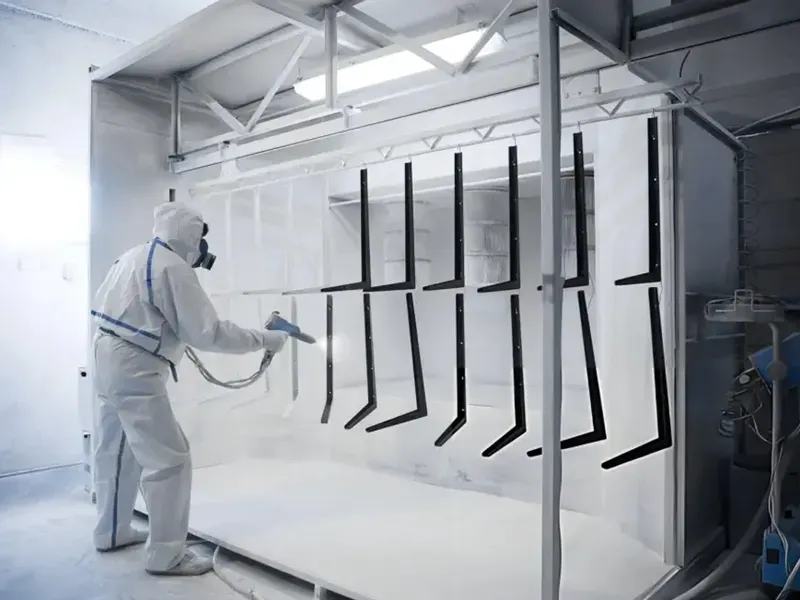
Powder Coating
Eliminate surface defects like orange peel on complex geometries. Our automated lines guarantee 1000h salt spray resistance for heavy-duty industrial components.
Learn More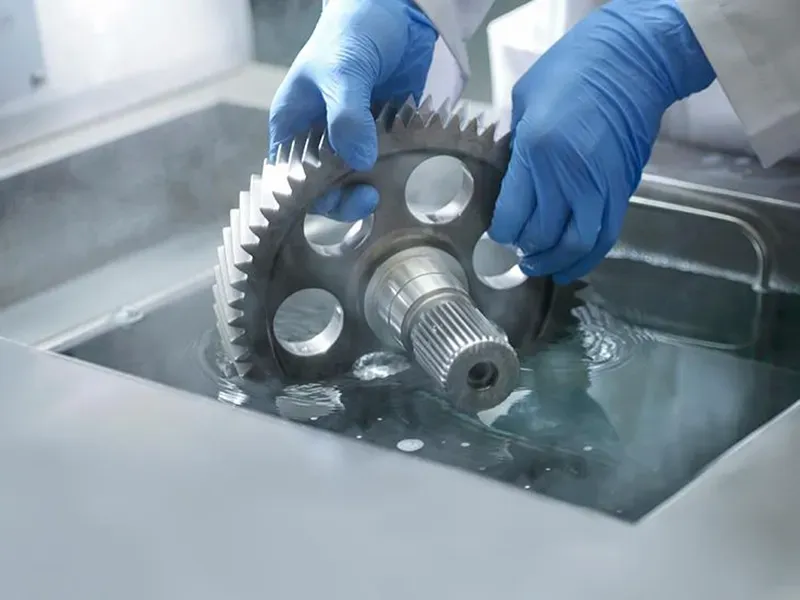
Degreasing
Eliminate microscopic contaminants that ruin precision plating. Achieve >40 dynes/cm surface energy for flawless secondary processing.
Learn More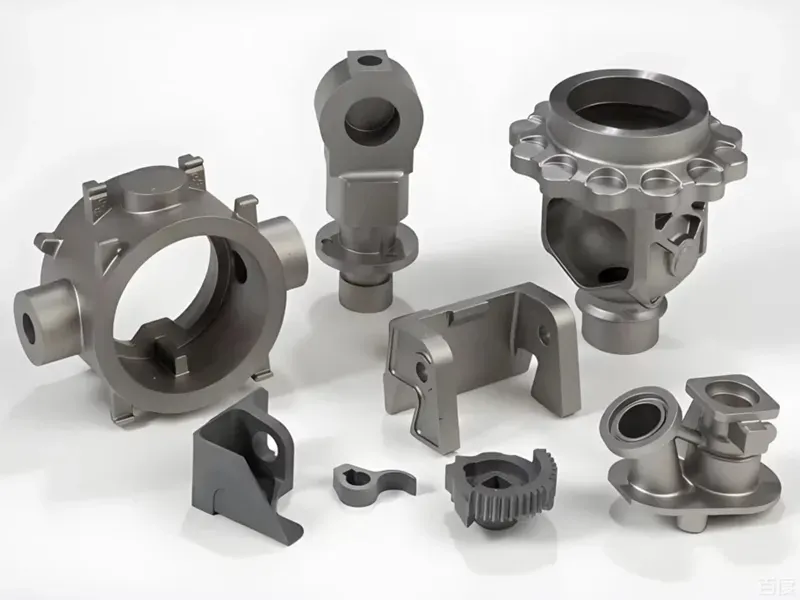
Nitriding
Forget brittle surfaces and dimensional warping. Kravzik delivers 1200 HV surface hardness while maintaining absolute ±5µm geometric precision.
Learn MoreRequest DFM EvaluationSee More Surface TreatmentTECHNICAL REFERENCEFrequently Asked Questions
Answers to common questions regarding precision, tooling, materials, and our integrated molding capabilities.We mandate strictly timed post-plating thermal relief baking for all high-tensile alloys. Parts are transferred to precision ovens immediately after the electroplating cycle to extract trapped atomic hydrogen, completely neutralizing embrittlement risks and preserving the core fatigue strength of your critical load-bearing components.
Standard hard chrome requires specific pre-plate allowances and post-plate grinding. However, for strict tolerances without grinding, we offer Thin Dense Chrome. This process deposits an ultra-uniform micro-nodular layer that precisely follows your exact machined contours with minimal dimensional impact, ideal for complex robotic linkages.
We combat the dog-boning effect through customized racking designs, precision auxiliary anodes, and highly regulated current density control. For optimal results, our engineering team advises incorporating generous radii and chamfers into your CAD models to ensure uniform chromium distribution across all geometric transitions.
Yes, our entire surface engineering facility operates strictly under IATF 16949-level quality management systems. We utilize advanced X-ray fluorescence technology for non-destructive thickness verification and strictly adhere to global RoHS compliance standards, ensuring absolute reliability for highly regulated clinical and automation applications.
Absolutely. We utilize specialized heavy-duty stop-off lacquers, high-temperature tapes, and custom-machined mechanical fixtures to accurately mask internal threads, keyways, and critical weldments. This ensures the hard chrome is deposited exclusively on your high-friction contact areas while maintaining clean, precise transition boundaries.
We precisely tailor our pre-treatment protocols to your exact metallurgical substrate. Whether deploying anodic reverse-etching for robust tool steels or acidic Wood’s nickel strikes for passive stainless alloys, we microscopically activate the surface to forge an unbreakable metallurgical bond capable of withstanding extreme abrasive cycles.
Our automated plating lines and heavy-duty hoist systems are engineered to accommodate complex custom stamped and injection molded components weighing up to 500 kg and measuring up to 1.5 meters in length, providing scalable solutions from specialized prototyping to continuous high-volume production runs.
We prioritize rapid, data-driven engineering support for our B2B partners. Submit your CAD models, required substrate materials, and desired chrome specifications, and our surface engineering team will provide a comprehensive Design for Manufacturability review alongside a detailed, NDA-protected quotation within 24 hours.

Still have questions?
Our engineering team loves solving complex problems. Chat with us or send your drawing for a review.
Request DFM EvaluationReady to Manufacture With One Accountable Factory?
From in-house tooling to high-volume production — stamping, molding, plating and assembly under one IATF 16949 roof. Send your spec and volume, get a quote within 24 hours.