
Overcoming CTE Mismatch: Engineering 800V Busbar Terminals for Commercial EVs
We engineered a heavy-duty insert molding process for 800V commercial EVs. Our structural design guarantees extreme thermal and mechanical resilience.
We engineered a heavy-duty insert molding process for 800V commercial EVs. Our structural design guarantees extreme thermal and mechanical resilience.

Contents
Image Gallery
(Click to view full image)
Project Overview
Client TypeLeading Heavy-Duty Commercial EV Manufacturer - Tier 1
Production Volume250,000+ units/year
Material UsedHigh-Purity C11000 Copper & PA6 GF30
8 weeks from DFM to SOP8 weeks from DFM to SOP
Project Background
Heavy-duty commercial electric vehicles face a brutal operational reality. Unlike standard passenger cars, electric trucks and buses rely on massive 800V architectures. They endure severe, constant road vibrations daily. If a terminal block fails in these extreme conditions, the vehicle does not just stall. It risks a catastrophic high-voltage arcing event that can destroy the entire electrical system.
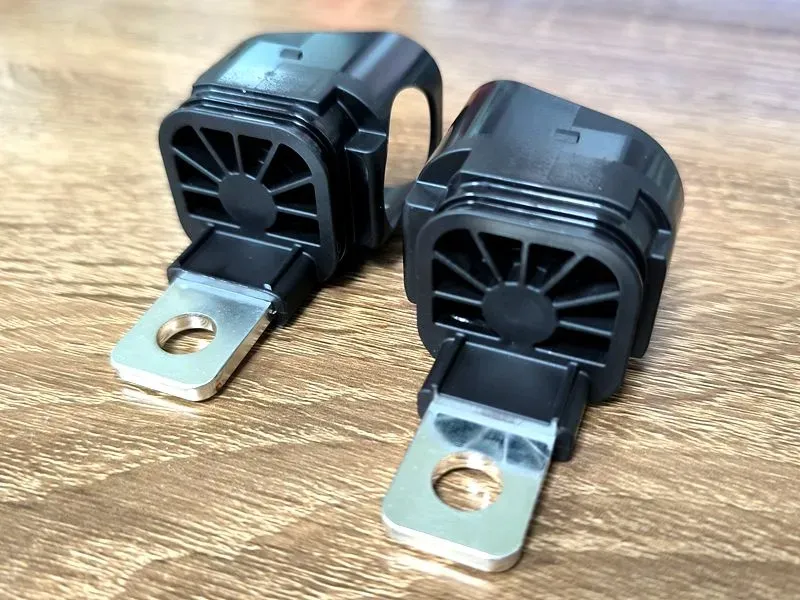
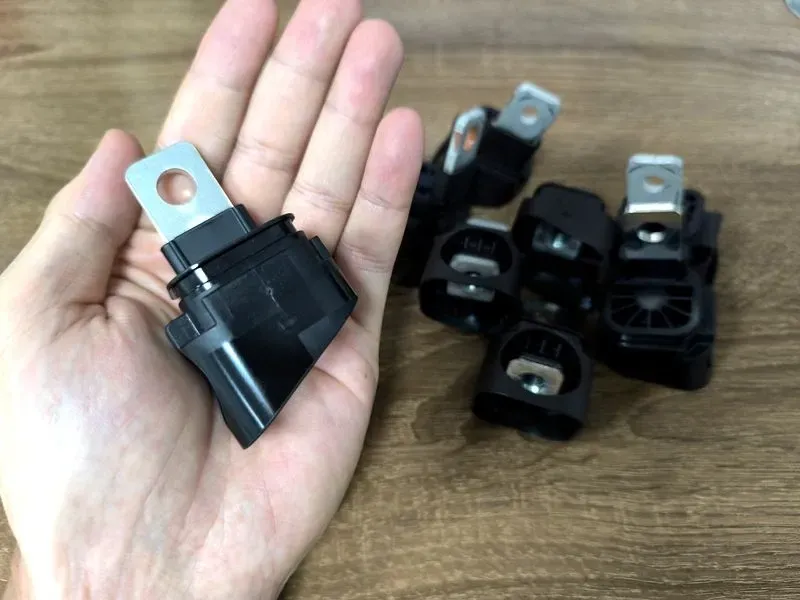
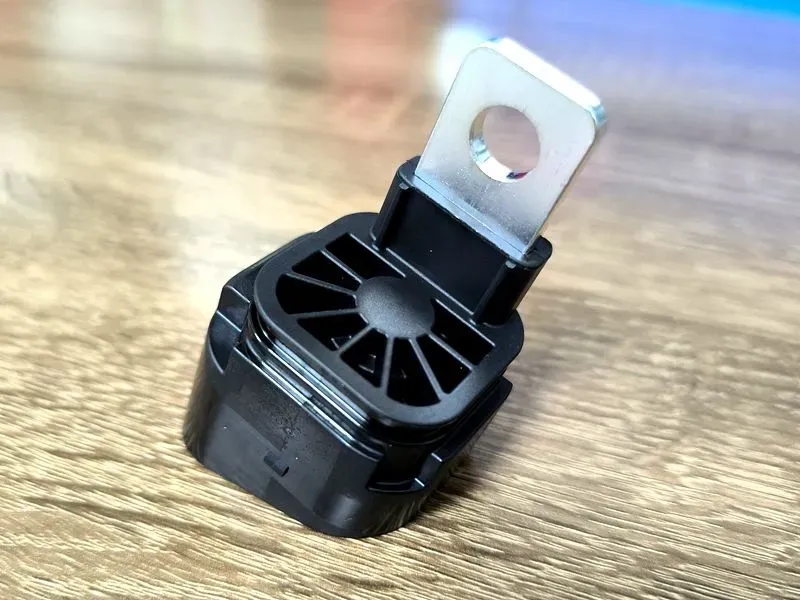
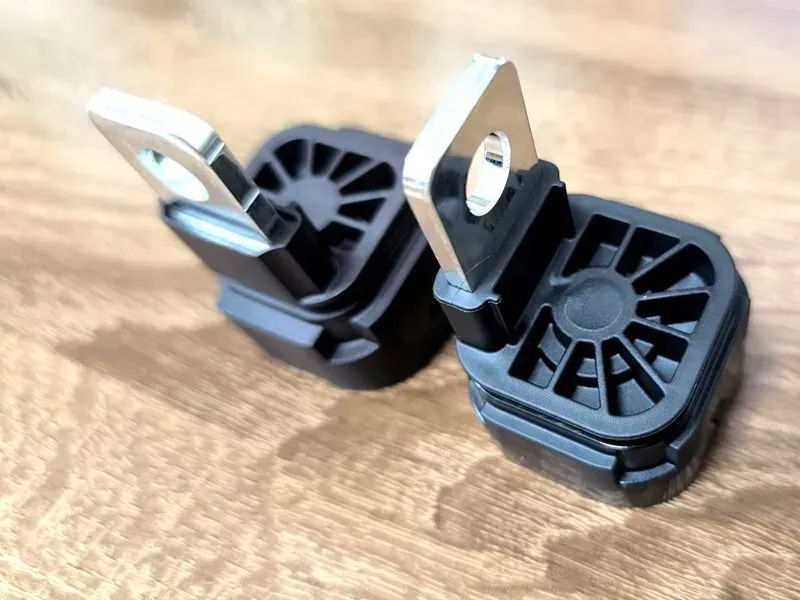
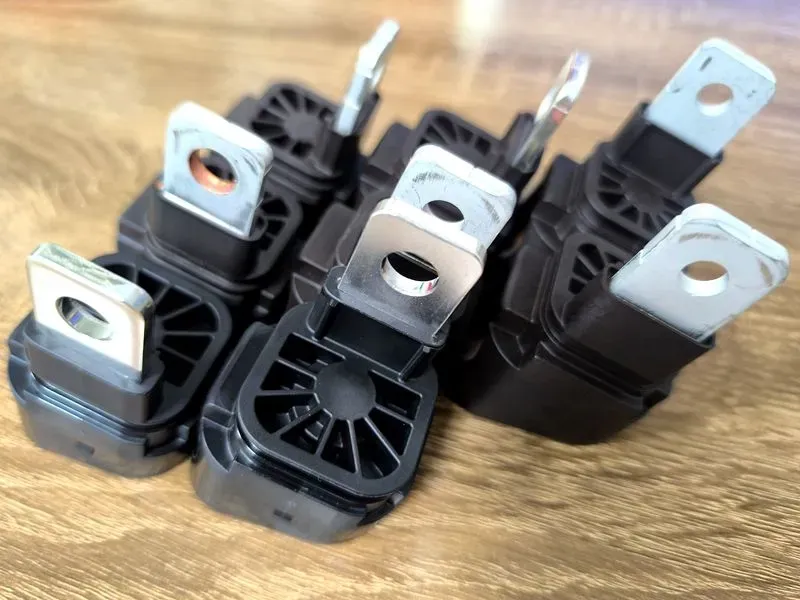
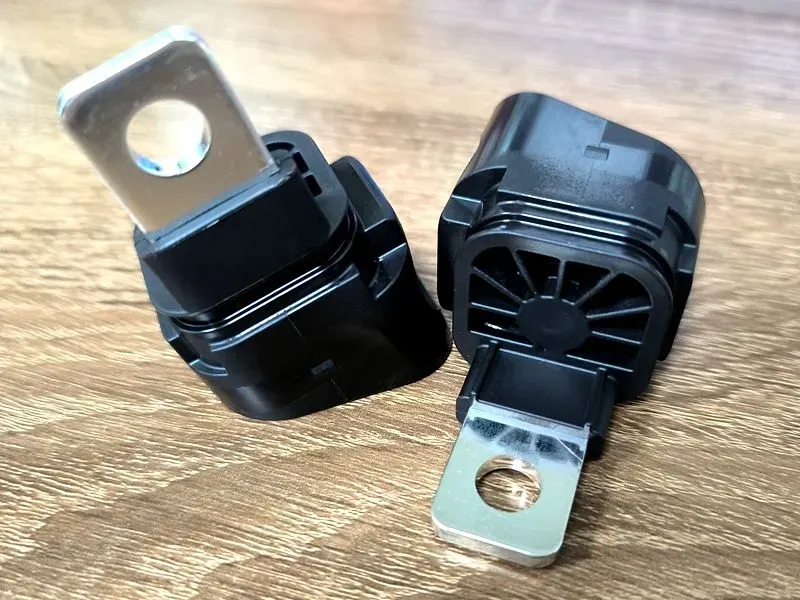
A Leading Innovator in Heavy-Duty Commercial EVs approached Kravzik to engineer a highly reliable component. The project centered on manufacturing a rugged, 800V-ready busbar terminal block. The core design required a massive, high-purity copper busbar to manage extreme electrical loads. We encased this heavy metal core in thick, glass-fiber reinforced nylon. We specified technical grades like PA6 GF30 and PA66 GF25 to ensure maximum thermal stability and dielectric strength.
Our mission on the factory floor went far beyond standard plastic injection. The objective was to achieve a flawless, void-free metal-to-plastic bond using precision insert molding. This tight integration is critical for safety. The bond must survive severe thermal shocks and aggressive temperature shifts. Furthermore, it must withstand the heavy high-torque fastening applied during the final vehicle assembly line without fracturing the rigid polymer housing.
The Challenge
The fundamental physics of insert molding dictate that metal and plastic inherently resist bonding. Injecting hot, molten nylon at $280^\circ\text{C}$+ around a massive, cold copper core creates an immediate thermodynamic clash. As the component cools down, the materials shrink at completely different rates because of their mismatched Coefficient of Thermal Expansion (CTE). If this cooling curve remains uncontrolled, it pulls the boundary layer apart and forms micro-voids. These invisible gaps act as moisture channels, setting the stage for deadly high-voltage leakage.
Beyond thermal physics, we faced a critical surface finish dilemma for the internal electrical terminals & contacts. Standard bright tin plating is visually appealing and common, but it carries a fatal flaw for heavy-duty commercial EVs. Under intense thermal cycling and constant mechanical pressure, bright tin naturally extrudes microscopic, highly conductive metal strands known as tin whiskers. Inside a densely packed 800V electrical architecture, just one stray tin whisker can bridge a gap and trigger a vehicle-destroying short circuit.
The final mechanical hurdle occurs directly on the vehicle assembly line. The thick copper busbar core features a deep, pre-machined threaded hole built to anchor heavy high-voltage cables. When line operators bolt these massive cables down using pneumatic impact tools, they transfer extreme torsional stress directly into the component. Because the surrounding glass-fiber reinforced housing is highly rigid, it cannot absorb the twisting force. Without proper internal structural support, the plastic walls will instantly crack under the applied torque.
Kravzik’s Solution
To prevent the hot nylon from instantly freezing upon hitting the cold metal, we implemented induction pre-heating for the massive copper busbar inserts. By raising the metal’s core temperature prior to injection, we effectively synchronize the cooling rates. This controlled process eliminates micro-voids, ensuring a hermetic seal that easily passes strict automotive air-leak tests.
To solve the severe electrical risks, we specified a Matte Tin plating for the internal electrical terminals & contacts. Unlike smooth finishes, matte tin plating entirely eliminates the growth of short-circuit-causing tin whiskers under thermal stress. Furthermore, its micro-rough surface texture creates a dense mechanical interlock that drastically improves polymer adhesion and overall metal-to-plastic bond strength.
Finally, we utilized structural design to manage destructive assembly line stress. We engineered a series of radial reinforcing ribs directly into the base of the terminal block. This calculated geometry evenly distributes extreme torsional forces across the rigid PA6 GF30 housing, completely preventing the plastic from cracking when operators attach heavy high-voltage cables.
Production Control
Because the black glass-filled nylon entirely conceals the internal copper interface, we cannot rely on standard visual inspection. We utilize high-resolution X-Ray CT scanning on production sample batches to inspect the internal metal-to-plastic boundary. This non-destructive test proves our induction pre-heating parameters are accurate by confirming absolutely zero internal voids or air pockets that could trap moisture.
To validate structural integrity, we physically simulate the client’s aggressive assembly line conditions. We subject the pre-machined threads of the copper busbar to severe torque and pull-out testing using heavy pneumatic drivers. We must physically verify that the radial base ribs successfully dissipate these rotational forces, ensuring the rigid PA6 GF30 housing does not fracture under peak tightening torque.
Finally, we execute rigorous electrical and thermal validation protocols to replicate heavy-duty commercial road conditions. The terminal blocks undergo extreme thermal shock cycling from -40°C to 140°C to test the long-term durability of the insert molding bond. Following this severe thermal stress, components must pass strict Hi-Pot (Dielectric Withstand) testing to guarantee the polymer matrix maintains complete electrical isolation for the 800V architecture without any dielectric breakdown or arcing.
The Outcome & Metrics
The project successfully transitioned to full-scale Start of Production (SOP). Because we engineered the specific radial reinforcing ribs, the client’s assembly line achieved a 0% fracture rate. Operators now apply maximum pneumatic torque directly to the terminal blocks without damaging the rigid housing. This structural improvement significantly reduced their internal scrap rates.
Field data confirms the long-term safety outcome. The combination of induction pre-heating and matte tin plating completely eliminated dangerous micro-voids and tin whiskers. Consequently, the commercial EV fleets utilizing these components report zero instances of moisture-induced arcing or high-voltage shorts, even under extreme road vibrations.
Technical Metrics Summary
- Operating Voltage: 800V+ HV Architecture.
- Insulating Matrix: PA6 / PA66 GF30 (Glass-Fiber Reinforced nylon).
- Conductor Insert: High-Purity C11000 copper busbar.
- Surface Plating: Matte Tin (Anti-whisker / High mechanical interlock).
- Validation: Passed X-Ray void inspection & extreme thermal shock cycling.
Kravzik delivered a clear “Under One Roof” advantage. By handling the heavy metal stamping and machining of the core inserts alongside the precision insert molding in-house, we eliminated supply chain fragmentation. This integrated manufacturing model lowered the client’s Total Cost of Ownership (TCO). It also accelerated their time-to-market for the next generation of heavy-duty electric trucks.
You May Like Also
Access Our Blogs CenterBefore Plating Batch: Stamped Electrical Terminals Finish Audit Checklist
A supplier who plates your terminals but skips the JESD201 post-plating anneal will pass the incoming dimensional check. You discover tin whiskers only after field returns arrive. This checklist audits plating specification, pre-treatment protocols, and post-plating verification. Go through every item.
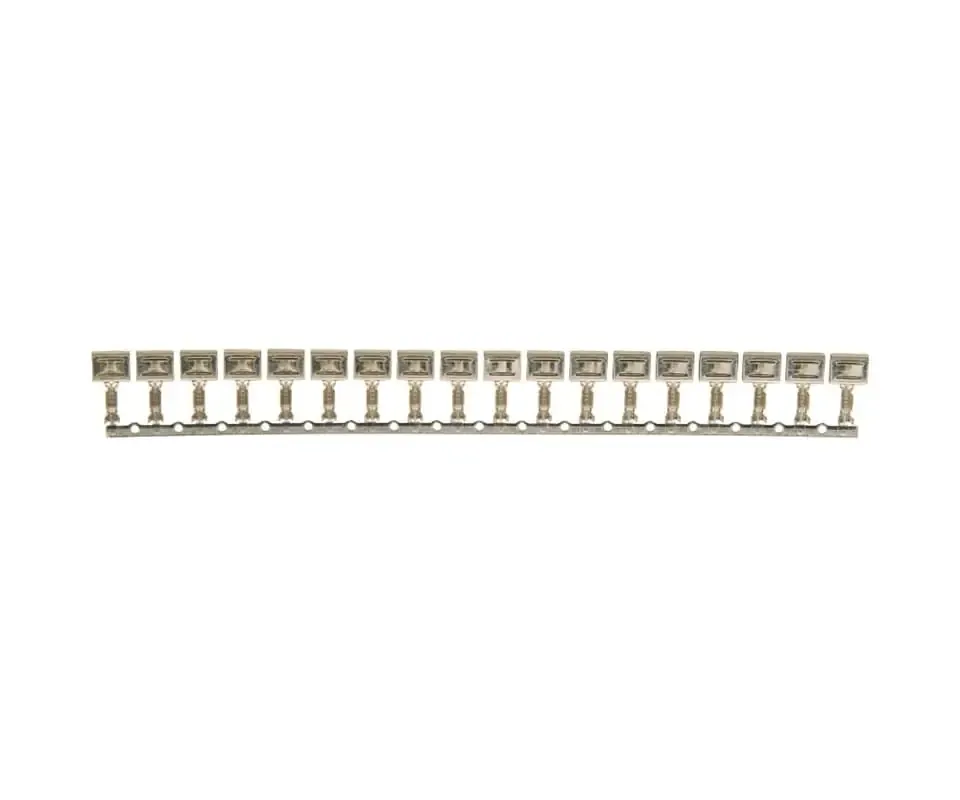
Before PPAP Submission: Stamped Electrical Terminals Compliance Audit Checklist
A PPAP package submitted with a compliance letter but without the Cpk capability study will pass the document checklist and fail the customer SQE review. This checklist audits dimensional capability data, material cert traceability, and testing standards documentation before the submission package leaves your supplier. Go through every document.
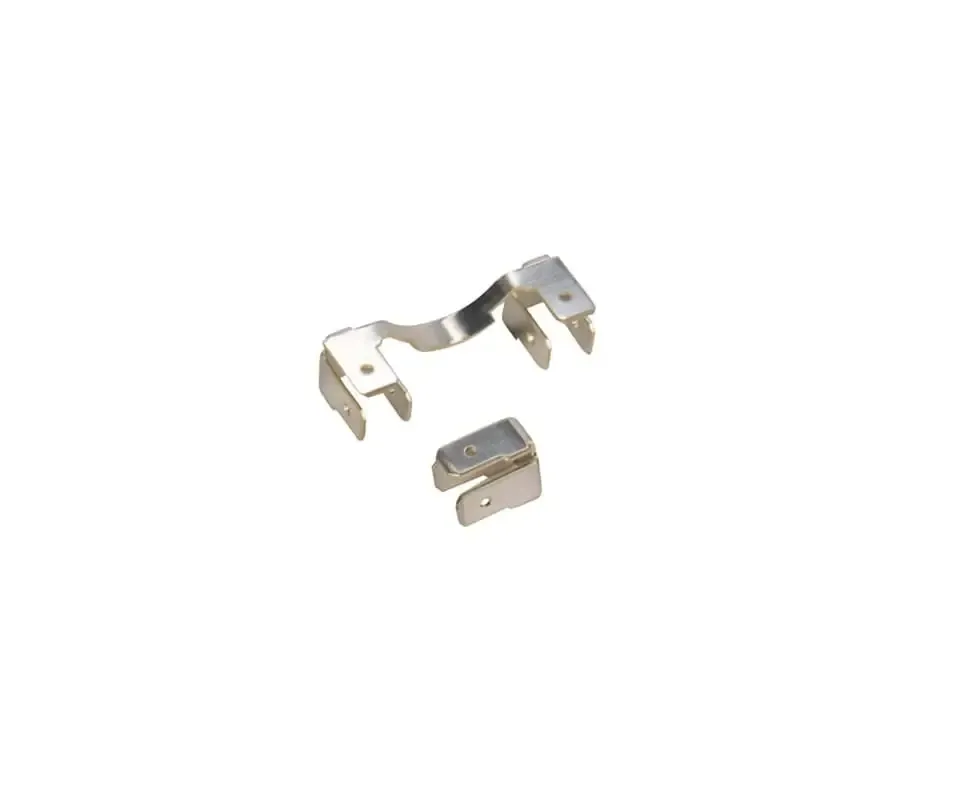
Before Die Design: Stamped Electrical Terminals DFM Readiness Checklist
A terminal drawing that passes CAD review but lacks springback compensation data will drift out of tolerance by stroke 50,000. Your supplier catches it only at first-article rejection. This checklist audits flat blank layout, bend radii, and material grain alignment before die steel is cut. Go through every item.
Ready to Manufacture With One Accountable Factory?
From in-house tooling to high-volume production — stamping, molding, plating and assembly under one IATF 16949 roof. Send your spec and volume, get a quote within 24 hours.