
PC+ABS Compounds: Technical Processing & Material Properties
We engineer high-impact PC+ABS alloy components by meticulously balancing the viscosity and cooling gradients of the blended polymers, ensuring that our IATF 16949 -certified production maintains optimal heat deflection temperatures and structural dimensional stability. By integrating advanced scie…
We engineer high-impact PC+ABS alloy components by meticulously balancing the viscosity and cooling gradients of the blended polymers, ensuring that our IATF 16949-certified production maintains optimal heat deflection temperatures and structural dimensional stability. By integrating advanced scientific molding and real-time cavity pressure monitoring to mitigate internal weld-line stress, we achieve premium surface aesthetics and consistent mechanical performance, which translates to superior flash-less overmolding and durability for demanding automotive housings and complex electronic assemblies.
Advanced Drying: Desiccant processing below 0.02% moisture.Thermal Stability: Superior heat deflection up to 125°C.Impact Strength: Extreme energy absorption in rugged environments.Precision Tooling: Tight ±0.01mm tolerance for complex assemblies.Request DFM EvaluationSee PC ABS Molding Capabilty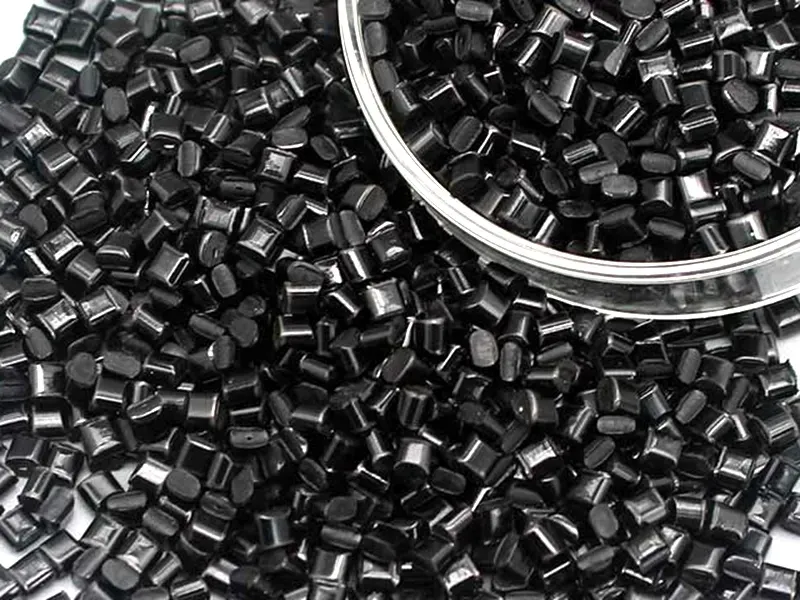
Material Overview: Polycarbonate + Acrylonitrile Butadiene Styrene (PC+ABS)
Polycarbonate + Acrylonitrile Butadiene Styrene (PC+ABS) is a high-performance amorphous thermoplastic alloy that bridges the gap between standard engineering plastics and high-heat resins. By integrating the high impact strength and heat resistance of Polycarbonate (PC) with the exceptional flow characteristics and aesthetic versatility of Acrylonitrile Butadiene Styrene (ABS), this alloy provides a specialized solution for rigorous industrial environments. The injection molding of PC+ABS materials offers an optimized synergy of dimensional stability, chemical resistance, and structural rigidity. It is engineered specifically for mission-critical components that demand flame retardancy and high-speed impact performance, making it the premier choice for automotive interiors, telecommunications housing, and complex multi-material overmolding where structural integrity cannot be compromised.
Engineered Excellence
Superior Thermal Stability
The Polycarbonate component significantly raises the heat deflection temperature (HDT) of the alloy, allowing PC+ABS parts to maintain structural integrity and resist deformation in high-temperature environments that would compromise standard ABS.
Enhanced Impact Strength
By leveraging the high ductility of Polycarbonate and the energy-absorption of the butadiene phase, PC+ABS exhibits exceptional toughness even at low temperatures, effectively preventing stress-cracking and brittle failure.
High-Flow Processability
Despite its reinforced mechanical properties, the ABS fraction ensures the melt retains excellent flow characteristics. This allows for the efficient injection molding of thin-walled geometries and complex internal ribbing without excessive injection pressure.
Premium Aesthetic Finish
PC+ABS offers outstanding surface replication of mold textures. Whether achieving a high-gloss “piano black” finish or specific automotive micro-textures, the material provides a consistent, high-end appearance suitable for secondary painting or plating.
Material Grade Variation
General Purpose
Balanced flow and impact properties optimized for structural enclosures and durable consumer electronics.High Heat Resistance
Specifically alloyed to withstand elevated operating temperatures, common in automotive engine peripherals and lighting.Flame Retardant (UL94)
Formulated with non-halogenated additives to achieve UL94 V-0 ratings for telecommunications and power tool housings.Platable & Metallic
Engineered for superior surface adhesion, enabling high-quality chrome plating or vacuum metallizing for decorative trims.Reinforced / Glass-Filled
Integrated with glass fibers to drastically increase flexural modulus and minimize thermal expansion in precision frames.
Technical Data Section: PC+ABS Material Properties
To assist engineers in evaluating the baseline performance of high-performance PC+ABS alloys, the following table details the core physical and mechanical metrics. These PC+ABS injection molding material properties represent unfilled, general-purpose grades commonly utilized in automotive, telecommunication, and structural electronic housings.
| PROPERTY | TEST METHOD (ASTM/ISO) | VALUE (METRIC) | VALUE (IMPERIAL) |
|---|---|---|---|
| Density / Specific Gravity | ASTM D792 | 1.12 - 1.15 g/cm3 | 0.040 - 0.042 lb/in3 |
| Melt Flow Rate (MFR) | ASTM D1238 | 12 - 25 g/10min | 12 - 25 g/10min |
| Mold Shrinkage (Flow) | ASTM D955 | 0.4% - 0.6% | 0.004 - 0.006 in/in |
| Tensile Strength at Yield | ASTM D638 | 50 - 60 MPa | 7250 - 8700 psi |
| Elongation at Break | ASTM D638 | 40% - 60% | 40% - 60% |
| Flexural Modulus | ASTM D790 | 2400 - 2700 MPa | 348000 - 391500 psi |
| Izod Notched Impact Strength | ASTM D256 | 450 - 600 J/m | 8.4 - 11.2 ft-lb/in |
| Heat Deflection Temp (1.8MPa) | ASTM D648 | 105°C - 125°C | 221°F - 257°F |
| Flammability Rating | UL94 | V-0 / 5VB (Grade Dependent) | V-0 / 5VB (Grade Dependent) |
Comparison Context: PC+ABS vs. Pure Polycarbonate (PC)
When high-performance engineering is required, the decision often lies between using a PC+ABS alloy or moving to pure Polycarbonate. While PC+ABS offers superior processability and better stress-crack resistance, pure PC provides the ultimate limit for transparency and heat deflection. Upgrading to a PC+ABS alloy from standard materials balances the extreme toughness of PC with the manufacturing ease and cost-efficiency of ABS, making it the most versatile choice for rugged hardware.
| PROPERTY / SPECIFICATION | PC+ABS ALLOY | PURE POLYCARBONATE (PC) |
|---|---|---|
| Impact Strength (Notched Izod) | 450 - 650 J/m (Excellent Ductility) | 600 - 850 J/m (Extreme Impact) |
| Heat Deflection (HDT @ 1.82 MPa) | 105°C - 125°C | 130°C - 145°C |
| Molding Processability | High Flow / Lower Injection Pressure | Low Flow / High Processing Temp |
| Stress Crack Resistance | High (ABS prevents PC brittleness) | Moderate (Susceptible to stress) |
| Dimensional Stability | Superior (Very Low Shrinkage) | Excellent (Predictable) |
| Surface Finish Options | High-Gloss, Matte, Texture, Plating | Transparent, High-Gloss, Painting |
| Chemical Resistance | Improved against acids/bases | Sensitive to many solvents/oils |
| Cost Efficiency | Optimized for high-volume production | Premium (High material & tooling cost) |
| Primary Application | Automotive, IT, Power Tools | Medical, Optical, Bulletproof Glass |
Advantages & Limitations: PC+ABS Injection Molding
An objective, engineering-first analysis detailing the industrial strengths and inherent drawbacks of PC+ABS alloy for high-impact structural applications and precision hardware integration.Key Advantages
Extreme Impact Strength: The synergy between PC toughness and ABS flexibility allows PC+ABS to withstand high-energy impacts without shattering, even in sub-zero temperatures.
Superior Heat Deflection: With a significantly higher thermal ceiling than standard ABS, this alloy maintains its mechanical properties and structural rigidity in environments reaching up to 125°C.
Exceptional Dimensional Accuracy: The low and predictable shrinkage rate of PC+ABS allows for the molding of complex, high-tolerance components that require a perfect fit in multi-part assemblies.
Excellent Surface Finish & Plating: The material replicates mold textures with high fidelity, making it ideal for premium “piano black” finishes, metallic plating, or specialized automotive textures.
Enhanced Stress-Crack Resistance: Unlike pure Polycarbonate, the ABS component provides an internal buffer that drastically reduces the risk of environmental stress cracking (ESC) under mechanical load.
Critical Limitations
High Hygroscopic Sensitivity: PC+ABS is extremely sensitive to moisture. Inadequate desiccant drying (typically 4 hours at 100°C) will lead to hydrolytic degradation and surface silver streaks (splay).
Complex Thermal Management: The narrow processing window between the PC and ABS components requires precise mold temperature control to prevent internal stress and potential delamination.
UV Degradation Risk: Without specialized UV-stabilizing additives or secondary coatings, the material can yellow and lose impact strength when exposed to prolonged direct sunlight.
Chemical Vulnerability: The material is susceptible to attack from strong oxidizing agents, aromatic hydrocarbons, and certain industrial oils, necessitating strict chemical environment audits during DFM.
Higher Raw Material Cost: The inclusion of high-purity Polycarbonate makes PC+ABS more expensive per kilogram than standard ABS, requiring optimized runner systems to maintain cost-efficiency.
Engineering Analysis: PC ABS Injection Molding Performance
A comprehensive breakdown of technical strengths, ideal use cases, and critical environmental constraints to guide your material selection process for precision mechanical components.Industrial Strengths
Core mechanical and processing benefits that define this alloy's dominance in rugged product design.The Sweet Spot
Specific scenarios where PC+ABS provides the highest ROI in performance and reliability.Technical Constraints
Inherent alloy properties that require professional Engineering and DFM intervention.Avoidance Criteria
Operational environments where PC+ABS is likely to degrade or fail prematurely.
Injection Molding Processing Guide: PC ABS
To ensure consistent part quality, optimal mechanical performance, and repeatable tolerances across high-volume production, strictly adhere to these fundamental parameters for high-performance PC+ABS alloys.Pre-Processing & Drying
PC+ABS is extremely hygroscopic and susceptible to hydrolytic degradation. Standard air-circulating ovens are insufficient; high-efficiency desiccant drying is mandatory to remove moisture from the molecular structure before the resin enters the injection barrel.
Drying Temp: 100°C – 110°CDuration: 3 – 4 HoursMax Moisture: < 0.02%Max Regrind: 15% (Strictly Controlled)Engineer's Note
"Surface aesthetics alone are deceptive with PC+ABS. While splay marks clearly indicate moisture, silent hydrolytic degradation can occur within the melt, drastically reducing the alloy's impact strength and causing brittle failure in the field. At Kravzik, we utilize dew-point monitored desiccant systems to ensure a moisture level below 0.02% before every production run."
Troubleshooting & Defect Mitigation: PC+ABS
Delamination (Layer Peeling)
Delamination occurs when the part surface flakes or peels due to low melt temperatures or excessive shear stress during the alloying phase. To fix this, increase both melt and mold temperatures to improve material fusion, and reduce the injection speed to lower shear at the gate.Hydrolytic Degradation (Internal Voids)
Moisture during the melting process breaks down molecular chains, causing internal brittleness, voids, and splay marks. To resolve this, verify desiccant dryer performance immediately and ensure moisture content is strictly below 0.02% before resuming production.High Internal Stress (Warping)
Significant residual stress and dimensional shifting often result from uneven cooling between the PC and ABS phases. To prevent warping, use high-precision mold temperature controllers for uniform heat distribution and optimize holding pressure and cooling time for controlled shrinkage.
Critical Dos & Don'ts
Engineering pro-tips and specific processing protocols to protect material performance, mold longevity and operator safetyAvoid Over-Drying and Thermal Stress: While drying is critical, exceeding 120°C or drying for more than 8 hours can oxidize the ABS component, leading to yellowing and loss of impact strength. If production stops for more than 30 minutes, purge the barrel to prevent material degradation from prolonged residence time.
Optimize Venting for High-Speed Injection: PC+ABS often requires faster injection speeds to maintain melt heat in thin sections. Ensure deep, precise venting (0.04 mm to 0.06 mm) at the end of the flow to prevent gas trapping, diesel burns, or “scorched” edges on the final part.
Implement High-Precision Mold Heat: Never run PC+ABS with a “cold” mold. Maintaining a consistent mold temperature between 70°C and 100°C is essential to reduce molded-in stress and achieve a high-quality surface finish. Utilize oil-based or high-pressure water heaters for maximum thermal stability.
Why Choose UsWhy Industry Leaders Choose Kravzik?
Delivering uncompromising precision, accelerated speed-to-market, and fully integrated manufacturing solutions for the most demanding technical applications.
Accelerated NPI & Rapid Turnaround
We compress your development cycles. By integrating agile manufacturing processes with advanced in-house capabilities, we deliver functional, test-ready components in days—helping you hit tight launch deadlines without sacrificing quality.
Production-Grade Precision & QA
Quality is non-negotiable for medical, aviation, and advanced robotics applications. We achieve strict dimensional tolerances backed by comprehensive in-house metrology, including CMM vision systems, complete FAI reporting, and ISO-compliant workflows.
Proactive DFM & Cost Optimization
We don’t just execute prints; we optimize them. Our engineering team provides rigorous Design for Manufacturability (DFM) reviews upfront. By identifying potential defects early, we significantly reduce tooling risks and overall unit costs.
Seamless Scalability & IP Protection
Grow your volume seamlessly without switching suppliers. We transition your projects from low-volume prototypes to high-yield mass production under one roof. All proprietary CAD designs are strictly protected under legally binding NDAs.
Evaluate High-Performance Plastics & Resins Specifications
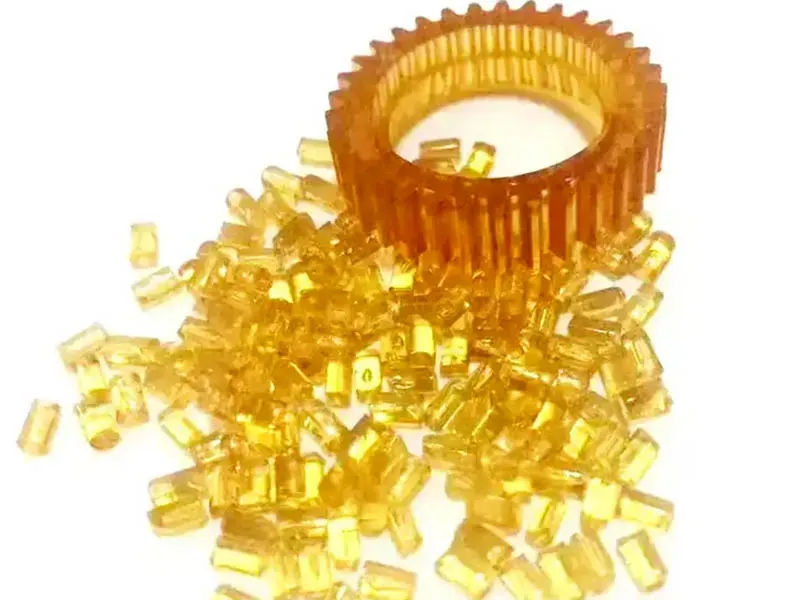
PEI
Advanced PEI (Ultem®) molding specialists providing high-precision, heat-resistant components with 170°C thermal stability and inherent flame retardancy for mission-critical applications.
Learn More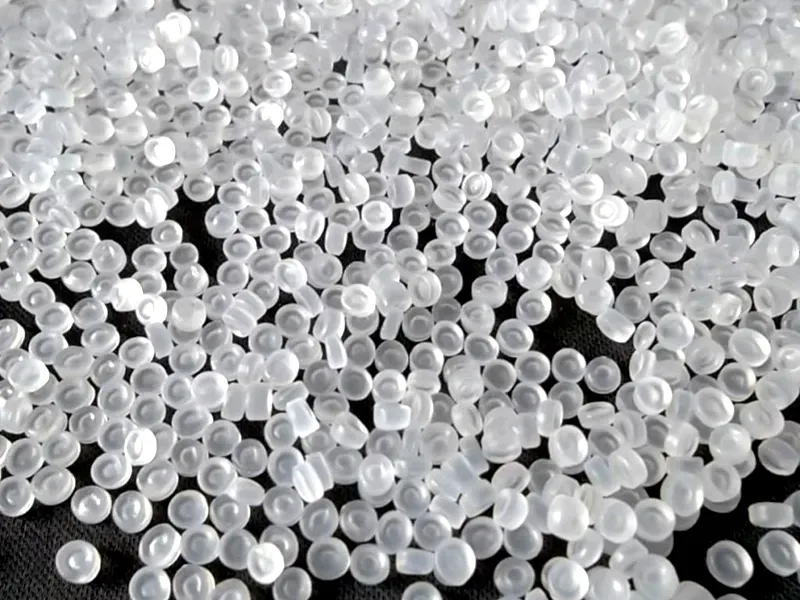
Polystyrene (PS)
Scalable PS molding solutions delivering glass-like optical clarity and high-rigidity structural performance through IATF-certified precision engineering.
Learn More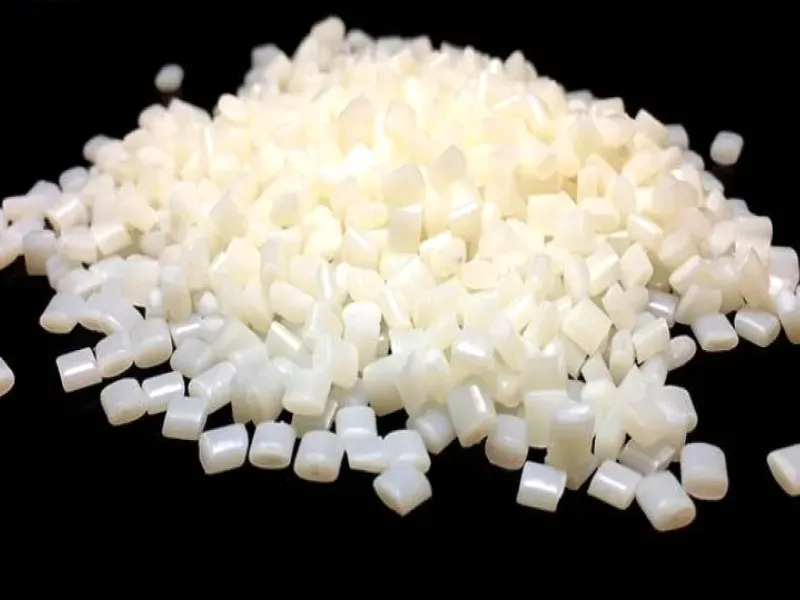
Nylon
High-performance Nylon molding solutions featuring advanced desiccant drying and precision thermal control for superior wear-resistant industrial components at scale.
Learn More
Polypropylene (PP)
High-volume PP molding specializing in durable living hinges and chemically inert enclosures with 0.05mm precision and IATF-grade quality control.
Learn MoreRequest DFM EvaluationAccess Full Material Data SheetsTECHNICAL REFERENCEFrequently Asked Questions
Answers to common questions regarding precision, tooling, materials, and our integrated molding capabilities.PC+ABS offers significantly higher heat resistance and impact strength than standard ABS. While ABS is cost-effective for general use, PC+ABS is engineered for demanding environments where structural integrity under thermal load and superior drop-test performance are non-negotiable requirements.
Yes. Our precision tooling and high-heat mold controllers allow us to achieve premium A-class surfaces, including high-gloss “piano black” and complex micro-textures. We specialize in eliminating surface defects like flow marks and weld lines that often plague high-gloss PC+ABS parts.
We utilize high-efficiency desiccant dryers to maintain a moisture level below 0.02%. Because PC+ABS is extremely hygroscopic, moisture can cause hydrolytic degradation during molding, which ruins the part’s mechanical strength even if the surface looks perfect.
Absolutely. We leverage our internal metal stamping and CNC departments to produce precision copper and steel inserts. These are then integrated into the PC+ABS matrix during the molding cycle, ensuring perfectly aligned terminals and superior pull-out strength for electrical components.
We use advanced Moldflow analysis during the DFM phase to optimize gate locations and cooling channel layouts. By maintaining uniform mold temperatures and utilizing scientific molding principles, we control internal stress and achieve repeatable tolerances of +/- 0.01 mm.
Yes. We source high-grade resins that are fully compliant with RoHS and REACH standards. We also provide specialized UL94 V-0 flame-retardant grades for telecommunications and electronic applications that require strict fire safety certification.
Our capabilities include ultrasonic welding, heat staking, laser etching, and overmolding with TPE/TPU. This “one-stop” approach ensures that your complex multi-material assemblies are finished, tested, and ready for final integration when they leave our facility.
While base PC+ABS is sensitive to UV, we offer UV-stabilized grades and secondary protective coatings to prevent yellowing and embrittlement. For rugged outdoor hardware, we recommend these specialized formulations to ensure a service life that matches the material’s mechanical durability.

Still have questions?
Our engineering team loves solving complex problems. Chat with us or send your drawing for a review.
Request DFM EvaluationReady to Manufacture With One Accountable Factory?
From in-house tooling to high-volume production — stamping, molding, plating and assembly under one IATF 16949 roof. Send your spec and volume, get a quote within 24 hours.