
PEI Resins: Technical Processing & Material Properties
We engineer high-performance polyetherimide (PEI) components by meticulously managing extreme melt temperatures and rigorous 150°C desiccant drying cycles, ensuring that our IATF 16949 -certified production maintains critical structural integrity and V-0 flammability compliance. By integrating adva…
We engineer high-performance polyetherimide (PEI) components by meticulously managing extreme melt temperatures and rigorous 150°C desiccant drying cycles, ensuring that our IATF 16949-certified production maintains critical structural integrity and V-0 flammability compliance. By integrating advanced mold-flow simulation and precision thermal-regulation protocols, we effectively control the material’s high melt viscosity, which translates to consistent, flash-less overmolding and high-heat resistance for demanding automotive and industrial hardware assemblies.
Thermal Stability: Maintains integrity at continuous 170°C exposure.Precise Drying: Mandatory 150°C desiccant drying for zero splay.Dielectric Strength: Exceptional electrical insulation for high-frequency connectors.Chemical Resistance: Superior survival in aggressive automotive/medical fluids.Request DFM EvaluationSee PEI Molding Capabilty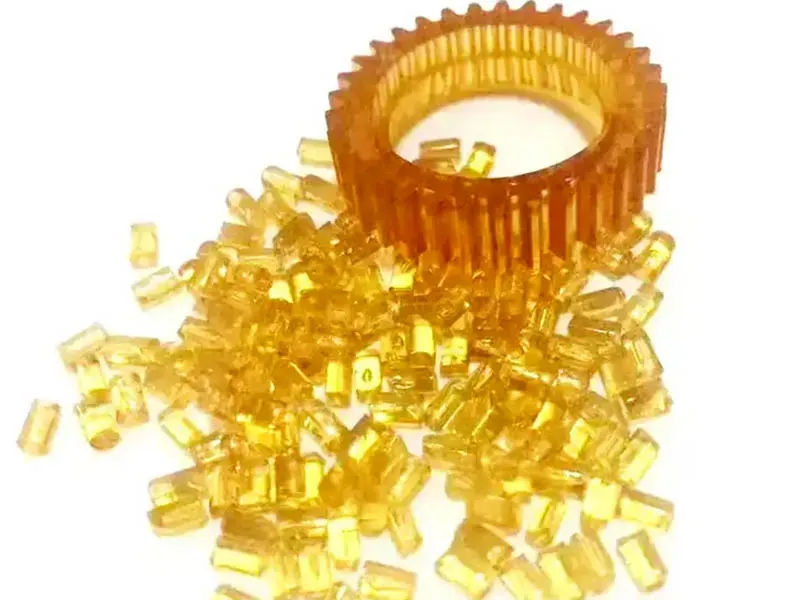
Material Overview: Polyetherimide (PEI)
Polyetherimide (PEI), frequently known by its brand name Ultem®, is a high-performance amorphous thermoplastic that serves as a cornerstone for advanced engineering in extreme environments. Characterized by its unique molecular structure containing both ether linkages for flexibility and imide groups for high-temperature stiffness, PEI offers an unparalleled combination of thermal stability, inherent flame resistance, and exceptional dielectric strength. By maintaining high mechanical properties even at elevated temperatures, injection molded PEI material provides a superior alternative to metal in many aerospace, automotive, and medical applications. It is specifically engineered for high-precision components that demand long-term creep resistance and broad chemical compatibility, making it the definitive choice for rigorous insert molding projects and mission-critical hardware integrations.
Engineered Excellence
Continuous Heat Resistance
The inherent thermal stability of PEI allows for continuous use at temperatures up to 170°C, maintaining its mechanical properties and structural integrity where standard engineering plastics would soften or fail.
Inherent Flame Retardancy
PEI possesses a high limiting oxygen index and naturally meets UL 94 V-0 requirements without the need for halogenated additives, ensuring low smoke evolution and toxic gas emission in sensitive environments.
High Dielectric Strength
With exceptional electrical insulation properties that remain stable across a wide range of frequencies and temperatures, PEI is an ideal substrate for high-voltage connectors and electronic sensor housings.
Exceptional Tensile Strength
As an amorphous resin with a high glass transition temperature (T g ), PEI provides metal-like rigidity and superior creep resistance, ensuring long-term performance under sustained mechanical loads.
Material Grade Variation
General Purpose
Standard unreinforced grade offering the optimal balance of flow, transparency, and mechanical strength for versatile industrial use.Glass-Filled (10%-40%)
Reinforced with glass fibers to significantly enhance tensile strength, stiffness, and dimensional stability while further reducing thermal expansion.High Chemical Resistance
Formulated with additives to meet stringent electronic casing safety standards like UL94 V-0.Wear Resistant
Internally lubricated grades with PTFE or graphite additives for low-friction performance in bushings, bearings, and moving assemblies.Enhanced Ductility
Modified formulations providing improved impact resistance and elongation properties for components subjected to high-stress snap-fits.
Technical Data Section: PEI Material Properties
To assist engineers in evaluating the high-performance capabilities of Polyetherimide (PEI), the following table details the core physical, thermal, and mechanical metrics. These PEI injection molding material properties are representative of unfilled, general-purpose grades (such as Ultem 1000) commonly utilized in aerospace, medical, and high-frequency electronic applications.
| PROPERTY | TEST METHOD (ASTM/ISO) | VALUE (METRIC) | VALUE (IMPERIAL) |
|---|---|---|---|
| Density / Specific Gravity | ASTM D792 | 1.27 g/cm³ | 0.046 lb/in³ |
| Melt Flow Rate (MFR) @337°C | ASTM D1238 | 9 g/10min | 9 g/10min |
| Mold Shrinkage (Flow) | ASTM D955 | 0.5% - 0.7% | 0.005 - 0.007 in/in |
| Tensile Strength at Yield | ASTM D638 | 105 MPa | 15200 psi |
| Elongation at Break | ASTM D638 | 60% | 60% |
| Flexural Modulus | ASTM D790 | 3300 MPa | 480000 psi |
| Izod Notched Impact Strength | ASTM D256 | 50 J/m | 0.9 ft-lb/in |
| Heat Deflection Temp (1.8MPa) | ASTM D648 | 200°C | 392°F |
| Glass Transition Temp (Tg) | DSC | 217°C | 423°F |
| Flammability Rating | UL94 | V-0 (Standard) | V-0 (Standard) |
Comparison Context: PEI (Ultem) vs PEEK
When selecting materials for extreme environments, engineers frequently evaluate Polyetherimide (PEI) against Polyetheretherketone (PEEK). While PEI offers exceptional cost-to-performance value, inherent flame resistance, and superior dielectric strength as an amorphous polymer, upgrading to PEEK provides a semi-crystalline structure with even higher continuous service temperatures and enhanced wear resistance for the most demanding aerospace and oil & gas applications.
| PROPERTY / SPECIFICATION | PEI (ULTEM 1000) | PEEK (UNFILLED) |
|---|---|---|
| Polymer Structure | Amorphous (Predictable shrinkage) | Semi-Crystalline (High chemical resistance) |
| Glass Transition Temp (Tg) | 217°C (423°F) | 143°C (289°F) |
| Melting Point (Tm) | N/A (Softens gradually) | 343°C (649°F) |
| Tensile Strength (Yield) | 105 MPa (Excellent Rigidity) | 100 MPa (Ductile Performance) |
| Flexural Modulus | 3,300 MPa | 3,800 - 4,100 MPa |
| Processing Temperature | 340°C – 400°C | 360°C – 400°C (Requires high tool temp) |
| Chemical Resistance | High (Resists acids/alcohols) | Superior (Universal solvent resistance) |
| Cost-Efficiency | Premium Engineering Grade | Ultra-High Performance (Higher Cost) |
| Primary Applications | Medical manifolds, electrical connectors | Engine components, downhole oil tools |
| Flammability Rating (UL94) | V-0 / 5VA (Inherent) | V-0 (Inherent) |
| Sterilization Compatibility | Autoclave, Gamma, EtO | Excellent Autoclave (2,500+ cycles) |
Advantages & Limitations: PEI Injection Molding
An objective, engineering-first analysis detailing the industrial strengths and inherent drawbacks of Polyetherimide (PEI) for high-reliability injection molding and mission-critical hardware integrations.Key Advantages
Extreme Thermal Stability: PEI maintains its mechanical properties and dimensional integrity in continuous-use environments up to 170°C, outperforming nearly all other engineering thermoplastics in heat resistance.
Inherent Flame Retardancy: The polymer’s chemistry is naturally flame resistant (UL 94 V-0 and 5VA rated) with extremely low smoke evolution, eliminating the need for environmentally harmful halogenated additives.
Superior Dielectric Strength: PEI offers excellent electrical insulation that remains stable across a wide range of temperatures and frequencies, making it the industry standard for high-performance electronic connectors.
Exceptional Chemical & Hydrolytic Resistance: It resists a broad spectrum of chemicals, including most acids, alcohols, and automotive fluids, and is highly resistant to hot water and steam, allowing for repeated autoclave sterilization cycles.
High Strength-to-Weight Ratio: With metal-like rigidity and high tensile strength, PEI serves as an ideal lightweight replacement for aluminum and brass in aerospace and medical device components.
Critical Limitations
High Processing Temperatures: PEI requires high melt temperatures (340°C – 400°C) and elevated mold temperatures (135°C – 165°C). Mitigation Tip: Ensure your injection molding partner utilizes specialized high-heat equipment and oil-heaters.
Sensitivity to Notch Stress: While strong, PEI is notch-sensitive, which can lead to stress cracking at sharp corners. Mitigation Tip: Incorporate generous radii and fillets in the part design to distribute mechanical loads.
Highly Hygroscopic Nature: The resin absorbs moisture rapidly, which can cause severe cosmetic defects (splay) and structural degradation during molding. Mitigation Tip: Mandatory desiccant drying at 150°C for 4 to 6 hours before processing.
Significant Material Cost: As a high-performance amorphous resin, the raw material cost of PEI is substantially higher than standard engineering plastics like ABS or PC. Mitigation Tip: Reserve PEI for applications where lower-cost resins cannot meet the thermal or chemical requirements.
Limited Color Options: Due to its natural amber/transparent hue and high processing heat, achieving bright or pastel colors is difficult. Mitigation Tip: Stick to the natural transparent amber or opaque black for the best color consistency.
Engineering Analysis: PEI Injection Molding Performance
A comprehensive breakdown of technical strengths, ideal use cases, and critical environmental constraints to guide your material selection process for precision mechanical components.Industrial Strengths
Core mechanical and processing benefits that make PEI a staple in high-performance engineering.The Sweet Spot
The specific scenarios where PEI outperforms all others in cost, performance, and reliability.Technical Constraints
Inherent physical properties that require strategic design-for-manufacturing (DFM) adjustments.Avoidance Criteria
Critical operational environments or functional requirements where PEI is likely to fail.
Injection Molding Processing Guide: PEI
To ensure consistent part quality, optimal mechanical performance, and repeatable tolerances for high-reliability components, strictly adhere to these specialized parameters for Polyetherimide (PEI) resins.Pre-Processing & Drying
PEI is exceptionally hygroscopic. Even trace amounts of moisture will cause immediate hydrolytic degradation, leading to brittle parts and surface splay. Mandatory high-temperature desiccant drying is the most critical step in the PEI molding process.
Drying Temp: 150°C - 160°CDuration: 4 - 6 HoursMax Moisture: < 0.02%Max Regrind: 15% (Strictly Controlled)Engineer's Note
"With PEI, visual inspection is insufficient. While splay marks indicate gross moisture, silent hydrolytic degradation occurs at levels as low as 0.05%, drastically reducing the material's polymer chain length and impact strength. We utilize moisture analyzers to confirm resin dryness before every production launch to prevent catastrophic field failures."
Troubleshooting & Defect Mitigation
Splay & Moisture Voids
PEI is highly sensitive to moisture. Splay marks are often the first sign of inadequate drying. To resolve, immediately verify desiccant dryer performance at 150°C and ensure the resin moisture content is strictly below 0.02% before resuming injection.Stress Cracking (Crazing)
Excessive internal stress in PEI parts can lead to premature cracking, especially when exposed to chemicals. To mitigate this, increase mold temperatures to 140°C–165°C to allow for better molecular relaxation and perform post-mold annealing if necessary.Flow Line & Weld Weakness
Due to high melt viscosity, PEI may exhibit weak weld lines. To improve fusion, elevate the melt temperature within the 360°C–400°C range and increase injection speed to ensure the melt front remains hot enough to bond properly.
Critical Dos & Don'ts
Engineering pro-tips and specific processing protocols to protect material performance, mold longevity and operator safetyAvoid Thermal Degradation: Do not allow PEI melt to reside in the barrel for more than 5 to 8 minutes at temperatures above 380°C. Prolonged heat exposure causes the resin to “cross-link” or yellow, leading to brittle parts and carbon contamination. If production stops, purge immediately with a high-heat stable purging compound.
Manage High-Pressure Venting: Due to high injection pressures and melt temperatures, adequate gas venting is non-negotiable. Recommend vent depths of 0.03 mm to 0.05 mm at the end of fill to prevent “diesel burns” (gas traps) and to ensure full part packing without localized overheating.
Maintain Stable Mold Heat: Never attempt to mold PEI with standard water cooling. Only use oil-heaters capable of maintaining a consistent 140°C–165°C. Cold molds will “freeze” the polymer chains prematurely, inducing massive internal stress and reducing the part’s chemical resistance.
Implement Gradual Shutdowns: When shutting down, lower the barrel temperature to 300°C before stopping the screw. Leaving the barrel at 400°C can result in the PEI carbonizing and bonding to the screw surface, making subsequent startup difficult and increasing the risk of “black specks” in the next run.
Why Choose UsWhy Industry Leaders Choose Kravzik?
Delivering uncompromising precision, accelerated speed-to-market, and fully integrated manufacturing solutions for the most demanding technical applications.
Accelerated NPI & Rapid Turnaround
We compress your development cycles. By integrating agile manufacturing processes with advanced in-house capabilities, we deliver functional, test-ready components in days—helping you hit tight launch deadlines without sacrificing quality.
Production-Grade Precision & QA
Quality is non-negotiable for medical, aviation, and advanced robotics applications. We achieve strict dimensional tolerances backed by comprehensive in-house metrology, including CMM vision systems, complete FAI reporting, and ISO-compliant workflows.
Proactive DFM & Cost Optimization
We don’t just execute prints; we optimize them. Our engineering team provides rigorous Design for Manufacturability (DFM) reviews upfront. By identifying potential defects early, we significantly reduce tooling risks and overall unit costs.
Seamless Scalability & IP Protection
Grow your volume seamlessly without switching suppliers. We transition your projects from low-volume prototypes to high-yield mass production under one roof. All proprietary CAD designs are strictly protected under legally binding NDAs.
Evaluate High-Performance Plastics & Resins Specifications
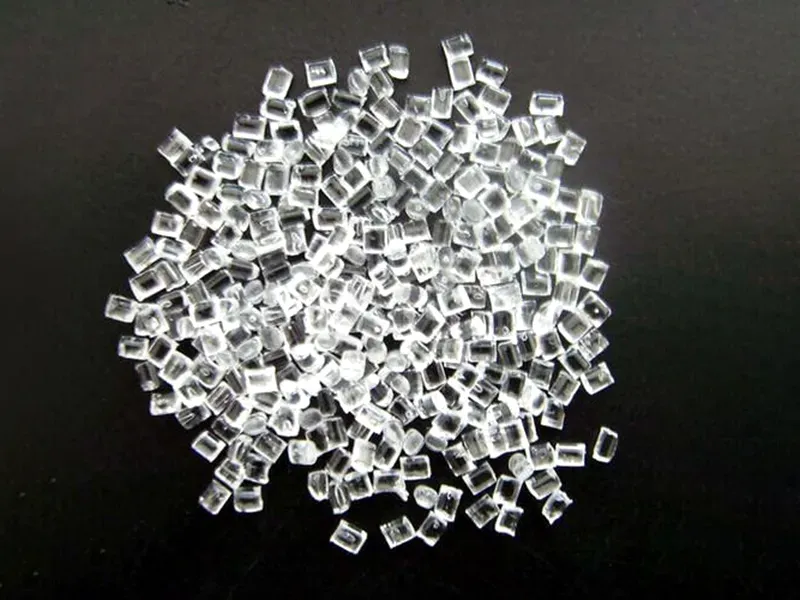
Polycarbonate (PC)
High-transparency, impact-resistant PC molding with IATF 16949 precision for rugged industrial and medical hardware.
Learn More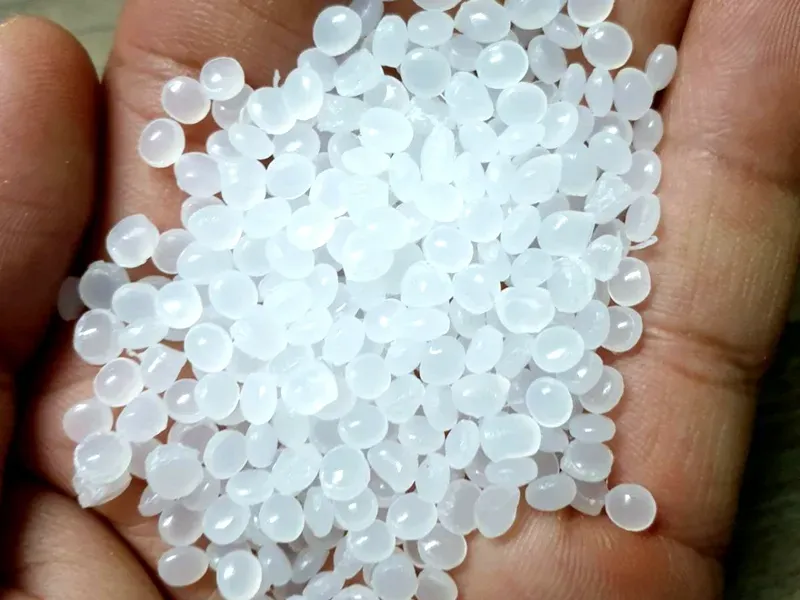
LLDPE
Mastering LLDPE’s high-shrinkage for precise, tear-resistant flexible components. High-volume production with advanced thermal control and integrated insert molding.
Learn More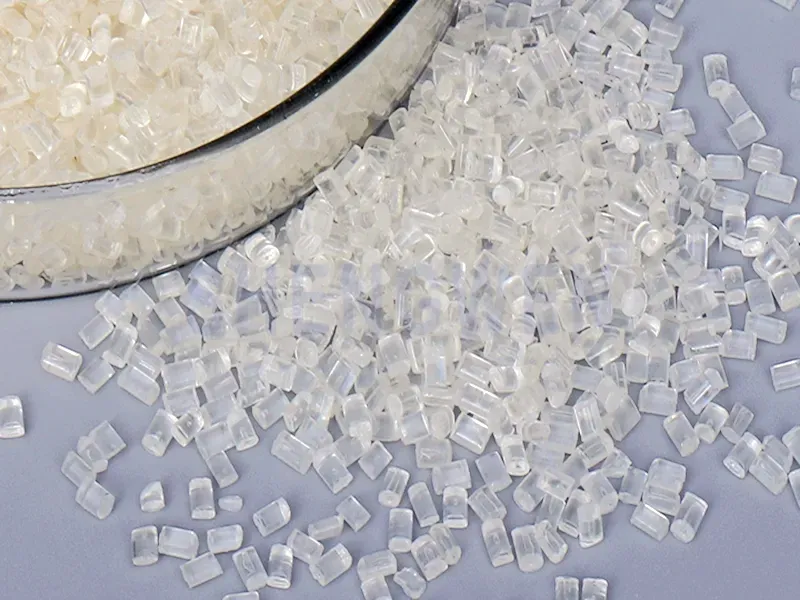
Polysulfone (PSU)
Master PSU injection molding with crystal-clear precision and 174°C thermal stability for high-volume, medical-grade production runs.
Learn More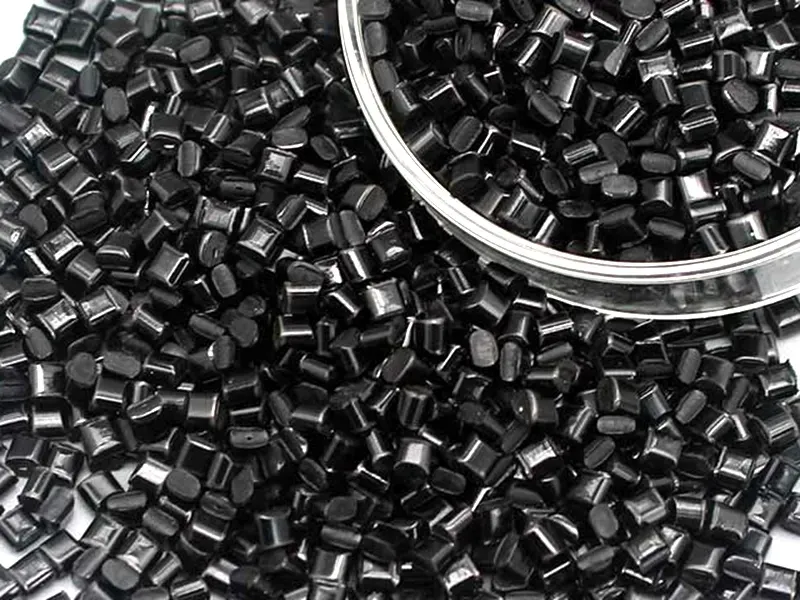
PC ABS
Engineered PC+ABS solutions combining extreme impact strength with superior heat resistance. We leverage IATF-certified precision to deliver high-volume, zero-defect structural components.
Learn MoreRequest DFM EvaluationAccess Full Material Data SheetsTECHNICAL REFERENCEFrequently Asked Questions
Answers to common questions regarding precision, tooling, materials, and our integrated molding capabilities.We utilize specialized high-temperature oil heaters and thermal-insulated molding machines to maintain stable mold temperatures up to 165°C. This rigorous thermal management prevents premature freezing of the polymer chains and minimizes internal stress in the final part.
PEI is extremely sensitive to moisture-induced hydrolysis. We implement a mandatory desiccant drying protocol at 150°C for at least 4 hours to reach moisture levels below 0.02%, ensuring the material maintains its full molecular weight and impact strength.
Yes. By pre-heating metal inserts and utilizing high-grade H13 hardened steel molds, we achieve tolerances within +/- 0.01 mm. Our in-house metal stamping and CNC capabilities allow us to control the entire thermal expansion variable for perfect plastic-to-metal integration.
We only source medical and aerospace grade PEI resins that are fully compliant with UL 94 V-0, FAA smoke and toxicity standards, and ISO 10993 biocompatibility requirements, supported by complete material traceability and COA documentation.
Our engineering team conducts a thorough DFM review to replace sharp corners with generous radii and ensures uniform wall thickness. For extremely high-stress applications, we perform post-mold annealing to relieve residual internal stresses and enhance chemical resistance.
Absolutely. PEI is renowned for its hydrolytic stability. It can withstand thousands of autoclave cycles at 134°C without significant loss of mechanical properties or transparency, making it the premier choice for reusable surgical instruments and manifolds.
We offer precision CNC post-machining for ultra-fine threads, ultrasonic welding for hermetic seals, and fiber laser marking for permanent serialization. All secondary processes are handled in-house to maintain strict quality control and reduce lead times.
PEI offers an exceptional strength-to-weight ratio and can replace metal in environments up to 170°C. By utilizing glass-filled grades, we provide the rigidity of die-cast aluminum with the added benefits of corrosion resistance and significant weight reduction.

Still have questions?
Our engineering team loves solving complex problems. Chat with us or send your drawing for a review.
Request DFM EvaluationReady to Manufacture With One Accountable Factory?
From in-house tooling to high-volume production — stamping, molding, plating and assembly under one IATF 16949 roof. Send your spec and volume, get a quote within 24 hours.