
PP Resins: Technical Processing & Material Properties
We engineer high-performance polypropylene (PP) components by strictly regulating crystallization kinetics and cooling rates to manage high-shrinkage characteristics, ensuring that our IATF 16949 -certified production maintains structural integrity and precise geometry for complex living hinges. By…
We engineer high-performance polypropylene (PP) components by strictly regulating crystallization kinetics and cooling rates to manage high-shrinkage characteristics, ensuring that our IATF 16949-certified production maintains structural integrity and precise geometry for complex living hinges. By optimizing gate location and mold cavity pressure, we achieve superior moisture-barrier performance and mechanical durability, which translates to consistent, flash-less overmolding and repeatable high-volume precision for demanding automotive and industrial applications.
Fatigue Resistance: Industry-leading endurance for living hinges.Chemical Inertness: Exceptional stability against corrosive solvents.Moisture Barrier: Near-zero absorption for consistent insulation.Weight Reduction: Lowest density for optimized lightweighting.Request DFM Evaluation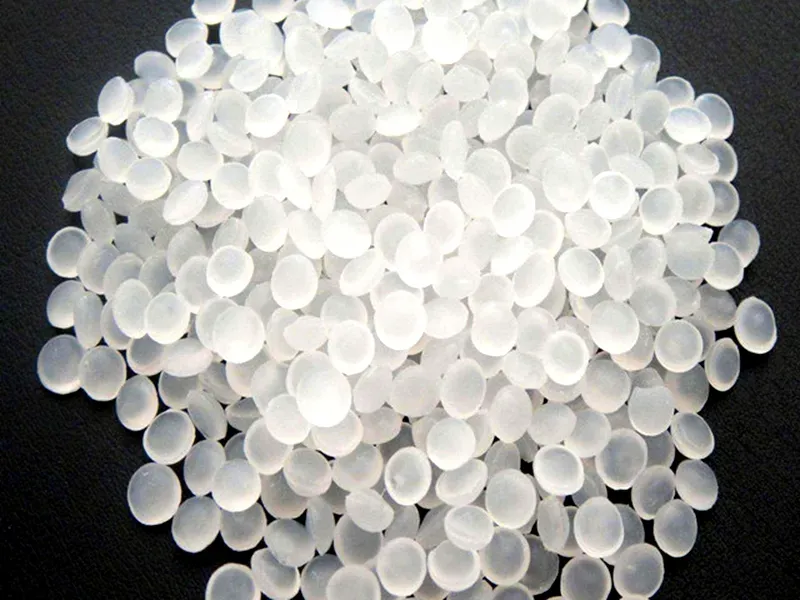
Material Overview: Polypropylene (PP)
Polypropylene (PP) is a high-utility semi-crystalline thermoplastic, renowned for its exceptional chemical resistance, low density, and "living hinge" property in precision industrial manufacturing. By leveraging its molecular elasticity and thermal stability, injection-molded PP components offer a superior balance of fatigue resistance, electrical insulation, and moisture barrier performance. It is particularly well-suited for high-cycle applications, automotive interior trims, and medical-grade fluid handling systems that demand high durability under repetitive mechanical stress and exposure to corrosive environments.
Engineered Excellence
High Fatigue Resistance
The molecular structure of PP provides an industry-leading “living hinge” capability, allowing components to withstand hundreds of thousands of flex cycles without stress cracking or structural failure.
Chemical & Corrosion Inertness
PP exhibits exceptional resistance to organic solvents, degreasing agents, and electrolytic attack, making it the primary choice for automotive fluid reservoirs and industrial chemical handling components.
Superior Moisture Barrier
With near-zero water absorption rates, PP maintains its mechanical integrity and electrical insulation properties in high-humidity environments where other engineering plastics might swell or degrade.
Low Specific Gravity
As one of the lightest commercial thermoplastics, PP enables significant weight reduction in multi-part assemblies without sacrificing the required structural volume or impact durability.
Material Grade Variation
Homopolymer PP
High stiffness and superior heat resistance, optimized for structural components and high-temperature industrial applications.Copolymer PP
Engineered with increased ethylene content to provide enhanced impact strength and ductility, even in low-temperature environments.Glass-Filled (GFPP)
Reinforced with 10%–40% glass fibers to significantly increase tensile strength, creep resistance, and dimensional stability.Flame Retardant
Formulated with specialized additives to meet stringent safety certifications like UL94 V-0 for electrical and electronic housings.Mineral-Filled (Talc/Calcium)
Incorporates mineral fillers to improve surface hardness, reduce shrinkage, and increase the heat deflection temperature (HDT).
Technical Data Section: PP Material Properties
To assist engineers in evaluating the baseline performance of standard Polypropylene (PP) resin, the following table details the core physical and mechanical metrics. These PP injection molding material properties are representative of unfilled, general-purpose homopolymer and copolymer grades commonly utilized in high-fatigue, chemically sensitive, and lightweight industrial components.
| PROPERTY | TEST METHOD (ASTM/ISO) | VALUE (METRIC) | VALUE (IMPERIAL) |
|---|---|---|---|
| Density / Specific Gravity | ASTM D792 | 0.90 - 0.91 g/cm³ | 0.033 lb/in³ |
| Melt Flow Rate (MFR) | ASTM D1238 | 12 - 25 g/10min | 12 - 25 g/10min |
| Mold Shrinkage (Flow) | ASTM D955 | 1.5% - 2.0% | 0.015 - 0.020 in/in |
| Tensile Strength at Yield | ASTM D638 | 31 - 35 MPa | 4500 - 5100 psi |
| Elongation at Break | ASTM D638 | >100% | >100% |
| Flexural Modulus | ASTM D790 | 1300 - 1500 MPa | 188,500 - 217,500 psi |
| Notched Izod Impact | ASTM D256 | 50 - 100 J/m | 0.9 - 1.9 ft-lb/in |
| Heat Deflection Temp (0.45MPa) | ASTM D648 | 100°C - 110°C | 212°F - 230°F |
| Flammability Rating | UL94 | HB (Standard) | HB (Standard) |
Comparison Context: Polypropylene (PP) vs. High-Density Polyethylene (HDPE)
When selecting lightweight polyolefins for industrial applications, engineers frequently evaluate Polypropylene (PP) against High-Density Polyethylene (HDPE). While both offer excellent chemical resistance, PP is specified for applications requiring higher service temperatures and superior fatigue resistance, such as living hinges. HDPE is typically reserved for environments requiring better low-temperature impact strength and maximum environmental stress crack resistance (ESCR).
| PROPERTY / SPECIFICATION | STANDARD PP (HOMOPOLYMER) | PP COPOLYMER (IMPACT GRADE) |
|---|---|---|
| Material Composition | Propylene Monomer Polymer | Propylene + Ethylene Comonomer |
| Impact Resistance (Notched Izod) | 20 – 40 J/m (Low Baseline) | 80 – 500 J/m (High Impact) |
| Flexural Modulus (Rigidity) | 1,400 – 1,700 MPa (Higher) | 900 – 1,200 MPa (Lower) |
| Heat Deflection Temp (HDT @ 0.45 MPa) | 100°C – 110°C (Superior) | 85°C – 95°C (Standard) |
| Molded Shrinkage Rate | 1.5% – 2.0% (High) | 1.2% – 1.8% (Slightly Lower) |
| Clarity / Translucency | High (Semi-transparent) | Lower (Milky / Opaque) |
| Living Hinge Performance | Excellent (Standard Choice) | Good (Better Low-Temp Toughness) |
| Low Temperature Brittle Point | 0°C (Poor) | -20°C to -30°C (Excellent) |
| Primary Applications | Caps, closures, medical labware | Automotive bumpers, battery cases |
| Regulatory Compliance | RoHS & REACH Compliant | RoHS & REACH Compliant |
Advantages & Limitations: PP Injection Molding
An objective, engineering-first analysis detailing the industrial strengths and inherent drawbacks of Polypropylene (PP) for high-performance injection molding and precision fluid-handling applications.Key Advantages
Exceptional Fatigue Resistance: The semi-crystalline nature of PP allows it to endure millions of flex cycles without failure, making it the industry standard for integrated “living hinges” in consumer packaging and automotive components.
Superior Chemical Inertness: PP remains chemically stable when exposed to a wide array of acids, bases, and organic solvents, providing a reliable solution for battery cases, medical syringes, and industrial chemical storage.
Near-Zero Moisture Absorption: Unlike hygroscopic resins, PP does not absorb water from the environment. This ensures its mechanical properties and electrical insulation remain consistent even in submerged or high-humidity conditions.
Lowest Density among Thermoplastics: With a specific gravity of approximately 0.90 g/cm³, PP enables significant lightweighting of parts, reducing shipping costs and improving the efficiency of automotive and aerospace assemblies.
Excellent Electrical Insulation: PP possesses high dielectric strength and low moisture sensitivity, making it a preferred material for electrical housings, capacitors, and cable insulation where safety and performance are paramount.
Critical Limitations
High Thermal Shrinkage & Warpage: PP exhibits a high, non-uniform shrinkage rate (1.5%–2.0%) that often leads to significant warpage in large, flat surfaces. To mitigate this, engineers must implement rigorous Design for Manufacturing (DFM), ensuring uniform wall thickness and optimized rib structures.
UV Degradation Vulnerability: Standard PP grades are highly susceptible to oxidation and brittleness when exposed to long-term direct sunlight. For any outdoor-facing components, it is essential to specify UV-stabilized additives, such as carbon black or Hindered Amine Light Stabilizers (HALS).
Low Cold-Temperature Impact Strength: Homopolymer PP tends to become brittle and lose its impact resistance as temperatures approach freezing. To improve ductility and toughness in cold environments, Copolymer PP grades should be utilized instead of standard homopolymers.
Difficult Surface Bonding & Painting: Due to its chemically inert nature and low surface energy, PP is notoriously difficult to paint or bond with adhesives. This requires surface treatments—such as plasma, corona, or flame treatment—to be performed prior to any secondary decorative processes.
High Flammability: In its natural state, PP is highly flammable and lacks inherent fire resistance. To meet UL94 V-0 or V-2 safety standards, the material must be formulated with halogen-free flame retardant (HFFR) additives.
Engineering Analysis: Polypropylene (PP) Injection Molding Performance
A comprehensive breakdown of technical strengths, ideal use cases, and critical environmental constraints to guide your material selection process for precision mechanical components.Industrial Strengths
Core mechanical and processing benefits that make Polypropylene a staple in high-volume, cost-effective manufacturing.The Sweet Spot
The specific scenarios where PP outperforms all other engineering plastics in cost-to-performance ratio and functional reliability.Technical Constraints
Inherent physical properties that require strategic Design-for-Manufacturing (DFM) adjustments during the tooling phase.Avoidance Criteria
Critical operational environments or functional requirements where standard PP is likely to experience premature failure.
Injection Molding Processing Guide: Polypropylene (PP)
To ensure consistent part quality, optimal mechanical performance, and repeatable tolerances across high-volume production, strictly adhere to these fundamental parameters for homopolymer and copolymer PP grades.Pre-Processing & Handling
While Polypropylene (PP) is non-hygroscopic and does not absorb moisture into its molecular structure, surface condensation can occur during storage in high-humidity environments. Proper handling is essential to prevent aesthetic surface defects like splay or silver streaks.
Drying Requirement: Optional (Recommended if condensation is present)Drying Temp: 70°C - 80°CDuration: 1 - 2 HoursMax Regrind: 25% (Clean, non-degraded)Engineer's Note
"Because PP does not chemically bond with water, drying is often skipped in high-speed production. However, for precision medical components or high-gloss automotive trims, even trace surface moisture can cause micro-bubbles or 'splay' marks. Always verify the temperature delta between your storage area and the injection molding floor to prevent dew point condensation on the resin pellets."
Engineering Analysis: PP Injection Molding Troubleshooting
Warpage (Dimensional Shift)
Warpage is the primary challenge with PP due to its high and non-uniform shrinkage rates. To mitigate this, we optimize cooling channel layouts for uniform thermal distribution and adjust holding pressures to compensate for volume contraction without inducing internal stress.Sink Marks (Surface Depression)
Given PP's significant thermal contraction, sink marks often appear in thick sections or rib-to-wall intersections. We resolve this by refining the rib-to-wall thickness ratio (ideally 40-60%) and increasing gate size to ensure effective packing during the cooling phase.Excessive Flash (Parting Line Defects)
PP’s high flowability (low viscosity) allows it to easily penetrate narrow gaps in the mold. To prevent flash, we strictly monitor mold clamping force and verify the precision of the parting line seal, while precisely calibrating the injection speed to avoid over-pressurization.
Critical Dos & Don'ts
Engineering pro-tips and specific processing protocols to protect material performance, mold longevity and operator safetyOptimize Hold Pressure and Time: DO maintain sufficient holding pressure to compensate for PP’s high crystallization shrinkage. Since PP continues to contract as it cools, inadequate holding stages will lead to significant sink marks in thicker cross-sections and rib intersections.
Ensure Robust Mold Venting: DO implement deep venting channels (0.015 mm to 0.025 mm) at the end of fill and along parting lines. Proper venting is critical for PP to prevent air entrapment and “diesel burns,” especially during high-speed injection cycles common in thin-wall molding.
Implement Symmetrical Cooling: DO design cooling circuits that ensure even temperature distribution across both mold halves. Non-uniform cooling in PP triggers differential crystallization rates, which is the leading cause of post-mold warpage and dimensional instability.
Avoid Over-Packing Thin Sections: DON’T apply excessive packing pressure to thin-walled PP parts. Over-packing can induce high residual internal stress, leading to brittle failure at the gate area or unexpected warping once the part is ejected from the tool.
Monitor Shutdown Temperature: DON’T allow the PP melt to reside in the barrel at maximum temperature during long production pauses. While PP is thermally stable, prolonged exposure at the upper limit (above 270°C) can cause molecular chain scission, resulting in reduced impact strength and yellowing.
Why Choose UsWhy Industry Leaders Choose Kravzik?
Delivering uncompromising precision, accelerated speed-to-market, and fully integrated manufacturing solutions for the most demanding technical applications.
Accelerated NPI & Rapid Turnaround
We compress your development cycles. By integrating agile manufacturing processes with advanced in-house capabilities, we deliver functional, test-ready components in days—helping you hit tight launch deadlines without sacrificing quality.
Production-Grade Precision & QA
Quality is non-negotiable for medical, aviation, and advanced robotics applications. We achieve strict dimensional tolerances backed by comprehensive in-house metrology, including CMM vision systems, complete FAI reporting, and ISO-compliant workflows.
Proactive DFM & Cost Optimization
We don’t just execute prints; we optimize them. Our engineering team provides rigorous Design for Manufacturability (DFM) reviews upfront. By identifying potential defects early, we significantly reduce tooling risks and overall unit costs.
Seamless Scalability & IP Protection
Grow your volume seamlessly without switching suppliers. We transition your projects from low-volume prototypes to high-yield mass production under one roof. All proprietary CAD designs are strictly protected under legally binding NDAs.
Evaluate High-Performance Plastics & Resins Specifications
PETG
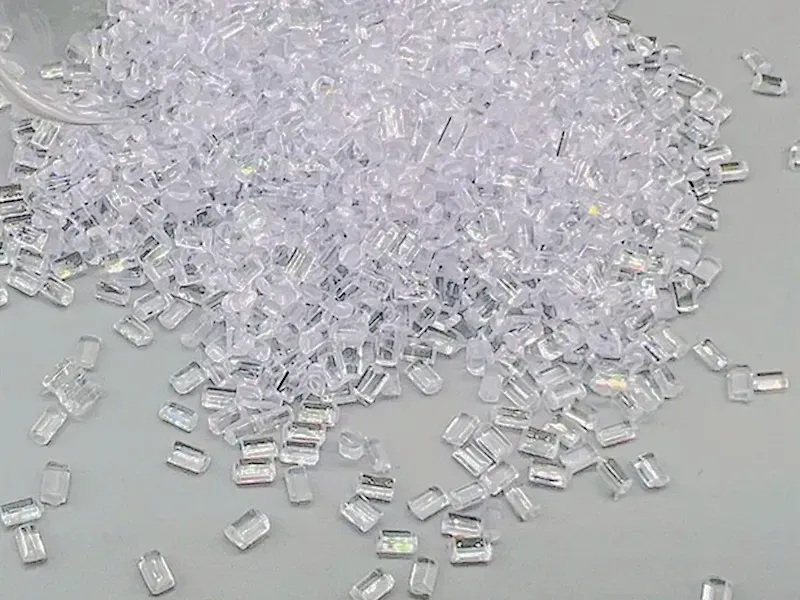
High-clarity PETG molding with superior impact resistance and chemical stability. We deliver medical-grade precision and high-volume consistency for complex, durable transparent assemblies.
Learn More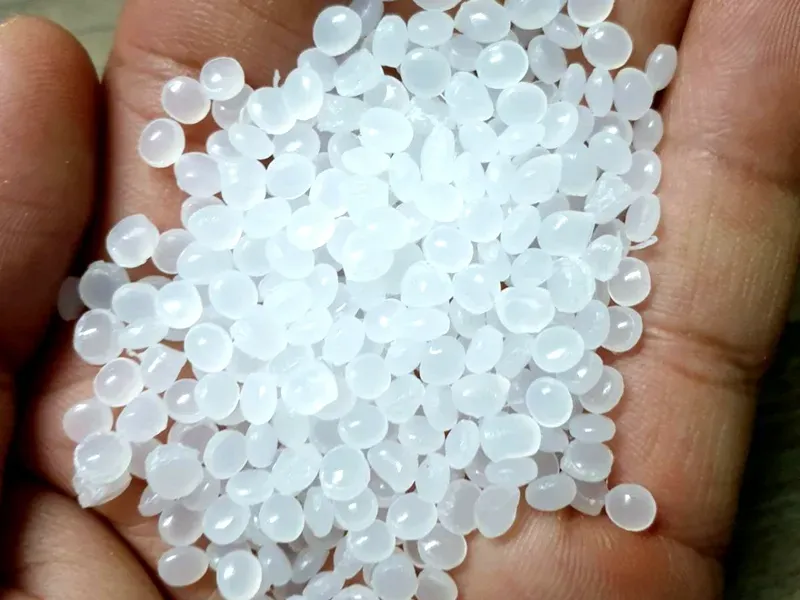
LLDPE
Mastering LLDPE’s high-shrinkage for precise, tear-resistant flexible components. High-volume production with advanced thermal control and integrated insert molding.
Learn More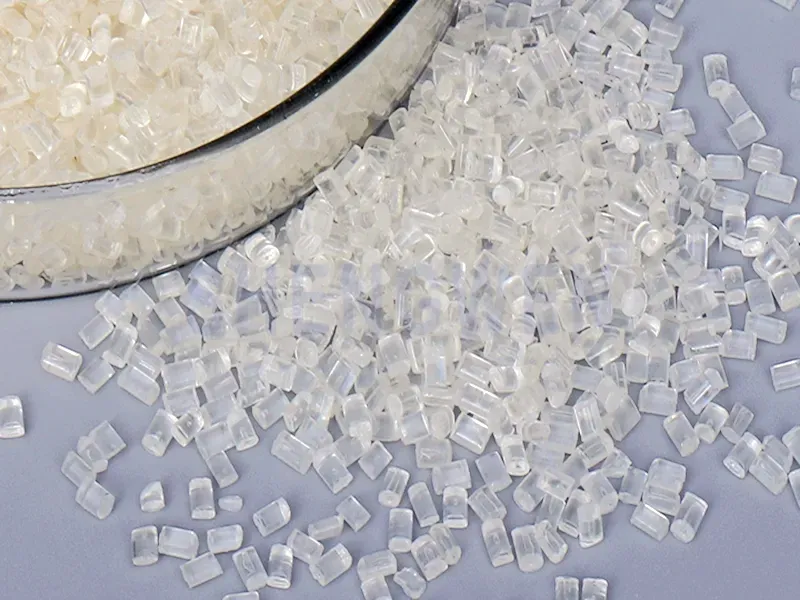
Polysulfone (PSU)
Master PSU injection molding with crystal-clear precision and 174°C thermal stability for high-volume, medical-grade production runs.
Learn More
PC ABS
Engineered PC+ABS solutions combining extreme impact strength with superior heat resistance. We leverage IATF-certified precision to deliver high-volume, zero-defect structural components.
Learn MoreRequest DFM EvaluationAccess Full Material Data SheetsTECHNICAL REFERENCEFrequently Asked Questions
Answers to common questions regarding precision, tooling, materials, and our integrated molding capabilities.We utilize scientific molding and high-efficiency cooling circuits to manage PP’s high crystallization rates. By optimizing wall thickness and holding pressure, we ensure dimensional stability and prevent the differential shrinkage that typically causes warping in large-format parts.
Yes. We specialize in designing and molding PP living hinges that withstand millions of flex cycles. Our engineers optimize gate placement and melt temperature to ensure proper molecular alignment across the hinge area, preventing stress whitening or failure.
We manufacture components using FDA-compliant and medical-grade Polypropylene resins. Our IATF 16949 certified processes ensure that products for healthcare and food packaging meet rigorous safety, hygiene, and chemical resistance standards for global markets.
To overcome Polypropylene’s natural resistance to adhesives and inks, we provide atmospheric plasma and corona surface treatments. These processes increase surface tension, allowing for high-strength bonding, ultrasonic welding, and permanent pad printing or laser marking.
We process custom Polypropylene compounds with up to 40% glass fiber reinforcement. This significantly increases the material’s tensile strength, creep resistance, and heat deflection temperature, making it suitable for structural automotive and industrial hardware applications.
Through real-time cavity pressure monitoring and decoupled molding techniques, we maintain lot-to-lot consistency. This closed-loop system allows us to detect and correct processing variations instantly, ensuring every part meets the specified weight and dimensional tolerances.
Our vertical and horizontal insert molding capabilities allow us to chemically and mechanically bond PP to metal components. This is ideal for automotive fluid reservoirs or electrical housings that require the chemical resistance of PP with the structural strength of metal.
Standard production tooling typically ranges from 3 to 6 weeks depending on part complexity and cavity count. We utilize premium H13 or S136 steel for our molds to ensure longevity and repeatable precision over millions of injection cycles.

Still have questions?
Our engineering team loves solving complex problems. Chat with us or send your drawing for a review.
Request DFM EvaluationReady to Manufacture With One Accountable Factory?
From in-house tooling to high-volume production — stamping, molding, plating and assembly under one IATF 16949 roof. Send your spec and volume, get a quote within 24 hours.