
Dimensional-Stable Metal Brushing & Hairline Finishing Solutions
Overcoming common mechanical finishing defects such as directional shadowing and uneven edge burrs on complex geometries, we engineer highly repeatable grain consistency across high-volume production runs. By utilizing advanced automated brushing lines and precision-controlled abrasive media, our w…
Overcoming common mechanical finishing defects such as directional shadowing and uneven edge burrs on complex geometries, we engineer highly repeatable grain consistency across high-volume production runs. By utilizing advanced automated brushing lines and precision-controlled abrasive media, our workflows translate variable substrate topography into a perfect balance between high-end aesthetic appeal and functional surface durability. Backed by our rigorous IATF 16949-certified quality framework, we guarantee precise Ra roughness control across all post-processing stages, thereby ensuring optimal surface topology and absolute cosmetic uniformity for mission-critical robotics and consumer electronics components.
Consistent Grain: Uniform texture across high-volume production batches.Precision Deburring: Clean edges for premium tactile product quality.Customized Grits: Versatile finishes from coarse to fine satin.Enhanced Adhesion: Superior surface preparation for secondary protective coatings.Request DFM Evaluation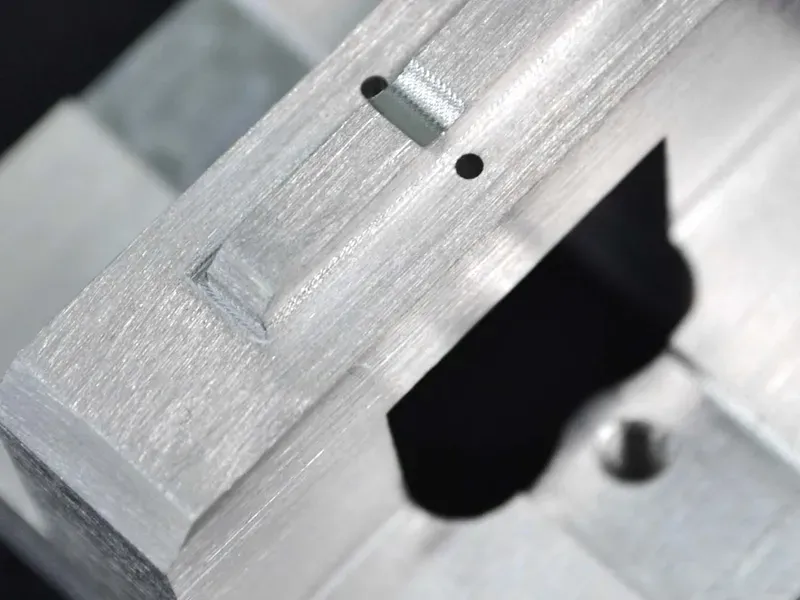
What is Metal Brushing & The Engineering of Linear Textures
Metal brushing, often referred to as hairline finishing, is a precision mechanical surface treatment that creates a unidirectional pattern of fine lines on metal substrates. Beyond its premium satin aesthetic, this process effectively masks manufacturing imperfections—such as minor scratches or weld spots—and provides a durable, low-reflectivity surface. It is the indispensable choice for high-touch robotic panels, medical device housings, and precision industrial enclosures where both tactile quality and functional durability are paramount.
Substrate Preparation & Ultrasonic Cleaning
Raw stamped or machined components undergo multi-stage degreasing and ultrasonic cleaning to remove residual manufacturing oils and particulates. This rigorous preparation ensures the abrasive media interacts directly with the base metal, preventing grain “smearing” and ensuring a sharp, deep hairline definition across every part.
Automated Abrasive Grain Application
Utilizing precision-calibrated abrasive belts or specialized flap wheels, we apply controlled mechanical pressure to generate specific linear patterns. By meticulously modulating grit sizes and feed speeds, we achieve highly repeatable Ra values and consistent grain depth, ensuring uniformity even across complex geometries in high-volume production runs.
Dust Extraction & Chemical Passivation
Following the mechanical texturing, components are treated to remove microscopic metal dust trapped within the grooves. For materials like stainless steel or aluminum, we apply a passivation layer or specialized anti-fingerprint sealant to prevent oxidation and maintain the crisp visual integrity of the hairline texture in challenging environments.
Texture Consistency & Metrology Audit
Every batch is subjected to non-contact profilometer testing and visual comparison against Master Samples. We verify grain orientation, line density, and surface roughness (Ra) to ensure the finish adheres strictly to engineering tolerances, providing a seamless tactile experience and 100% aesthetic compliance for the end-user.
Engineered Brushing & Hairline Capabilities
Kravzik delivers high-precision mechanical texturing with stringent Ra control to ensure consistent aesthetic and functional results. Our hairline finishing capabilities are optimized for high-end decorative panels, medical device housings, and high-performance robotic components, ensuring every batch meets your exact engineering specifications.
Request DFM EvaluationGrain Classifications
Long-grain Hairline (HL), No. 4 Satin Finish, Circular Brushing, and Custom Cross-hatch patterns.
Surface Roughness (Ra)
Precise Ra 0.2μm – 1.6μm control achievable through multi-stage abrasive grit modulation.
Maximum Processing Dimensions
Flat-bed capacity up to 1500mm x 3000mm; specialized 5-axis robotic brushing for complex 3D geometries.
Material Versatility
Standardized protocols for Stainless Steel (300/400 series), Aluminum (2xxx-7xxx), Brass, and Copper alloys.
Aesthetic Consistency
Strict grain orientation and density monitoring to ensure Delta E uniformity across 10,000+ unit production batches.
Post-Process Protection
In-house Anti-Fingerprint (AFP) Nano-coating, PVD preparation, and high-grade chemical passivation.
Compatible Substrates for Precision Brushing & Hairline Finishing
The integrity of a linear hairline finish is fundamentally dictated by the substrate's metallurgical hardness and thermal conductivity. Kravzik engineers calibrate abrasive pressure, belt speed, and coolant flow to address material-specific challenges—such as work-hardening in stainless steel or surface "gumming" in soft aluminum alloys—ensuring flawless grain uniformity across diverse metal grades.
The integrity of a linear hairline finish is fundamentally dictated by the substrate's metallurgical hardness and thermal conductivity. Kravzik engineers calibrate abrasive pressure, belt speed, and coolant flow to address material-specific challenges—such as work-hardening in stainless steel or surface "gumming" in soft aluminum alloys—ensuring flawless grain uniformity across diverse metal grades.
The industry standard for premium medical devices, food-grade equipment, and high-end architectural panels. To prevent “tea-staining” and work-hardening, we utilize specialized low-heat abrasive techniques. Our dedicated stainless-only production lines eliminate cross-contamination from carbon steel particles, preserving the alloy’s inherent corrosion resistance and ensuring a pristine, contamination-free satin finish.
Aluminum Alloys (5052, 6061, 7075)
Essential for lightweight robotic chassis, aerospace components, and consumer electronic enclosures. Addressing aluminum’s high thermal expansion and tendency to “load” abrasive media, we employ high-frequency extraction and specialized lubricants. This prevents surface smearing and ensures sharp, distinct hairline definition even on high-strength 7xxx series alloys while maintaining critical dimensional tolerances.
Brass & Copper Alloys (C260, C360, C110)
Specified for high-aesthetic luxury interfaces, musical instruments, and conductive electrical hardware. Due to the high ductility and oxidation rate of yellow metals, we apply ultra-fine, multi-stage brushing with reduced mechanical load to avoid surface deformation. Each component is immediately treated with a micro-thin anti-tarnish sealant to lock in the warm, brushed luster and prevent atmospheric discoloration.
Cold-Rolled Carbon Steel (SPCC, 1018)
A cost-effective choice for industrial enclosures, automotive brackets, and heavy-duty mechanical mounts. To combat the immediate oxidation risk of bare carbon steel, our brushing process is synchronized with an inline dry-film inhibitor or rapid-passivation cycle. This creates a high-surface-area mechanical anchor that significantly enhances the adhesion and salt-spray performance of subsequent plating or powder coating layers.
Essential Design Guidelines & Brushing Limitations
Proactive design optimization prevents manufacturing defects and ensures aesthetic consistency across your production run. Consider these critical mechanical and geometric factors before finalizing your CAD models for the brushing and hairline process.
Brushing is a directional mechanical process that requires direct contact between the abrasive media and the substrate. Deep recesses, sharp interior corners, and complex concave geometries may not receive a uniform grain due to physical access limits of the belts or wheels. We recommend designing with open, accessible surfaces or consulting our team for specialized 5-axis robotic brushing on complex 3D components.
The friction generated during high-speed mechanical texturing produces localized heat. For thin-gauge metal stampings (typically below 0.8mm), excessive mechanical pressure can lead to warping, “oil-canning,” or surface deformation. Kravzik engineers utilize precision cooling and rigid fixturing to mitigate this, but we advise a multi-pass, lighter-grit approach for ultra-thin decorative panels.
Linear brushing naturally interacts with part edges, which can create minute “wire burrs” or cause slight rounding of sharp corners as the abrasive media exits the surface. To ensure a premium tactile experience, we suggest incorporating a slight chamfer or 0.3mm radius on outer edges. This allows for a smoother transition, preventing grain “tear-out” and ensuring a clean, burr-free finish.
Unlike plating, brushing is a subtractive process that removes a micro-layer of the base metal (typically 5μm to 15μm depending on grit size). For precision-machined components with critical dimensional tolerances, this removal must be factored into your pre-finish specifications. Always specify if your engineering tolerances apply “pre-brush” or “post-finish” to ensure perfect mechanical mating in final assembly.
VISUAL EXCELLENCEData-Driven Showcase: Engineered Mechanical Textures
The tactile quality, light reflectivity, and scratch-masking capabilities of a brushed component are dictated by the specific abrasive grit, mechanical pressure, and grain orientation. Explore our standardized finishing profiles to identify the precise aesthetic and functional specifications required for your specific engineering assembly.
MECHANICAL TEXTURINGLong-Grain Hairline (HL)
Continuous GrainPremium AestheticLow ReflectivityDirectionalThe Long-Grain Hairline finish is achieved through specialized continuous-belt abrasive systems, producing an "infinite" linear texture across the metal substrate. This process is engineered for high-visibility decorative panels where a seamless visual flow and sophisticated metallic luster are required to define the product's premium positioning.
Grain MorphologyContinuous Unidirectional LinesGrit Specification180# – 320# Abrasive BeltsSurface Roughness (Ra)0.4μm – 0.8μm (Controlled)Optical ReflectivityLow-Specular / Soft LusterPrimary BenefitSuperior mask for linear manufacturing marksIdeal ForHigh-end consumer electronics, architectural elevator panels, and large-format robotic enclosures.INDUSTRIAL SATIN FINISHSatin / No. 4 Finish
Short GrainHigh DurabilityEasy MaintenanceAnti-FingerprintThe Satin or No. 4 finish utilizes oscillating abrasive media to produce shorter, overlapping linear marks. This creates a muted, non-directional appearance that is exceptionally resilient to heavy-duty industrial wear. It is the gold standard for functional hardware, providing a robust surface that hides fingerprints and resists environmental tarnishing.
Grain MorphologyShort / Broken Linear TextureGrit Specification120# – 240# Flap WheelsSurface Roughness (Ra)0.8μm – 1.6μmOptical ReflectivityDiffused / Matte AppearancePrimary BenefitExceptional resistance to tactile wear and oilsIdeal ForIndustrial machinery handles, commercial kitchen hardware, and heavy-duty structural brackets.PRECISION MICRO-TEXTUREUltra-Fine Micro Brushing
High DefinitionSoft TouchAnti-GlareMedical GradeUtilizing ultra-fine abrasive pads and high-frequency robotic movement, Micro Brushing produces an almost velvety metallic surface. This precision process minimizes light glare and provides a premium "soft-touch" feel, specifically engineered for components that require a non-abrasive tactile experience and strict clinical hygiene standards.
Grain MorphologyMicro-Linear / Velvet SatinGrit Specification400# – 800# Specialized MediaSurface Roughness (Ra)< 0.2μm (Precision Polished)Optical ReflectivitySemi-Gloss / Satin SheenPrimary BenefitMaximum tactile comfort and glare reductionIdeal ForHandheld medical instruments, surgical equipment cases, and wearable technology interfaces. Request DFM EvaluationView Surface Treatment SolutionsSERVICES LIBRARYExplore Other Industrial Surface Treatment & Finishing Services Available
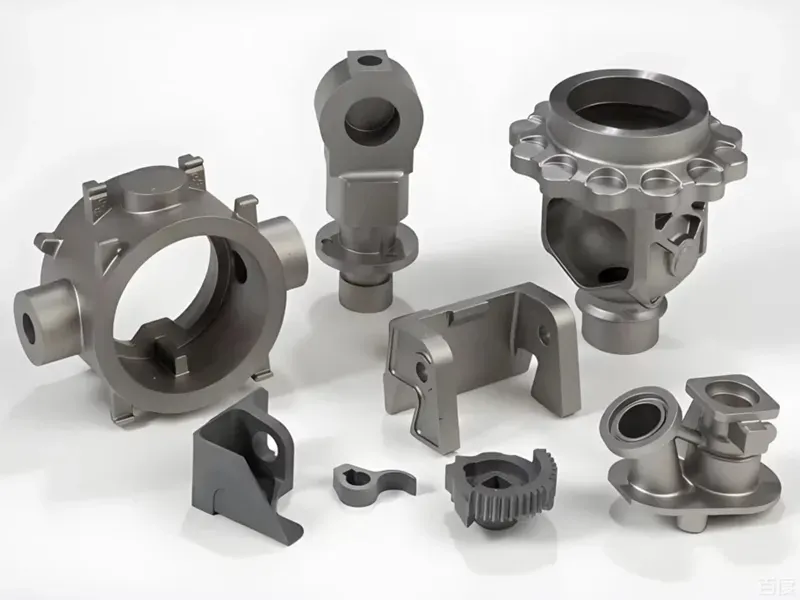
Nitriding
Forget brittle surfaces and dimensional warping. Kravzik delivers 1200 HV surface hardness while maintaining absolute ±5µm geometric precision.
Learn More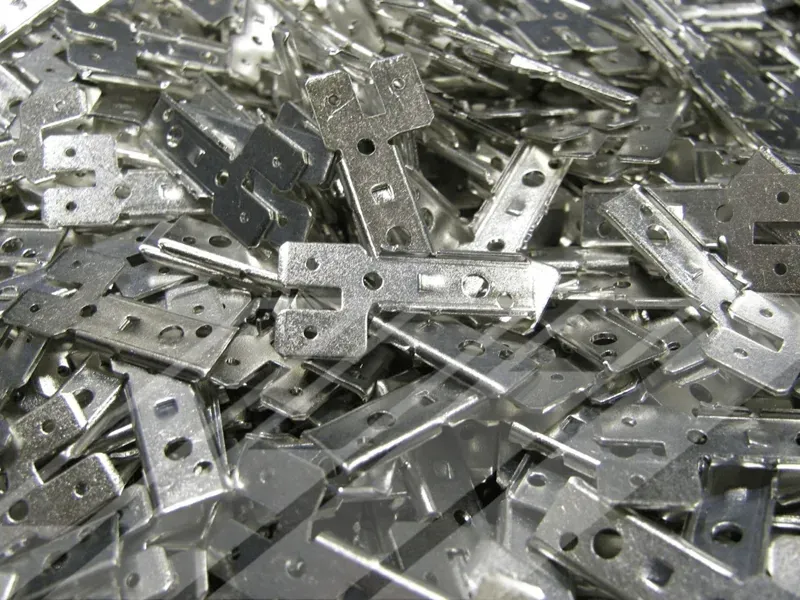
Tin Plating
Stop tin whisker failures in dense electronics. Our 150°C annealing process ensures 100% solderability for critical terminals.
Learn More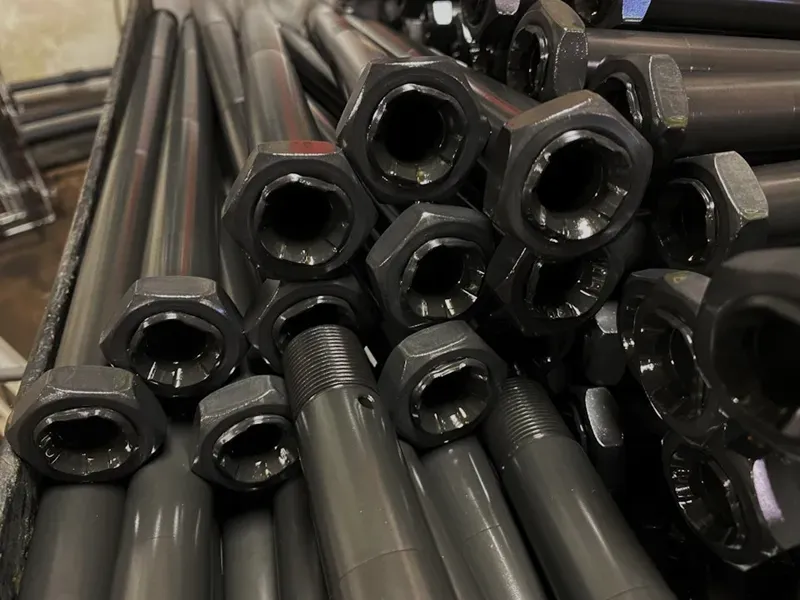
Manganese Phosphating
Stop coating peeling and metal galling on high-stress joints. Our manganese phosphating ensures 100% oil retention for smoother robotic actuator performance.
Learn MoreRequest DFM EvaluationSee More Surface TreatmentTECHNICAL REFERENCEFrequently Asked Questions
Answers to common questions regarding precision, tooling, materials, and our integrated molding capabilities.We utilize automated brushing lines with precision-calibrated abrasive pressure and speed sensors. By maintaining standardized Master Samples and conducting multi-stage Ra roughness audits, we guarantee a uniform linear texture from the first part to the last in every shipment.
Yes, our facility features 5-axis robotic brushing systems specifically designed for non-planar components. This technology allows the abrasive media to follow the exact contour of the part, ensuring a consistent grain depth even on curved or recessed surfaces.
We expertly process Stainless Steel (300/400 series), Aluminum (2xxx-7xxx), Brass, Copper, and Cold-Rolled Steel. Our material-specific protocols prevent issues like work-hardening in stainless or surface smearing in soft aluminum, delivering a crisp, high-definition finish every time.
Brushing typically removes 5μm to 15μm of material. Our engineers account for this subtractive factor during the DFM phase, ensuring your final dimensions—whether for precision-machined joints or stamped assemblies—remain strictly within your specified engineering limits post-finishing.
Following the mechanical graining process, we offer in-house Nano-AFP (Anti-Fingerprint) coatings and chemical passivation. These secondary treatments seal the microscopic grooves, preventing atmospheric corrosion and maintaining the premium aesthetic integrity of the metal in high-touch applications.
Absolutely. Our entire surface engineering workflow follows IATF 16949-grade management systems. This includes rigorous incoming material inspection, process-controlled abrasive grit management, and 100% visual metrology audits to meet the exacting requirements of the medical and automotive sectors.
We employ specialized exit-angle control and secondary deburring cycles to eliminate microscopic wire burrs created by the abrasive media. This ensures that every part provides a safe, smooth, and premium tactile experience without compromising the sharpness of your design.
Kravzik offers a complete vertical solution, from mold development and metal stamping to final hairline finishing. By managing the entire production cycle under one roof, we eliminate cross-contamination risks, reduce lead times, and ensure total structural and aesthetic alignment.

Still have questions?
Our engineering team loves solving complex problems. Chat with us or send your drawing for a review.
Request DFM EvaluationReady to Manufacture With One Accountable Factory?
From in-house tooling to high-volume production — stamping, molding, plating and assembly under one IATF 16949 roof. Send your spec and volume, get a quote within 24 hours.