
Advanced PEI (Ultem) Injection Molding: Engineered for High-Heat Structural Stability & Flame Retardancy
Processing Polyetherimide (PEI) demands exceptional thermal and rheological control due to its high melt viscosity and extreme sensitivity to molded-in residual stress, which can cause severe micro-structural cracking under mechanical loads. We systematically master these high-heat processing compl…
Processing Polyetherimide (PEI) demands exceptional thermal and rheological control due to its high melt viscosity and extreme sensitivity to molded-in residual stress, which can cause severe micro-structural cracking under mechanical loads. We systematically master these high-heat processing complexities by utilizing specialized high-temperature bimetallic barrel units and precise mold oil heater systems, achieving molded-in residual stress elimination and ensuring complete amorphous density without material degradation. By optimizing multi-stage velocity-to-pressure transfer profiles and maintaining continuous -40°C dew point desiccant drying to prevent hydrolysis, our IATF 16949 compliant manufacturing system delivers absolute dimensional stability and uncompromised dielectric strength for critical components in automotive and demanding industrial applications.
Authentic Material: 100% Certified SABIC Ultem™ Resins.High-Heat Mastery: Specialized oil thermolators & annealing.Complex Solutions: Expert Insert Molding & Metal Replacement.Stress Relief: Ramp-soak annealing prevents delayed cracking.Request DFM Evaluation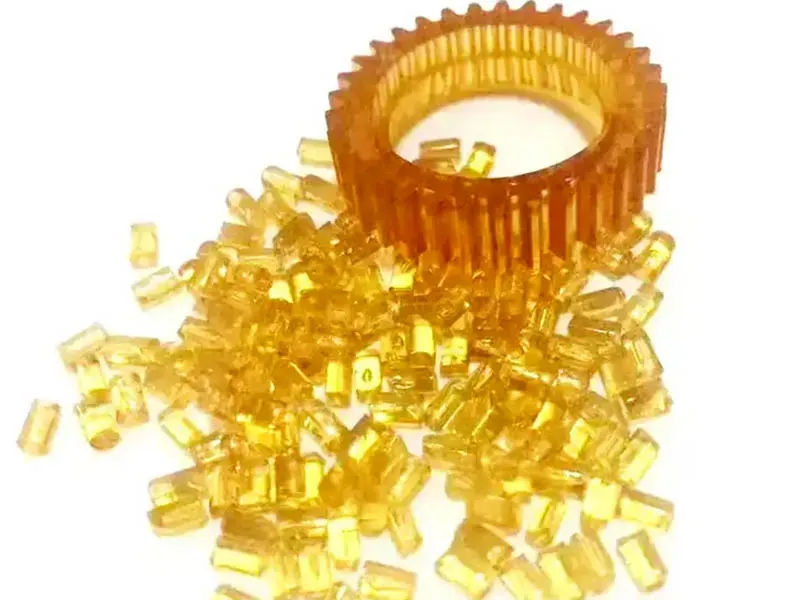
Why PEI Projects Fail with Generalist Molders
Polyetherimide (Ultem™) is not just another plastic. It is an unforgiving, high-value thermoplastic that demands specialized infrastructure. Choosing a partner who treats PEI like ABS or Nylon is a recipe for disaster.
The High Cost of Material Scrap
Genuine Ultem™ resin represents a significant investment where every rejected shot erodes your project budget. Inexperienced molders often struggle with process stability, resulting in silver streaks, black specks, and high rejection rates that jeopardize production efficiency.
Consequence: Immediate budget depletion due to excessive high-value material wastage.
The "Invisible Killer": Internal Stress
Components may appear perfect post-molding but often harbor massive internal stresses. Failure to maintain precise mold temperatures (135°C+) or perform mandatory post-mold annealing creates brittle parts that cannot withstand the rigors of secondary processes.
Consequence: Catastrophic part shattering during autoclave sterilization or mission-critical use.
Thermal-Induced Dimensional Instability
PEI’s extreme processing temperatures create significant thermal challenges that standard tooling cannot handle. Poorly engineered gate designs or inadequate cooling fixtures lead to unpredictable shrinkage and warping, making it impossible to meet tight tolerances.
Consequence: Precision connectors and electronic housings rendered unusable due to dimensional drift.
Equipment-Driven Material Degradation
Standard injection screws are ill-equipped for Ultem’s high viscosity and abrasive glass-filled grades. Utilizing general-purpose machinery leads to excessive shear heat and polymer degradation, destroying the material’s properties before it even enters the mold cavity.
Consequence: Compromised mechanical integrity and failure to meet certified performance standards.
Don't let manufacturing risks derail your project. You don't just need a supplier who can run a machine; you need an engineering partner who masters the complex science of precision PEI Injection Molding.
Why Choose UsThe Ultem™ Authority: 4 Pillars of Our Manufacturing Standard
We don't just mold plastic; we engineer performance. Our purpose-built infrastructure addresses the specific physical and thermal challenges of processing Polyetherimide, ensuring structural integrity from the first shot to the last.
Pure Resin, Zero Degradation
Exclusively certified SABIC resins handled by honeycomb desiccant dryers. We maintain a dew point below -40°C to eliminate hydrolysis risks and maximize mechanical strength.
The Metal-Plastic Synergy
In-house stamping meets insert molding. We master CTE mismatch using induction pre-heating to create seamless, void-free bonds between metal inserts and PEI.
Thermal Stability Control
High-capacity Oil Thermolators maintain mold temps at 135°C-170°C. Dedicated annealing ovens perform post-mold stress-relief cycles to prevent delayed cracking.
Engineer-to-Engineer
Scientific Molding data transparency. From Mold Flow Analysis to full Lot Traceability, we provide the documentation required for AS9100 and ISO 13485 compliance.
PEI Material Matrix: Grade Selection & Process Compatibility
Choosing the correct Ultem™ grade is the difference between optimal performance and structural failure. We source exclusively from SABIC and optimize processing parameters for the four primary PEI categories.
| PEI Grade | Series Category | Reinforcement / Blend | Key Properties & Focus | HDT @ 1.82 MPa | Flexural Modulus | Primary Applications |
|---|---|---|---|---|---|---|
| Ultem™ 1000 | 1000 Series (Standard) | None (Unfilled) | High heat resistance, transparency, inherently flame retardant (V-0) | 198°C (388°F) | 3,500 MPa | Electrical insulators, connectors, medical reusable devices |
| Ultem™ 2100 | 2000 Series (Structural) | 10% Glass Fiber | Enhanced rigidity, improved dimensional stability over unfilled grades | 210°C (410°F) | 4,500 MPa | High-load fasteners, precision mechanical components |
| Ultem™ 2200 | 2000 Series (Structural) | 20% Glass Fiber | High stiffness-to-weight ratio, excellent chemical resistance | 210°C (410°F) | 6,000 MPa | Pump impellers, HVAC components, fluid engineering parts |
| Ultem™ 2300 | 2000 Series (Structural) | 30% Glass Fiber | Extreme rigidity, ultimate dimensional stability, low CTE | 212°C (414°F) | 9,000 MPa | Structural housings, EV high-voltage busbars, metal replacement |
| Ultem™ 9085 | 9085 Series (Aerospace) | PC/PEI Blend | Flame, Smoke, and Toxicity (FST) compliance, FAR 25.853 certified | 153°C (307°F) | 2,200 MPa | Aircraft interiors, environmental control ducting, galley equipment |
| Ultem™ HU1000 | HU Series (Healthcare) | None (Unfilled) | Biocompatibility (ISO 10993), exceptional autoclave resistance (500+ cycles) | 198°C (388°F) | 3,500 MPa | Surgical instrument handles, sterilization trays, medical stopcocks |
The High-Performance Showdown: PEI (Ultem™) vs. The Alternatives
Engineers often face the dilemma of over-engineering with PEEK or compromising with lower-grade sulfones. PEI occupies the "Sweet Spot"—delivering aerospace performance without the astronomical price tag.
| Material Option | Relative Cost Profile | Continuous Use Temp. | Tensile Strength (Yield) | Engineering Verdict & Best For |
|---|---|---|---|---|
| PEI (Ultem™) | $$$ (The "Sweet Spot") | 170°C (338°F) | 105 MPa | Best All-Rounder: Exceptional dielectric strength, FST compliance, and structural rigidity. Delivers aerospace-grade performance without the astronomical price tag. |
| PEEK (Polyetheretherketone) | $$$$$ (Premium) | 260°C (500°F) | 100 MPa | Extreme Heat (>200°C): Ultimate thermal and chemical resistance. Often over-engineered; costs 3-4x more than PEI for applications where PEI would easily suffice. |
| PPSU (Polyphenylsulfone) | $$$$ (High) | 180°C (356°F) | 70 MPa | Impact & Sterilization: Superior impact toughness and unlimited autoclave cycles. However, it compromises on tensile strength and rigidity compared to PEI. |
| PSU (Polysulfone) | $$ (Moderate) | 150°C (302°F) | 70 MPa | General High-Heat: A lower-grade sulfone good for hot water exposure, but highly susceptible to crazing and failure under load compared to PEI. |
| Aluminum (e.g., 6061-T6) | $$ (High Machining Cost) | >300°C (572°F) | Varies (High) | Heat Sinks / High Load: Requires secondary machining and finishing. PEI offers a competitive strength-to-weight ratio at 50% of the weight with inherent electrical insulation. |
Applied Manufacturing & Technical Validation
Review our documented production records across injection molding and metal component integration. Examine how we resolve complex geometric challenges and strictly control critical dimensions to ensure structural and functional reliability in demanding environments.
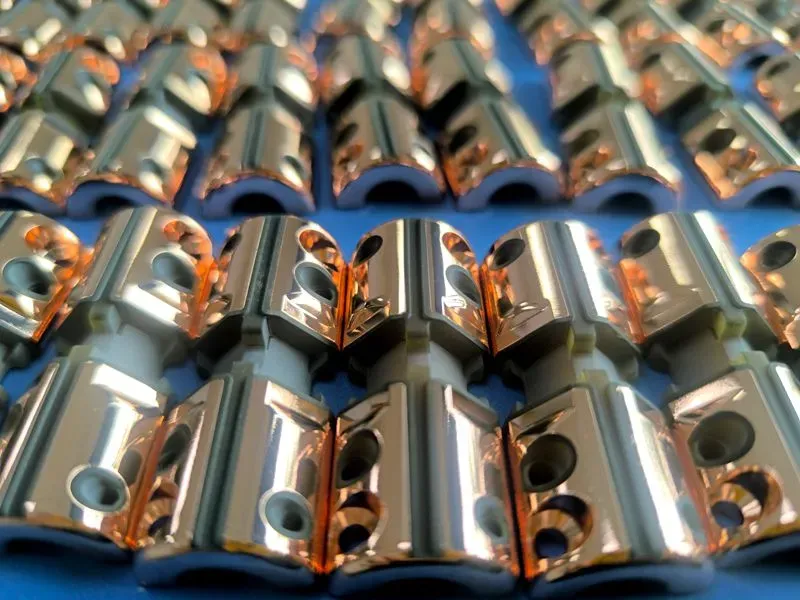
Overcoming RF Leakage: Engineering Zero-Gap Balun Assemblies for MRI Diagnostics
Client Type Leading Tier-1 Medical Imaging OEMProduction Volume 15,000+ units/yearMaterial Used Unfilled Polyetherimide (PEI)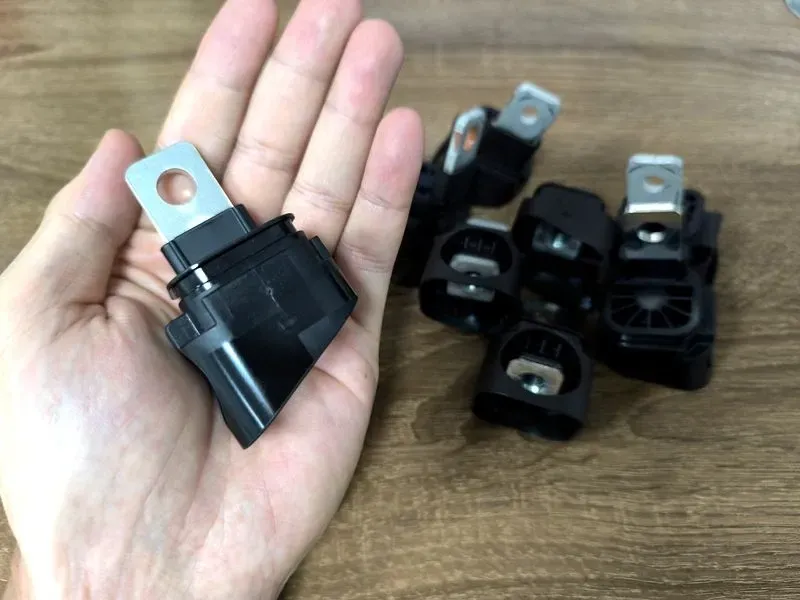
Overcoming CTE Mismatch: Engineering 800V Busbar Terminals for Commercial EVs
Client Type Leading Heavy-Duty Commercial EV Manufacturer - Tier 1Production Volume 250,000+ units/yearMaterial Used High-Purity C11000 Copper & PA6 GF30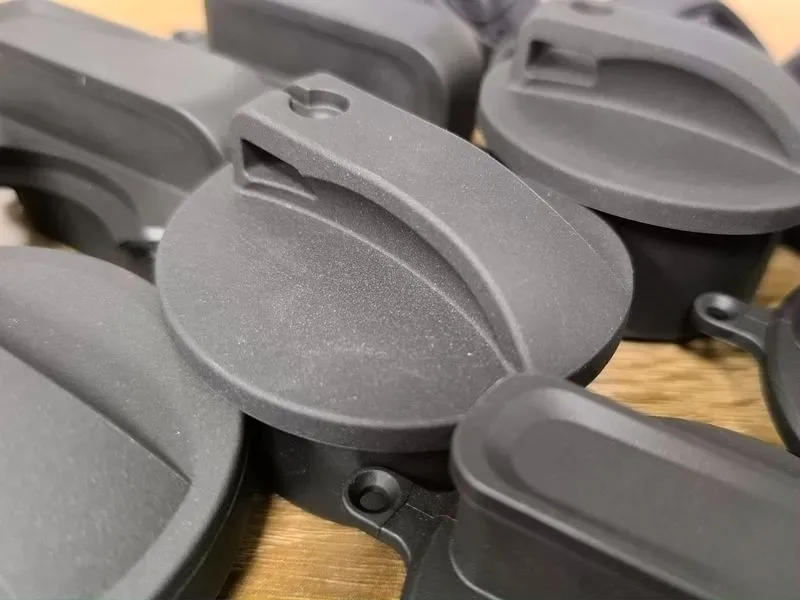
Solving Material Fatigue: Engineering a Monolithic FR-TPU Dust Cover for NEV Platforms
Client Type Leading Chinese NEV Manufacturer (Tier 1)Production Volume 500,000+ units/yearMaterial Used Custom Polyether-based FR-TPU (UL94 V-0)Request DFM EvaluationSee More Case StudiesRESIN CAPABILITIESDeploy Advanced Multi-Material Injection Molding Capabilities
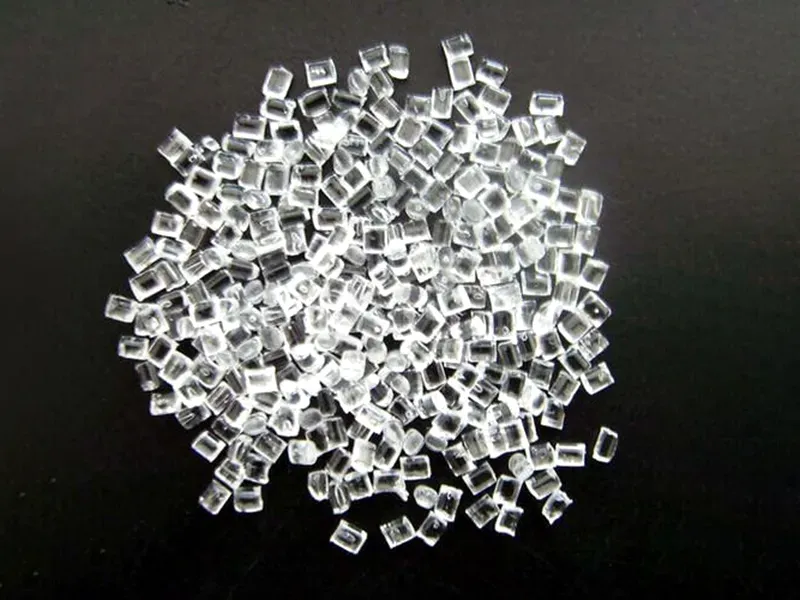
PC Injection Molding
Expert polycarbonate injection molding & in-house stamping. ISO 9001 & IATF 16949 certified. Turnkey PC solutions for optical, medical, and automotive parts.
Learn More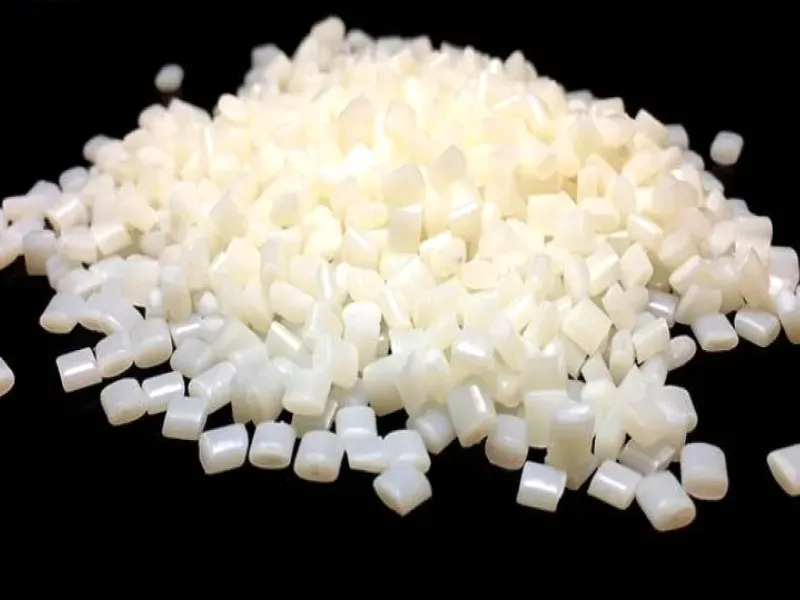
Nylon Injection Molding
IATF 16949 certified source factory mastering PA6, PA66, and PPA. We deliver warp-free, dimensionally stable nylon components utilizing in-house moisture conditioning and bimetallic presses.
Learn More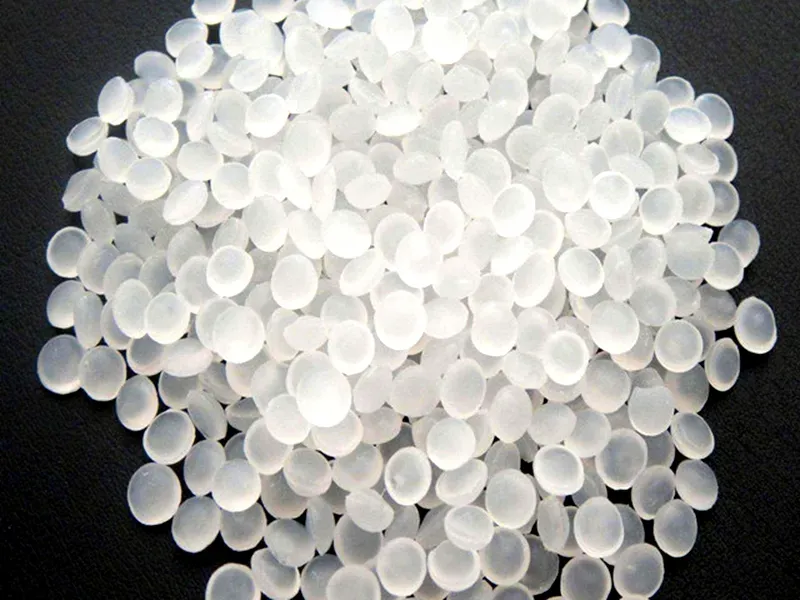
PP Injection Molding
IATF 16949 certified PP injection molding controlling aggressive shrinkage. From durable living hinges to high-volume 800T automotive components.
Learn More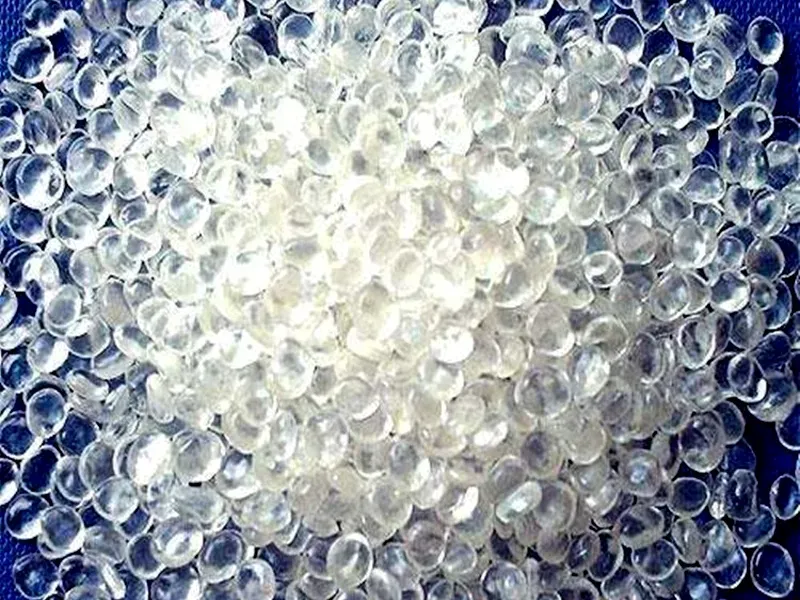
TPU Injection Molding
Master of TPU injection and overmolding. Utilizing 30+ specialized machines to deliver high-precision, defect-free elastomer components.
Learn MoreRequest DFM EvaluationExplore More Molding ServicesTECHNICAL REFERENCEFrequently Asked Questions
Answers to common questions regarding precision, tooling, materials, and our integrated molding capabilities.PEI is highly hygroscopic. We utilize honeycomb desiccant dryers to maintain a continuous dew point of -40°C, ensuring moisture content stays below 0.02% before molding begins. This strict material hygiene protocol prevents polymer chain degradation and eliminates structural failures.
Yes. We solve the Coefficient of Thermal Expansion (CTE) mismatch by using induction pre-heating on all metal inserts before vertical overmolding. This creates a seamless, void-free bond between the metal and the PEI resin, completely eliminating delayed stress cracking.
Our Ultem HU1000 components are engineered to survive over 500 steam autoclave cycles without crazing or cracking. We achieve this extreme durability through flash-free tooling and a mandatory ramp-soak annealing process that perfectly relieves internal molded-in stress.
We manufacture Class 101/102 molds in-house using genuine Swedish or Japanese high-hardened steel. By combining direct manufacturing advantages with specialized hot runner systems to minimize expensive PEI material waste, we typically deliver 40% to 60% savings on tooling.
Absolutely. Ultem 9085 offers an exceptional strength-to-weight ratio and fully complies with FAR 25.853 FST regulations. Through advanced processes like gas-assist injection molding, we successfully convert aluminum components to PEI, reducing part weight by up to 40% while maintaining structural integrity.
We exclusively source 100% certified authentic SABIC Ultem resins. Every batch comes with complete lot traceability and material property verification through our in-house quality assurance lab. This transparency is standard for our IATF 16949 and AS9100 compliant manufacturing.
We consistently maintain tight tolerances down to ±0.01mm. This is achieved using all-electric Sumitomo injection units, rigorous thermal equilibrium mold mapping via infrared cameras, and automated dimensional metrology validation using Zeiss CMM equipment.
We rely on Scientific Decoupled Molding and real-time cavity pressure monitoring. In-mold sensors track the pressure curve of every single shot. If a shot deviates from the validated master curve, robotic systems automatically segregate the suspect part, guaranteeing zero-defect shipments.

Still have questions?
Our engineering team loves solving complex problems. Chat with us or send your drawing for a review.
Request DFM EvaluationReady to Manufacture With One Accountable Factory?
From in-house tooling to high-volume production — stamping, molding, plating and assembly under one IATF 16949 roof. Send your spec and volume, get a quote within 24 hours.