
High-Capability HDPE Injection Molding: Maximized Impact Strength & Chemical Resistance
Processing High-Density Polyethylene (HDPE) presents severe dimensional challenges due to its notorious 1.5% to 3.0% shrinkage rates and high susceptibility to environmental stress cracking, which we systematically conquer through non-linear tool compensation and rigorous melt-index verification. B…
Processing High-Density Polyethylene (HDPE) presents severe dimensional challenges due to its notorious 1.5% to 3.0% shrinkage rates and high susceptibility to environmental stress cracking, which we systematically conquer through non-linear tool compensation and rigorous melt-index verification. By utilizing scientific molding with multi-stage holding profiles and precise cooling channel thermal management, we optimize molecular orientation during crystallization, achieving environmental stress cracking elimination even across complex, thick-walled geometries. This highly controlled rheological execution forms the backbone of our IATF 16949 compliant infrastructure, ensuring uncompromised structural integrity and exceptional long-term stability for demanding automotive and industrial fluid-handling reservoirs.
Precision Warpage Control: Expert mold flow analysis & conformal cooling strategies.Resin Integrity: Direct partnerships with ExxonMobil, SABIC, & Sinopec.50T – 1,200T Capacity: Versatile fleet for small caps to large-scale pallets.One-Stop Manufacturing: In-house tooling, insert molding, & assembly.Request DFM EvaluationSee Material Database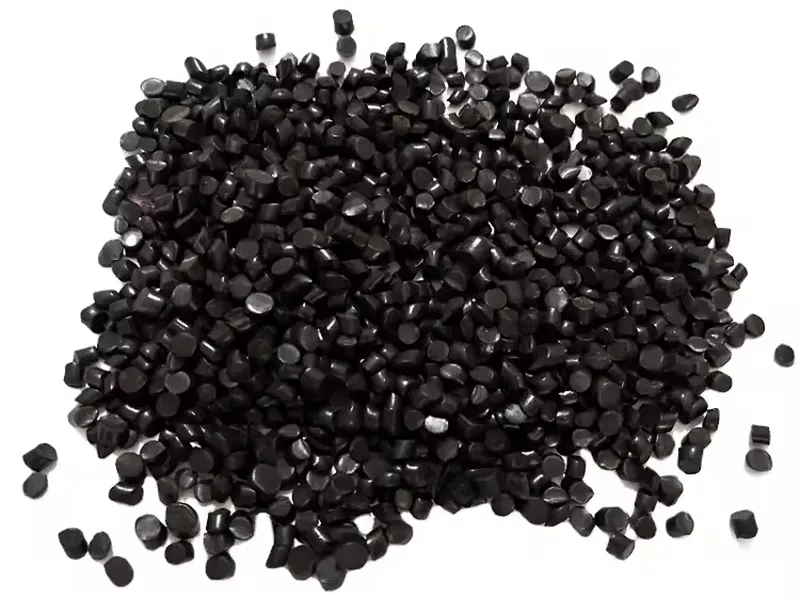
Hidden Risks in HDPE Molding: Why Projects Fail & How We Prevent It
High-density polyethylene is notorious for its high shrinkage and processing sensitivity. Without specialized engineering, even the best designs can result in costly failures.
The Shrinkage Trap
HDPE features a high natural shrinkage rate of 1.5% – 3.0%, making dimensional stability a significant engineering challenge, particularly for large, flat geometries that require tight tolerances.
Parts warp immediately upon ejection or undergo delayed deformation within 24 hours, resulting in critical assembly failures and poor fitment that compromise the final product’s integrity.
Environmental Stress Cracking
Not all HDPE grades are chemically resistant; standard resins often lack the specialized molecular structure required to withstand prolonged exposure to detergents, oils, or industrial chemicals.
Micro-cracks develop over time during field use, leading to catastrophic leaks and premature product failure when the components are deployed in demanding or corrosive environments.
The "Regrind" Roulette
Mixing undisclosed recycled material is a common industry tactic to cut costs, but it fundamentally compromises the molecular integrity and consistency of the molded part.
A significant drop in impact strength occurs, causing products to shatter under freezing temperatures or fail abruptly under sudden mechanical loads during service.
Sink Marks & Voids
Thick wall sections in HDPE freeze slowly, causing the material to pull away from the mold surface or create internal air pockets as the core remains molten longer than the skin.
Poor aesthetic quality and compromised structural density occur in load-bearing areas, which can lead to internal fractures or failure when the part is subjected to operational pressure.
Don't let manufacturing risks derail your project. You don't just need a supplier who can run a machine; you need an engineering partner who masters the complex science of precision HDPE Injection Molding.
Why Choose UsWhy Top Brands Trust Us with Critical HDPE Components
We don’t just mold parts; we engineer solutions. By combining material science, hybrid manufacturing, and strict shrinkage management, we solve the technical challenges that generalist factories cannot.
Optimized Material Selection, Not Just "Standard Plastic"
High-Density Polyethylene varies wildly in performance, which is why we don’t just ask “what color?”; we analyze stress, temperature, and UV exposure requirements to recommend the exact ASTM-grade resin. Leveraging direct channels with top suppliers like ExxonMobil, SABIC, and Sinopec, we strictly control regrind percentages to guarantee material integrity and maintain the stated tensile strength for every component.
In-House Insert Molding for Superior Structural Integrity
While HDPE is exceptionally durable, it is prone to creep under load; we overcome this limitation by integrating our in-house metal stamping capabilities to manufacture precision metal inserts. By permanently encapsulating these inserts within the HDPE part to create reinforced connection points, we provide a single-source solution for complex hybrid components that eliminates “stripped threads” and tolerance stack-up.
Mastering the 3% Shrinkage Challenge
HDPE shrinks significantly between 1.5% and 3.0%, a factor that leads to warped boxes and ill-fitting lids without expert intervention. Our engineering team applies non-linear shrinkage compensation and designs conformal cooling systems based on advanced Moldflow simulation, ensuring that large flat parts remain dimensionally stable from the first shot to the millionth.
Engineer-to-Engineer. No Middlemen.
Stop playing “telephone” with trading companies and work directly with our technical team who understands the specific nuances of your project. We provide full transparency on mold ownership, maintenance schedules, and production data, resulting in faster issue resolution, transparent costing, and complete IP protection for your custom components.
Optimizing HDPE Performance: Resin to Molding
Success starts with the right resin. We navigate the trade-offs between stiffness, impact strength, and flow rates to engineer the perfect specialized formula for your application.
| Performance Profile | The "Structural Load Bearer" | The "Shock Absorber" | The "Hygienic Balance" |
|---|---|---|---|
| Primary Focus | Maximum Rigidity | Extreme Durability | Flow & FDA Compliance |
| Reference Grade | Unipol™ DMDA 8007 | Dow DMDA 8907 | Marlex® 9006 |
| Density (g/cm³) | 0.967 | 0.940 - 0.950 | 0.955 |
| Tensile Strength (MPa) | 31.0 | 24.0 (High Impact Profile) | 28.0 |
| Elongation at Break | ~800% | 1,100% | ~900% |
| Thermal / Environment | Standard Industrial Use | -20°C Resilient (Freezer Safe) | Autoclavable / Wash-down Safe |
| Regulatory & Compliance | Industrial / REACH Compliant | Heavy-Duty Logistics Standards | FDA Food Contact, Medical Safe |
| Processability | Standard Melt Flow Index | Optimized for Thick-wall Sections | High Flow Rate |
| Ideal Applications | Heavy-duty pallets, stacking crates, industrial housings. | Tote bins, cold-chain containers, drop-test critical parts. | Food storage, medical waste bins, thin-walled caps. |
| Molding & Engineering Insight | High density = high shrinkage. We use aggressive cooling fixtures to prevent warp. | We optimize gate locations to orient molecules for maximum stress resistance. | Excellent flow allows for thinner walls, reducing weight and cycle time. |
HDPE vs. LDPE vs. LLDPE: Which Polyethylene is Right for Your Mold?
Polyethylene isn't a single material—it's a spectrum. From the rigid strength of HDPE to the flexible snap of LDPE, choosing the wrong density can lead to immediate part failure or mold locking.
| Property | HDPE (Rigid) | LLDPE (Tough) | LDPE (Soft) |
|---|---|---|---|
| Alias / Role | "The Skeleton" | "The Skin" | "The Muscle" |
| Core Characteristics | Rigid, strong, and highly crystalline. It holds its shape under load. | Incredible tear resistance and impact toughness. It stretches before it breaks. | Soft, flexible, and pliable. It returns to shape after squeezing. |
| Density (g/cm³) | 0.941 - 0.965 | 0.915 - 0.925 | 0.910 - 0.940 |
| Stiffness (Flex Modulus) | High | Medium | Low |
| Heat Deflection | ~85°C | ~50°C | ~45°C |
| Shrinkage Rate | 1.5% - 3.0% | 1.5% - 2.5% | 1.5% - 3.5% |
| Ideal Applications | Structural parts, pallets, heavy-duty crates. | Snap-on lids, bins, parts needing high ESCR. | Squeeze bottles, flexible hinges, soft caps. |
| Molding Insight & Cautions | Avoid "thicker is better" myth to prevent voiding. Use smart ribbing to maintain rigidity. | Excellent stress crack resistance; requires optimization for mold release. | Flow vs. cross-flow shrinkage varies drastically. Never swap with HDPE without DFM review. |
Applied Manufacturing & Technical Validation
Review our documented production records across injection molding and metal component integration. Examine how we resolve complex geometric challenges and strictly control critical dimensions to ensure structural and functional reliability in demanding environments.
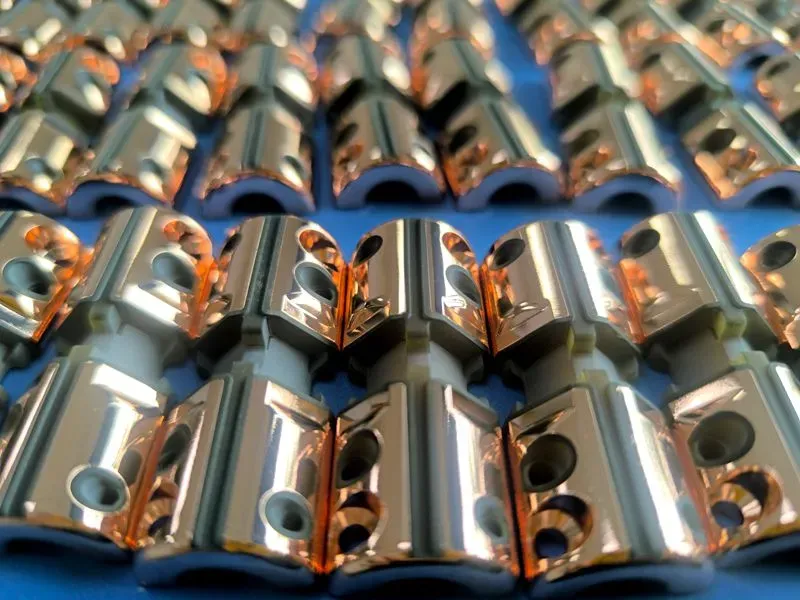
Overcoming RF Leakage: Engineering Zero-Gap Balun Assemblies for MRI Diagnostics
Client Type Leading Tier-1 Medical Imaging OEMProduction Volume 15,000+ units/yearMaterial Used Unfilled Polyetherimide (PEI)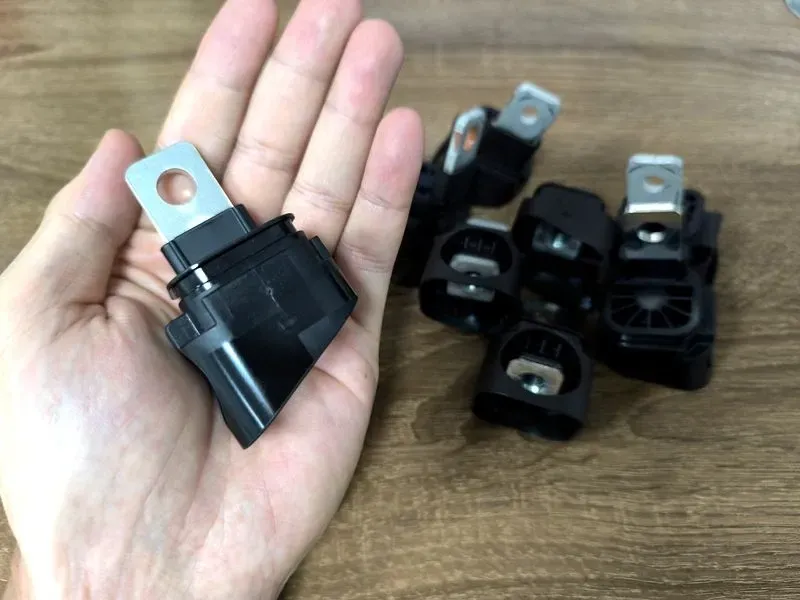
Overcoming CTE Mismatch: Engineering 800V Busbar Terminals for Commercial EVs
Client Type Leading Heavy-Duty Commercial EV Manufacturer - Tier 1Production Volume 250,000+ units/yearMaterial Used High-Purity C11000 Copper & PA6 GF30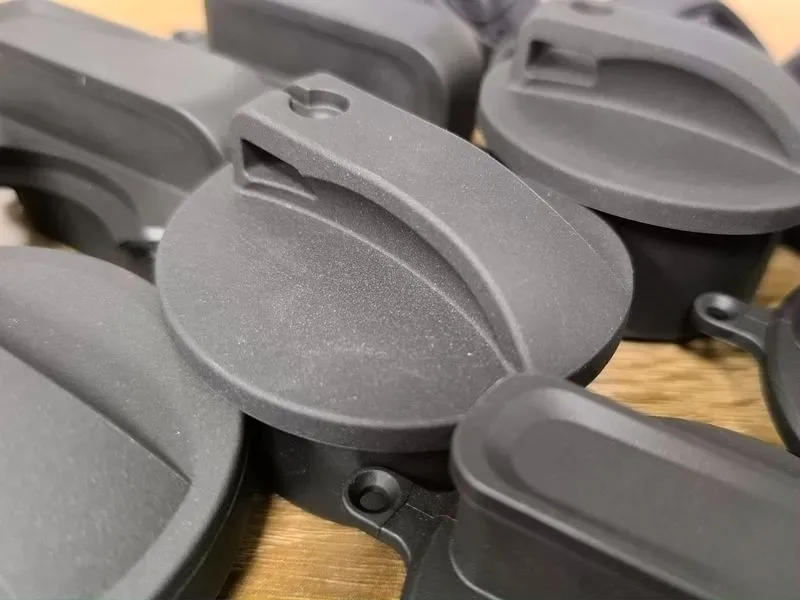
Solving Material Fatigue: Engineering a Monolithic FR-TPU Dust Cover for NEV Platforms
Client Type Leading Chinese NEV Manufacturer (Tier 1)Production Volume 500,000+ units/yearMaterial Used Custom Polyether-based FR-TPU (UL94 V-0)Request DFM EvaluationSee More Case StudiesRESIN CAPABILITIESDeploy Advanced Multi-Material Injection Molding Capabilities
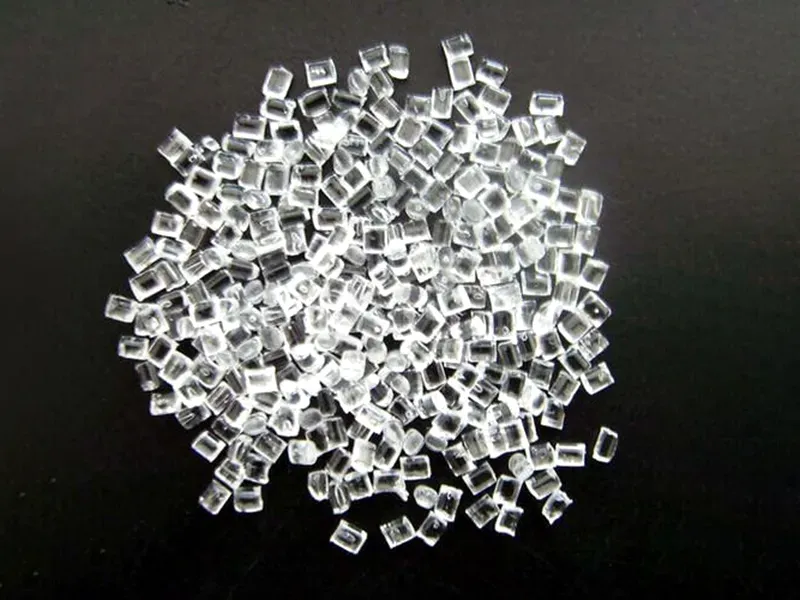
PC Injection Molding
Expert polycarbonate injection molding & in-house stamping. ISO 9001 & IATF 16949 certified. Turnkey PC solutions for optical, medical, and automotive parts.
Learn More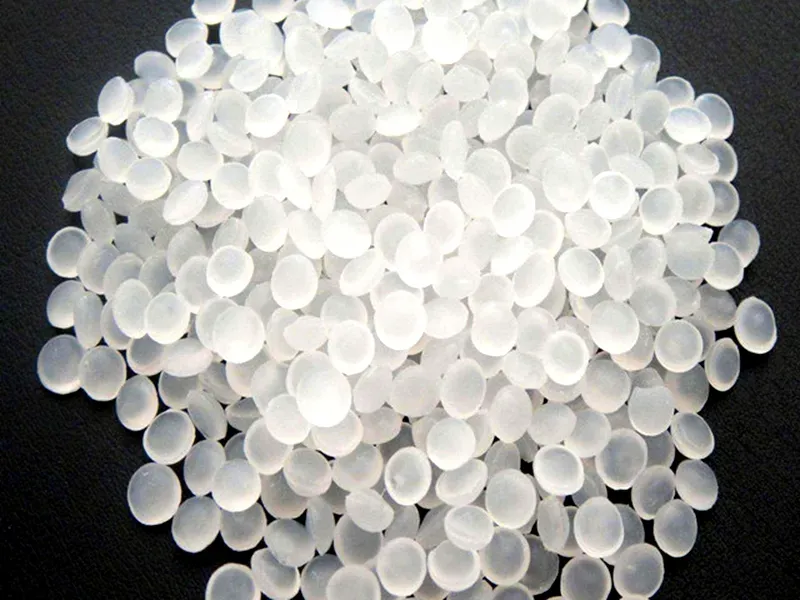
PP Injection Molding
IATF 16949 certified PP injection molding controlling aggressive shrinkage. From durable living hinges to high-volume 800T automotive components.
Learn More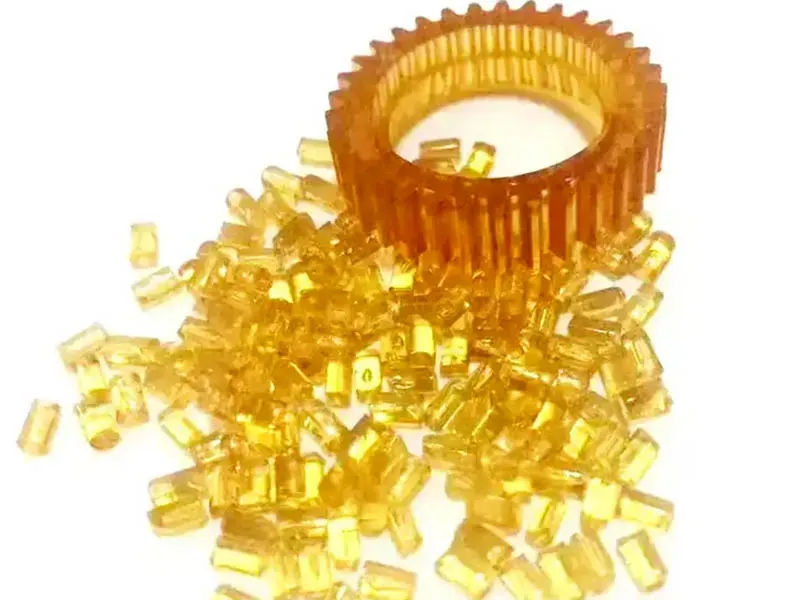
PEI Injection Molding
Expert PEI (Ultem™) injection molding for mission-critical applications. Mastering high-heat processing and CTE mismatch for aerospace, medical, and EV sectors.
Learn More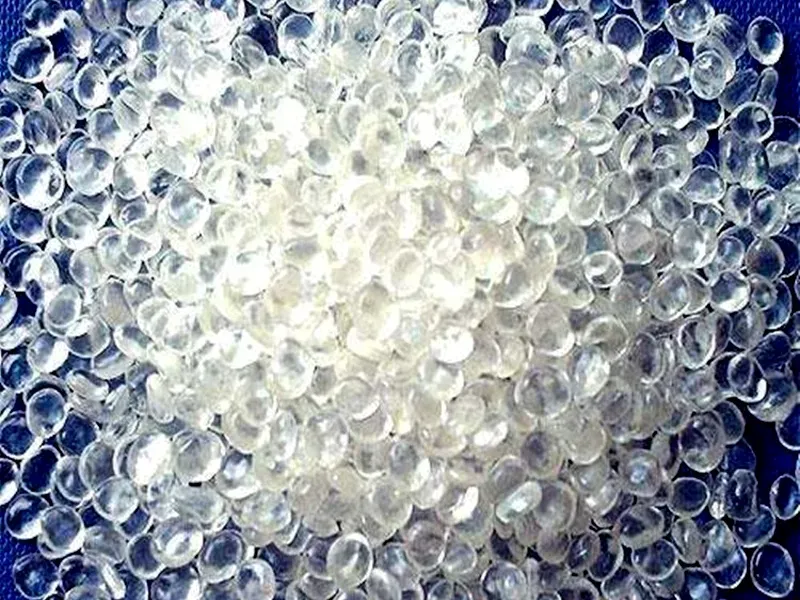
TPU Injection Molding
Master of TPU injection and overmolding. Utilizing 30+ specialized machines to deliver high-precision, defect-free elastomer components.
Learn MoreRequest DFM EvaluationExplore More Molding ServicesTECHNICAL REFERENCEFrequently Asked Questions
Answers to common questions regarding precision, tooling, materials, and our integrated molding capabilities.We apply non-linear shrinkage compensation to the mold cavity and use conformal cooling channels. Parts undergo a strict 24-hour post-cooling relaxation period before final Zeiss CMM measurement to ensure they match your prints exactly.
Yes. We manufacture custom brass or stainless steel inserts in-house and robotically load them for insert molding. This hybrid approach eliminates stripped threads and provides a 500% torque increase over pure plastic threads.
We offer certified domestic resin equivalents that cut raw material costs by 15-20%. Additionally, we optimize cycle times using Beryllium Copper tooling and redesign part nesting to save up to 40% on shipping freight.
We utilize ESCR-optimized injection grades and guarantee 100% virgin material for critical structural components. Every batch undergoes rigorous vacuum leak testing and air-decay protocols to ensure hermetic seals in corrosive environments.
Our DFM engineers optimize wall thickness ratios and employ Gas-Assisted Injection Molding to core out thick sections. This maintains structural rigidity while eliminating surface depressions and internal voids.
Absolutely. We overcome HDPE’s chemical inertness using flame treatment and corona discharge for permanent printing adhesion. We also utilize hot plate, spin, and ultrasonic welding for molecular-level fusion bonding without adhesives.
Because we build molds entirely in-house, prototype molds take 15-20 days, and standard production molds take 25-30 days. T1 samples are provided immediately upon tool completion for rapid validation.
While we typically target 1,000+ units for standard production runs to optimize heavy-tonnage setups, we fully support low-volume pilot runs of 100-500 units for your initial market testing and PPAP validation.

Still have questions?
Our engineering team loves solving complex problems. Chat with us or send your drawing for a review.
Request DFM EvaluationReady to Manufacture With One Accountable Factory?
From in-house tooling to high-volume production — stamping, molding, plating and assembly under one IATF 16949 roof. Send your spec and volume, get a quote within 24 hours.