
High-Capability PP Injection Molding: Optimized for High-Flexibility & Fatigue Resistance
Processing Polypropylene (PP) requires advanced volumetric and thermodynamic control to manage its high, non-linear shrinkage rates and rapid crystallization kinetics, which frequently cause unpredictable warpage and sink marks in complex geometries. We systematically master these semi-crystalline …
Processing Polypropylene (PP) requires advanced volumetric and thermodynamic control to manage its high, non-linear shrinkage rates and rapid crystallization kinetics, which frequently cause unpredictable warpage and sink marks in complex geometries. We systematically master these semi-crystalline material behaviors by utilizing predictive mold flow analysis and advanced conformal cooling tooling to achieve uniform cavity heat dissipation, ensuring anisotropic warpage elimination and highly predictable shrinkage compensation. By optimizing multi-stage velocity profiles and decoupled holding-pressure curves to regulate the polymer’s shear-sensitive flow, our IATF 16949 compliant manufacturing infrastructure delivers exceptional dimensional stability and zero-defect structural integrity for critical components in automotive and demanding industrial applications.
Material Authority: Homopolymer, Copolymer, Glass & Talc FilledEngineering Precision: Advanced cooling for warpage controlHybrid Capabilities: In-house Stamping + Insert MoldingScalable: 30T to 800T press capacityRequest DFM Evaluation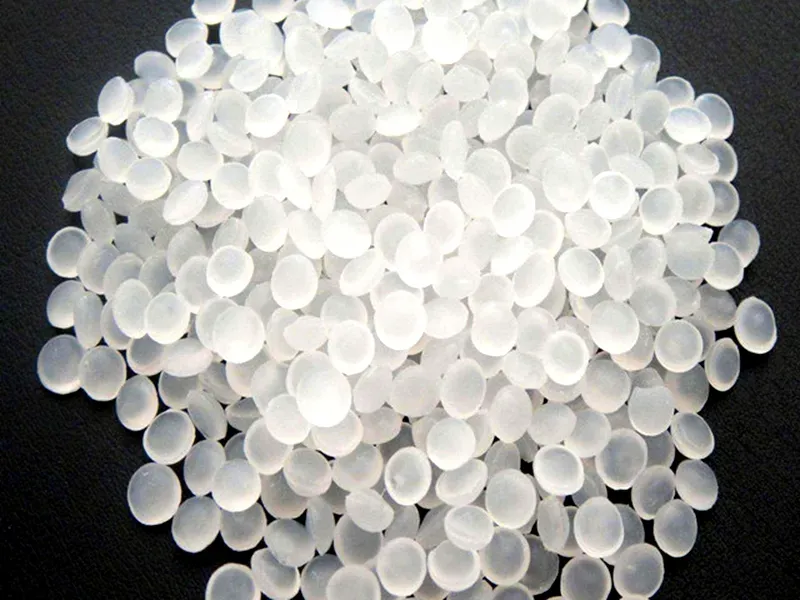
The Hidden Risks of Polypropylene Molding: Why 90% of Projects Fail at Mass Production
Polypropylene (PP) is deceptive. It is inexpensive and versatile, yet it is one of the most difficult materials to control dimensionally. Its semi-crystalline structure leads to aggressive, anisotropic shrinkage. Without specialized thermal management, standard molding often results in critical failures.
Risk #1: Unpredictable Warpage
Polypropylene experiences significant, uneven shrinkage (1.5% – 2.5%). Differential cooling across varying wall thicknesses generates internal stresses, causing flat parts to severely bow and twist upon ejection.
Consequence: Critical dimensional instability resulting in deformations exceeding 4.0mm, leading to immediate assembly failure.
Risk #2: Living Hinge Fatigue
Functional living hinges require perfect molecular orientation. Disordered polymer flow and poor gate placement create weak points and stress whitening during operation.
Consequence: Premature mechanical snapping, with structural integrity failing in under 500 folding cycles.
Risk #3: Adhesion Failure
PP’s extremely low surface energy (< 30 dyne/cm) inherently resists standard glues and paints. Additionally, high volumetric shrinkage produces highly visible sink marks opposite structural ribs.
Consequence: Ruined surface aesthetics and the rapid detachment of bonded secondary components.
Don't let manufacturing risks derail your project. You don't just need a supplier who can run a machine; you need an engineering partner who masters the complex science of precision PP Injection Molding.
Why Choose UsBeyond Standard Molding: Our Integrated PP Solutions
We don’t just mold parts; we engineer performance. By integrating material science, precision tooling, and scientific injection parameters under one roof, we transform raw resin into high-precision components that meet rigorous Automotive (IATF 16949) and Medical standards.
Custom Formulation & Compounding
We go beyond off-the-shelf resins. Our material lab blends additives like Talc (stability) or Glass Fiber (rigidity) to find the exact “Goldilocks” grade for your application.
Predicting Reality (Moldflow®)
We visualize fill patterns and air traps before steel is cut. This ensures “Living Hinges” receive correct molecular orientation and thin-wall parts fill without warpage.
Cycle Time & Cooling Optimization
Our in-house mold shop designs Conformal Cooling channels that ensure uniform heat dissipation. This prevents differential shrinkage and reduces cycle times for high-volume runs.
Engineer-to-Engineer Collaboration
Eliminate the “Telephone Game.” You work directly with our manufacturing engineers from Day 1, reducing NPI lead times by up to 30% through direct technical feedback.
Material Science & Grade Selection: The PP Performance Matrix
Polypropylene is not a single material; it is a versatile polymer family. From high-stiffness Homopolymers to impact-resistant Copolymers, our In-House Material Lab helps you navigate the trade-offs to optimize cost and performance.
| Property | Homopolymer PP (H-PP) | Impact Copolymer (ICP) | Random Copolymer (RCP) | Glass-Filled PP (10-40%) | Talc-Filled PP (Mineral) |
|---|---|---|---|---|---|
| Tensile Strength | High (~35 MPa) | Medium (~25 MPa) | Medium (~28 MPa) | Very High (>80 MPa) | High Stiffness |
| Impact Strength | Low | High (No Break) | Medium | Medium | Low to Medium |
| Clarity | Translucent | Opaque | High (Clear) | Opaque | Opaque |
| Shrinkage Rate | 1.5% - 2.0% | 1.5% - 2.0% | 1.5% - 2.0% | 0.4% - 0.8% | 0.4% - 0.8% |
| Heat Deflection Temperature | ~100°C | ~90°C | ~95°C | ~140°C | Improved Thermal Conductivity |
| Key Advantage | Highest tensile strength & melting point | Resists cracking at sub-zero temperatures | Cost-effective alternative to PC | Increases HDT, viable metal replacement | Dimension Stabilizer, reduces warpage |
| Typical Applications | Living Hinges | Car Bumpers & Industrial Crates | Clear Medical Vials & Food Containers | Under-hood Automotive Parts | Dimensional Parts requiring low shrinkage |
PP vs. The Alternatives: Making the Right Choice
Engineers often struggle to choose between PP, HDPE, and ABS. We believe in honest engineering: if PP isn't the best material for your application, we will tell you.
| Material Comparison | The Confusion (Similarities) | When to Choose PP | When to Choose the Alternative | Density (g/cm³) |
|---|---|---|---|---|
| PP vs. HDPE | Both are semi-crystalline, chemical-resistant "Olefins" that look and feel very similar. | You need Stiffness & Heat Resistance (e.g., microwaveable containers). Holds shape better at higher temperatures. | You need Cold Weather Toughness. HDPE survives freezing temperatures where standard PP might shatter. | PP: 0.90 HDPE: ~0.95 |
| PP vs. ABS | Both are widely used for consumer product housings and rigid enclosures. | You want to Save Money (~30% cheaper) and require high Chemical Resistance against solvents. | You need a High-Gloss Finish or plan to Paint/Plate the part. PP feels "waxy" and naturally rejects paint. | PP: 0.90 ABS: 1.05 |
| PP vs. Nylon | Both are heavily used for structural automotive and industrial parts (often as Glass-Filled grades). | You need Dimensional Stability in humidity. Nylon absorbs water (hygroscopic), which lowers its mechanical strength. | You need extreme Heat Resistance (>150°C) or are subjecting the part to extreme mechanical loads. | PP: 0.90 Nylon: ~1.14 |
| PP vs. PET / PVC | Commonly cross-evaluated for mass-produced containers, piping, and packaging. | You want the Lightest Commodity Plastic. PP yields 15% more parts per ton compared to ABS, and much more vs PET/PVC. | You require crystal-clear transparency (PET) or inherent flame retardant properties (PVC). | PP: 0.90 PET/PVC: ~1.38 |
Applied Manufacturing & Technical Validation
Review our documented production records across injection molding and metal component integration. Examine how we resolve complex geometric challenges and strictly control critical dimensions to ensure structural and functional reliability in demanding environments.
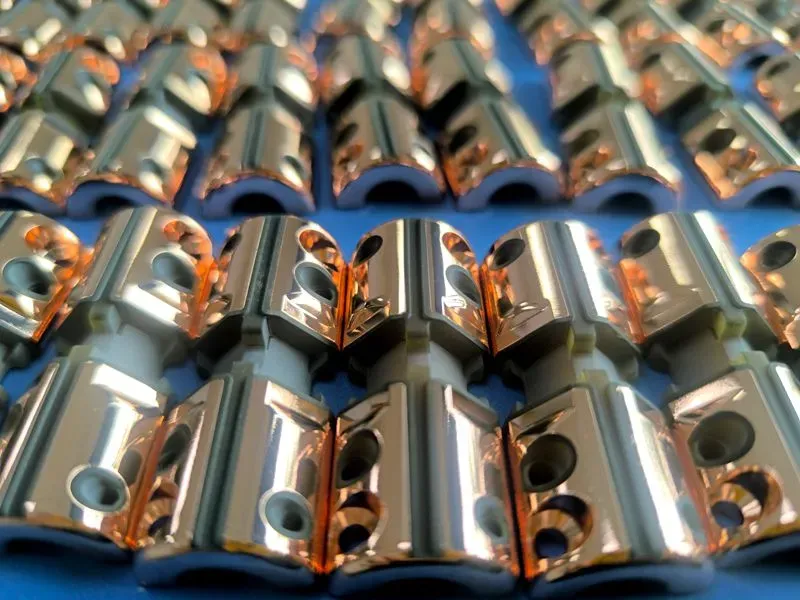
Overcoming RF Leakage: Engineering Zero-Gap Balun Assemblies for MRI Diagnostics
Client Type Leading Tier-1 Medical Imaging OEMProduction Volume 15,000+ units/yearMaterial Used Unfilled Polyetherimide (PEI)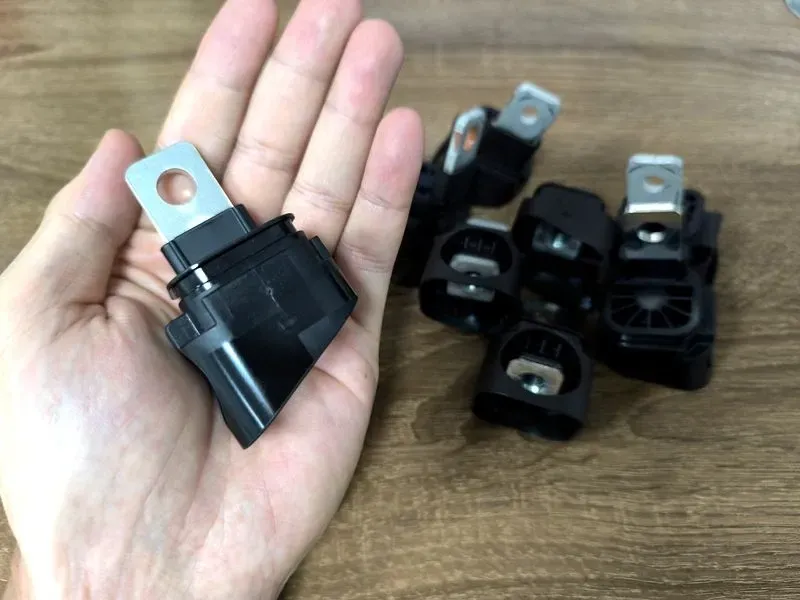
Overcoming CTE Mismatch: Engineering 800V Busbar Terminals for Commercial EVs
Client Type Leading Heavy-Duty Commercial EV Manufacturer - Tier 1Production Volume 250,000+ units/yearMaterial Used High-Purity C11000 Copper & PA6 GF30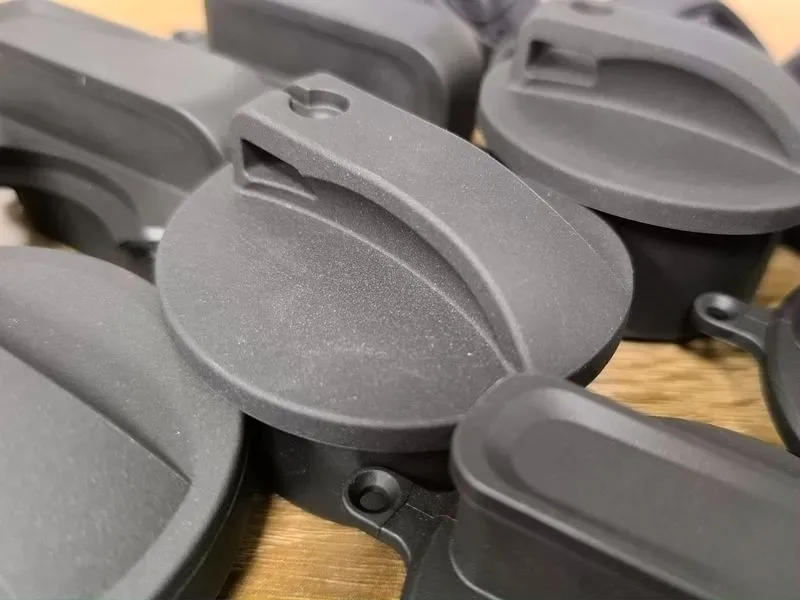
Solving Material Fatigue: Engineering a Monolithic FR-TPU Dust Cover for NEV Platforms
Client Type Leading Chinese NEV Manufacturer (Tier 1)Production Volume 500,000+ units/yearMaterial Used Custom Polyether-based FR-TPU (UL94 V-0)Request DFM EvaluationSee More Case StudiesRESIN CAPABILITIESDeploy Advanced Multi-Material Injection Molding Capabilities
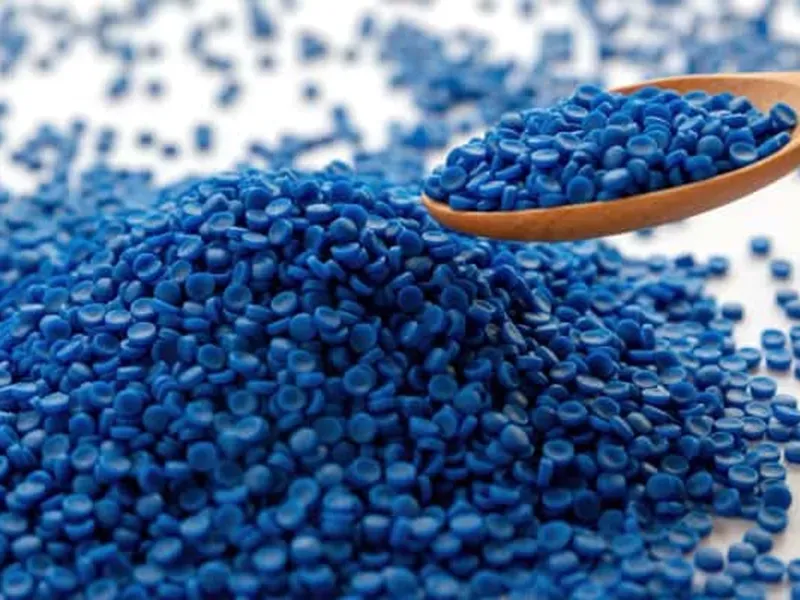
LDPE Injection Molding
Expert LDPE injection molding delivering defect-free soft plastics. Featuring 64+ cavity high-volume scalability and advanced cooling for zero warpage.
Learn More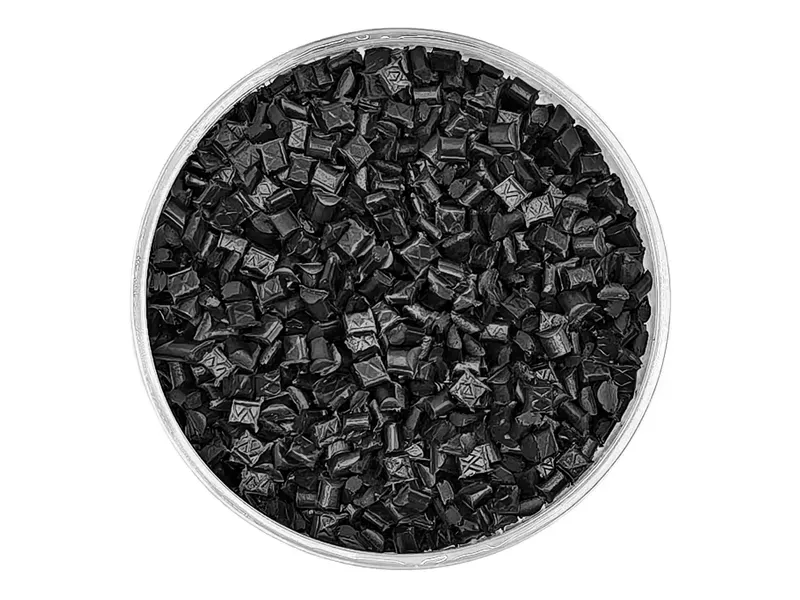
LCP Injection Molding
High-performance LCP molding achieving
Learn More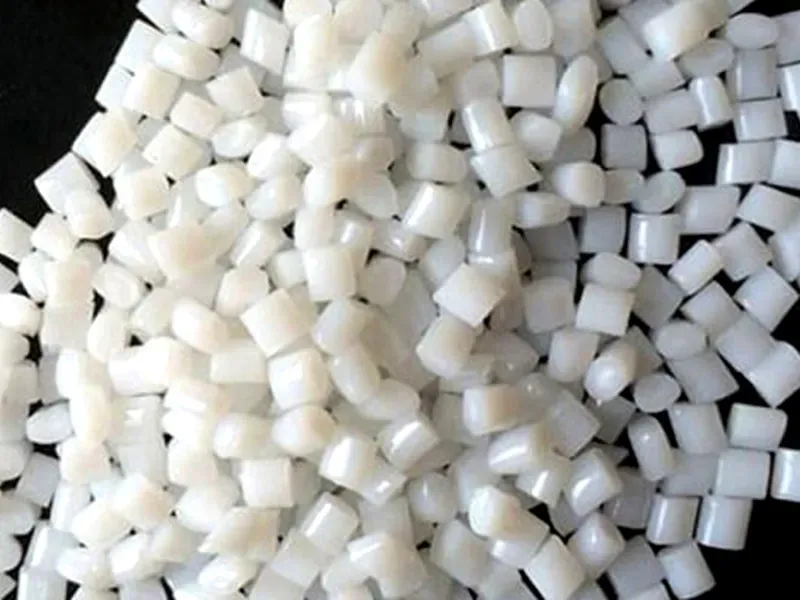
PBT Injection Molding
From complex geometries to high-volume production, we specialize in expert PBT processing. Optimized for dimensional stability and chemical resistance—delivered with speed and precision.
Learn More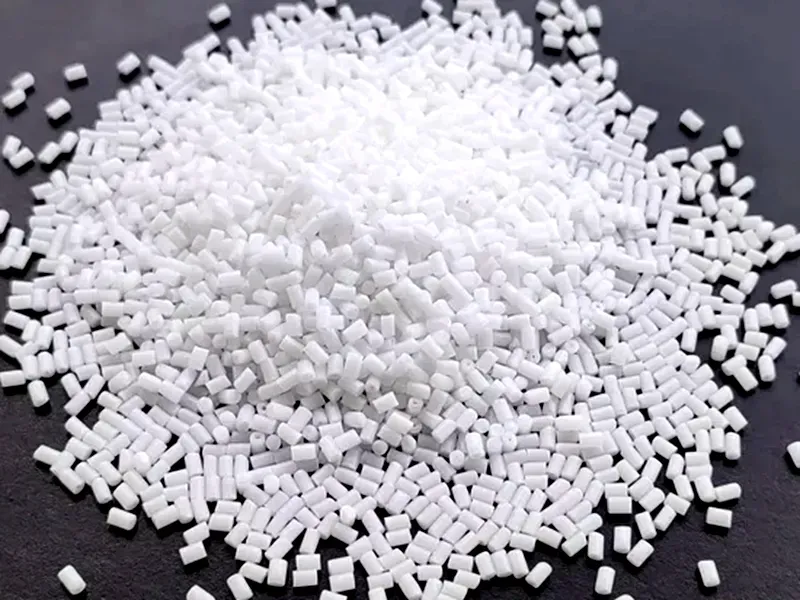
Acetal (POM) Injection Molding
Custom Acetal (POM) injection molding from an IATF 16949 certified factory. We eliminate vacuum voids and control shrinkage for high-precision Delrin® parts.
Learn MoreRequest DFM EvaluationExplore More Molding ServicesTECHNICAL REFERENCEFrequently Asked Questions
Answers to common questions regarding precision, tooling, materials, and our integrated molding capabilities.We formulate custom PP grades with up to 40% Talc to stabilize dimensions and utilize Conformal Cooling in our molds. This ensures uniform heat dissipation, reducing shrinkage to ±0.2% and preventing the differential cooling that causes large flat parts to bow and twist.
Premature failure is caused by poor molecular alignment and stress whitening from “cold slugs.” We use High-MFI Homopolymer grades and Moldflow analysis to precisely position gates, ensuring polymer chains align perfectly perpendicular to the hinge axis for over 10,000 continuous folding cycles.
Yes. Because PP resists chemical bonding, we rely on engineered mechanical interlocking. We stamp custom metal inserts in-house with aggressive diamond knurling and undercuts, then overmold them to create high-strength, leak-proof IP67 assemblies without finger-pointing between different vendors.
Polypropylene has an inherently low surface energy of less than 30 dynes. We utilize in-line flame and corona surface activation treatments to oxidize the material, raising its surface energy to over 38 dynes. This guarantees permanent ink and paint adhesion that passes strict ASTM tape tests.
It depends on your primary performance requirement. Homopolymer offers the highest tensile strength and is mandatory for living hinges. Impact Copolymer is best for cold-weather toughness and impact resistance, while Random Copolymer is the clear choice when you need high optical clarity for medical or food applications.
Polypropylene is the lightest commodity plastic with a density of just 0.90 g/cm³. Because you buy raw resin by weight but produce parts by volume, PP yields up to 15% more parts per ton compared to heavier plastics like ABS, significantly lowering your unit and freight costs.
We are an IATF 16949 and ISO 13485 certified source factory. Our infrastructure features high-mixing barrier screws to eliminate color streaks, non-contact laser metrology for soft parts, and full MES digital traceability to consistently maintain a Cpk greater than 1.33 for critical dimensions.
Absolutely. Our engineer-to-engineer collaboration eliminates middleman lag and reduces NPI lead times by up to 30%. We provide a comprehensive DFM and shrinkage analysis within 24 hours to optimize gate placement, identify potential air traps, and correct wall thickness issues before tool fabrication begins.

Still have questions?
Our engineering team loves solving complex problems. Chat with us or send your drawing for a review.
Request DFM EvaluationReady to Manufacture With One Accountable Factory?
From in-house tooling to high-volume production — stamping, molding, plating and assembly under one IATF 16949 roof. Send your spec and volume, get a quote within 24 hours.