
In the medical device lifecycle, a molding error isn't just a defect—it's a liability. We understand that your biggest risks aren't just unit costs, but regulatory roadblocks, validation failures, and patient safety hazards.
The High Stakes of Medical Silicone Molding: Why Precision & Compliance Are Non-Negotiable
In the medical device lifecycle, a molding error isn't just a defect—it's a liability. We understand that your biggest risks aren't just unit costs, but regulatory roadblocks, validation failures, and patient safety hazards.
Traceability or Tribunal?
Simply using “medical-grade” silicone is insufficient without secure supply chain validation, including FDA Master Files (MAF) access and complete ISO 10993 reports.
Consequence: A lack of strict material traceability guarantees instant rejection of your 510(k) submission.
The Lethal Cost of "Micro-Flash"
Standard molding tolerances are inadequate for critical fluid paths, where even microscopic imperfections pose severe risks in implantable or hemodynamic devices.
Consequence: Detached flash as minuscule as 0.05mm can cause life-threatening complications, including thrombosis.
Prototype Success ≠ Stability
A perfect prototype is meaningless without a repeatable manufacturing process; unstable cavity pressure prevents reliable high-volume production.
Consequence: Process inconsistency leads to IQ/OQ/PQ validation failures, triggering expensive re-tooling and delayed product launch windows.
Don't let manufacturing risks derail your project. You don't just need a supplier who can run a machine; you need an engineering partner who masters the complex science of precision Medical Silicone Injection Molding.
Why Choose UsIntegrated Turnkey Injection Molding Solutions: From Concept to Clinical Readiness
Fragmented supply chains introduce risk. We consolidate your entire manufacturing pathway—from advanced DFM and flash-free molding to sterile assembly—into a single, validated workflow under one roof. De-risk your development and seamlessly bridge the gap between complex R&D concepts and mass-producible realities.
Material Mastery & Advanced DFM
Before cutting steel, we proactively de-risk your development. We pair strict ISO 10993 and USP Class VI material grade selection with advanced Moldflow simulation to predict curing behavior, eliminate air traps, and engineer robust process capability (Cpk) for zero-defect manufacturing.
In-House Tooling & NPI Acceleration
Drastically shorten your Time-to-Market by bridging the gap between rapid T1 sampling and clinical trials. Our on-site tooling workshop supports rapid iterations while executing full IQ/OQ/PQ validation protocols, delivering the exact statistical data required for FDA and MDR submissions.
Flash-Free Molding & Overmolding Integration
Achieve absolute dimensional integrity utilizing advanced Valve-Gated Cold Deck Systems and active vacuum venting. We specialize in complex LSR Overmolding (Silicone-to-Metal/Plastic), creating perfect mechanical bonds and flawless, net-shape components that completely eliminate the need for secondary manual trimming.
Cleanroom Post-Processing & Sterile Assembly
Your product’s journey concludes securely inside our monitored ISO Class 7 and 8 cleanrooms. We perform critical value-added operations—including high-temp post-curing for VOC removal and Parylene coating for friction management—before assembling and sealing the final device in dual-layer Tyvek pouches for immediate EtO/Gamma sterilization.
Material Science & Selection Matrix: Engineered for Biocompatibility
We navigate the complex ecosystem of medical-grade silicones so you don’t have to. Partnering with global leaders, we ensure every gram of material is fully certified (COC), traceable, and optimized for your specific clinical application.
| Grade Category | Durometer (Shore A) | Key Characteristic | Ideal Application |
|---|---|---|---|
| Soft LSR | 10 - 30 A | High elongation; Skin-like feel; Low compression set. | Cushioning for masks; Wound drains; Wearable contact patches. |
| General Purpose LSR | 40 - 60 A | Balanced tensile strength; Excellent elastic recovery. | O-rings; Gaskets; Diaphragms; Standard seals. |
| Structural LSR | 70 - 80 A | High tear strength; Rigid structure; Resists deformation. | Surgical tool handles; Connectors; Keypads. |
| Self-Lubricating LSR | 30 - 60 A | Oil-bleeding formulation; Low coefficient of friction. | Slit valves (Duckbill/Cross-slit); Needle-free access sites. |
| Self-Adhesive LSR | 40 - 70 A | Built-in adhesion promoters for primer-less bonding. | Overmolding onto PC, PBT, or PA (Thermoplastics) & Metals. |
| High-Transparency LSR | 30 - 70 A | Superior optical clarity; Non-yellowing; Glass-like light transmission. | Fluid monitoring windows; Optical sensors; Wearable lenses. |
| Radiopaque LSR | 30 - 80 A | X-ray detectable (barium sulfate additive); High contrast under fluoroscopy. | Implantable catheters; Surgical markers; Diagnostic tubing components. |
| Fluorosilicone (FSR) | 40 - 70 A | Extreme chemical and solvent resistance; Resists degradation from aggressive fluids. | Drug delivery systems; Seals exposed to Active Pharmaceutical Ingredients (APIs). |
Engineering FAQ: The Material Selection Guide
Confused by the acronyms? We break down the technical differences between LSR, HCR, and TPE to help you specify the right material for your medical device's performance and budget.
| Material Characteristic | LSR (Liquid Silicone Rubber) | HCR (High Consistency Rubber) | TPE (Thermoplastic Elastomer) |
|---|---|---|---|
| Heat Resistance | Excellent (200°C+) | Excellent (200°C+) | Poor (< 120°C); Melts/Deforms |
| Chemical Inertness | Highest; Resists biological aging | Highest; Resists biological aging | Moderate; Vulnerable to harsh chemicals |
| Compression Set (Memory) | Excellent; Retains shape permanently | Good to Excellent | Poor to Moderate; Prone to deformation |
| Sterilization Compatibility | Autoclave (500+ cycles), EtO, Gamma | Autoclave, EtO, Gamma | EtO, Gamma (Not suitable for Autoclave) |
| Biocompatibility & Safety | Gold Standard; Synthetic, inorganic, 100% Latex-Free & hypoallergenic | Gold Standard; Latex-Free & hypoallergenic | Varies; Suitable for non-critical, short-term contact |
| Precision & Geometry | Ultra-High; Flash-free, complex undercuts, thin walls, optical clarity | Moderate; Simple profiles, thicker walls | High; Good for standard structural parts |
| Manufacturing Process | Automated Platinum-cured Injection Molding | Compression Molding / Extrusion | Standard Plastic Injection Molding |
| Production Volume & Speed | High Volume (100k+); Cycle time in seconds | Low to Mid Volume; Cycle time in minutes | High Volume; Fast cycle times |
| Cost Dynamics | High upfront tooling, but lowest per-part cost at high volumes (Zero manual trimming) | Cheaper tooling, but higher per-unit labor costs | Lowest material and upfront costs |
| Ideal Medical Applications | Precision valves, long-term implants, respiratory masks, wearable contacts | Extruded medical tubing, low-volume simple gaskets | Disposable handles, non-critical device housings, soft-touch grips |
Applied Manufacturing & Technical Validation
Review our documented production records across injection molding and metal component integration. Examine how we resolve complex geometric challenges and strictly control critical dimensions to ensure structural and functional reliability in demanding environments.
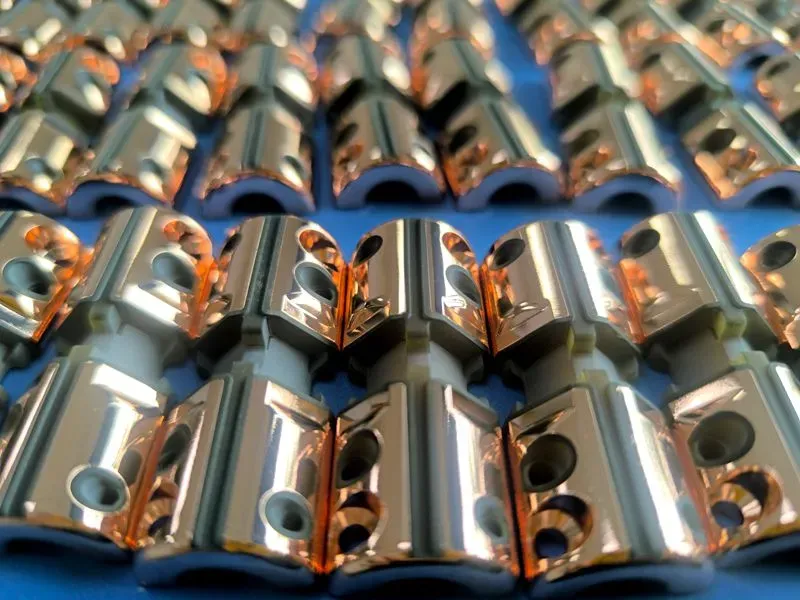
Overcoming RF Leakage: Engineering Zero-Gap Balun Assemblies for MRI Diagnostics
Client Type Leading Tier-1 Medical Imaging OEMProduction Volume 15,000+ units/yearMaterial Used Unfilled Polyetherimide (PEI)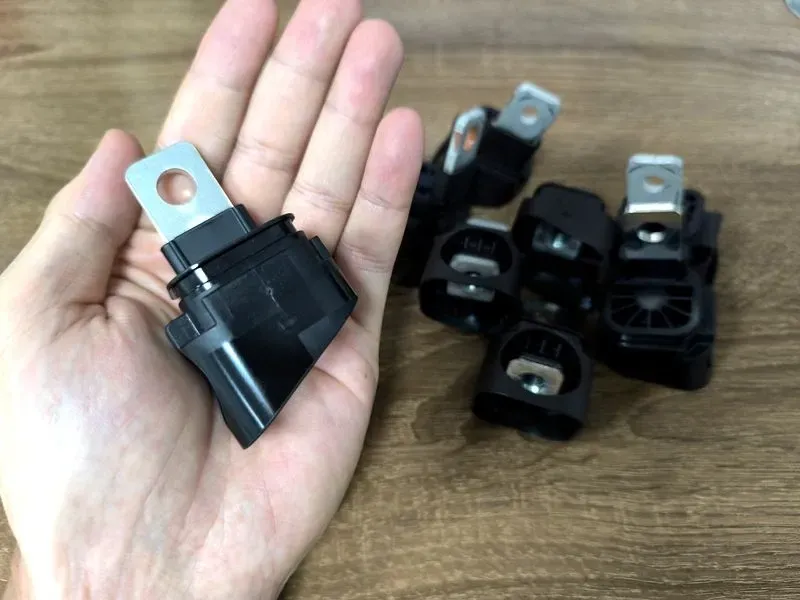
Overcoming CTE Mismatch: Engineering 800V Busbar Terminals for Commercial EVs
Client Type Leading Heavy-Duty Commercial EV Manufacturer - Tier 1Production Volume 250,000+ units/yearMaterial Used High-Purity C11000 Copper & PA6 GF30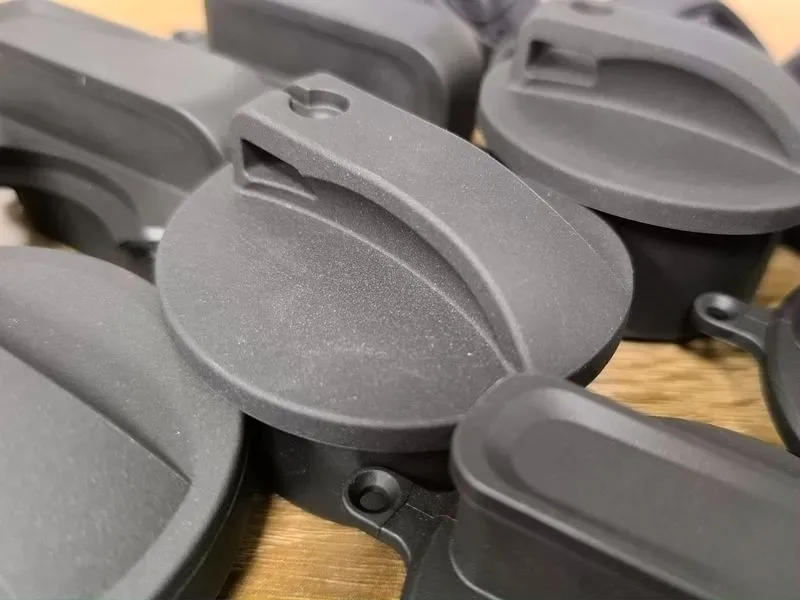
Solving Material Fatigue: Engineering a Monolithic FR-TPU Dust Cover for NEV Platforms
Client Type Leading Chinese NEV Manufacturer (Tier 1)Production Volume 500,000+ units/yearMaterial Used Custom Polyether-based FR-TPU (UL94 V-0)Request DFM EvaluationSee More Case StudiesRESIN CAPABILITIESDeploy Advanced Multi-Material Injection Molding Capabilities
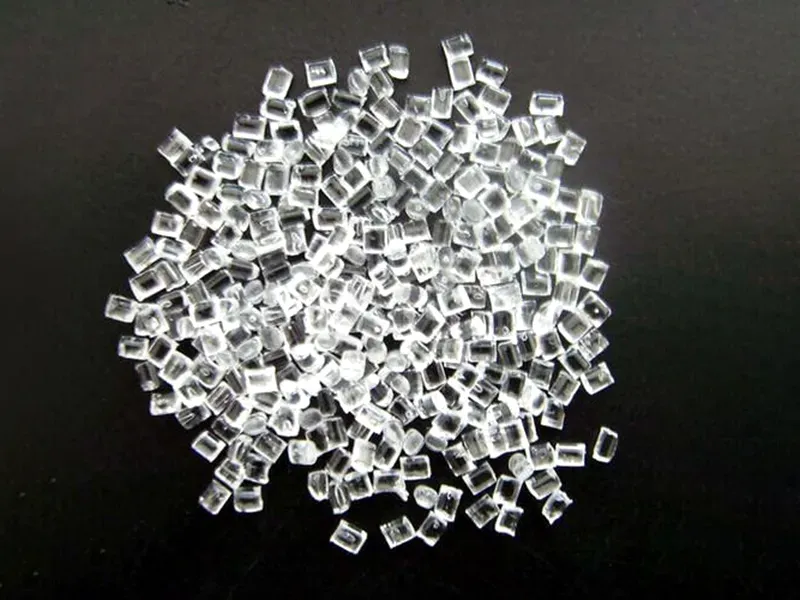
PC Injection Molding
Expert polycarbonate injection molding & in-house stamping. ISO 9001 & IATF 16949 certified. Turnkey PC solutions for optical, medical, and automotive parts.
Learn More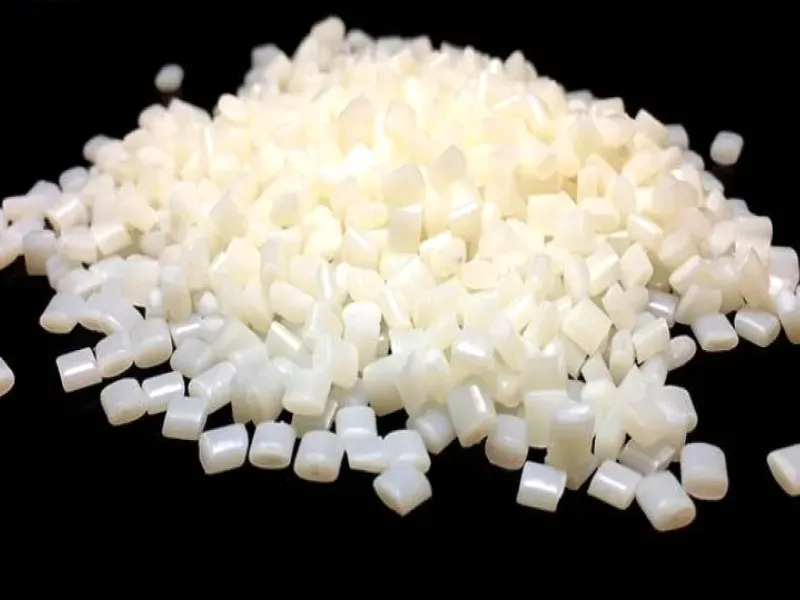
Nylon Injection Molding
IATF 16949 certified source factory mastering PA6, PA66, and PPA. We deliver warp-free, dimensionally stable nylon components utilizing in-house moisture conditioning and bimetallic presses.
Learn More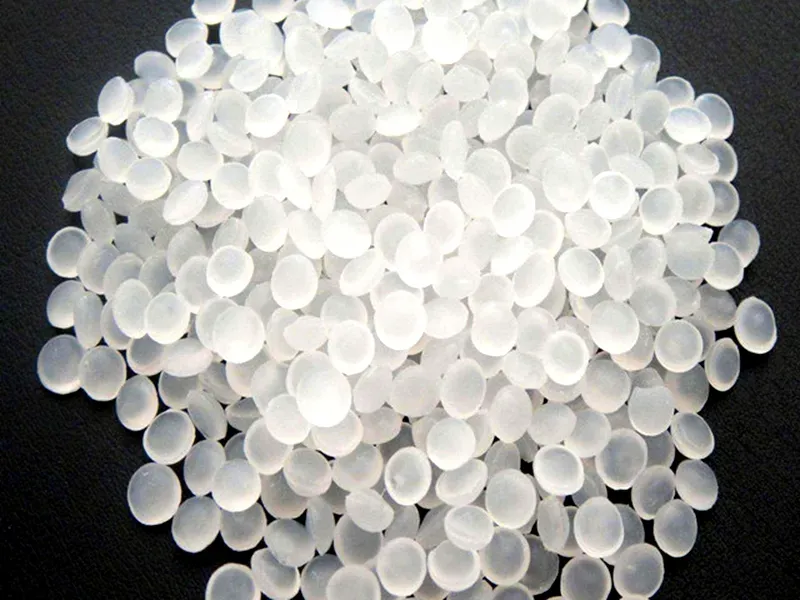
PP Injection Molding
IATF 16949 certified PP injection molding controlling aggressive shrinkage. From durable living hinges to high-volume 800T automotive components.
Learn More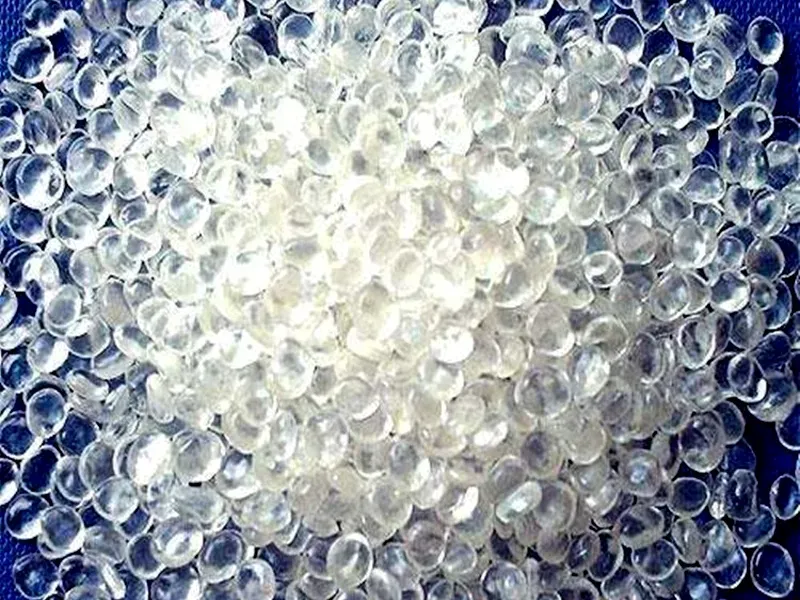
TPU Injection Molding
Master of TPU injection and overmolding. Utilizing 30+ specialized machines to deliver high-precision, defect-free elastomer components.
Learn MoreRequest DFM EvaluationExplore More Molding ServicesTECHNICAL REFERENCEFrequently Asked Questions
Answers to common questions regarding precision, tooling, materials, and our integrated molding capabilities.
Still have questions?
Our engineering team loves solving complex problems. Chat with us or send your drawing for a review.
Request DFM EvaluationReady to Manufacture With One Accountable Factory?
From in-house tooling to high-volume production — stamping, molding, plating and assembly under one IATF 16949 roof. Send your spec and volume, get a quote within 24 hours.