
Advanced PEEK Injection Molding: Engineered for Extreme Thermal & Chemical Resistance
Processing Polyetheretherketone (PEEK) requires exceptional thermodynamic and melt-delivery control due to its ultra-high processing temperatures and highly sensitive semi-crystalline morphology, which dictates final mechanical strength. We systematically master these extreme material behaviors by …
Processing Polyetheretherketone (PEEK) requires exceptional thermodynamic and melt-delivery control due to its ultra-high processing temperatures and highly sensitive semi-crystalline morphology, which dictates final mechanical strength. We systematically master these extreme material behaviors by utilizing specialized bimetallic processing units and high-temperature mold oil heaters operating up to 200°C, achieving homogenous crystallization and maximum matrix density while mitigating the risk of micro-structural voids or uneven cooling rates. By optimizing multi-stage injection velocities and scientific packing-pressure profiles to control the polymer’s high shear sensitivity, our IATF 16949 compliant manufacturing infrastructure guarantees uncompromised tensile and chemical resistance for critical components in automotive and demanding industrial applications.
Thermal Mastery: Precise 300°C oil thermal regulation.Zero Contamination: Bimetallic hardware prevents black specks.Hybrid Integration: Seamless metal-to-PEEK precision insert overmolding.Scientific Molding: Decoupled strategies for zero-defect production.Request DFM Evaluation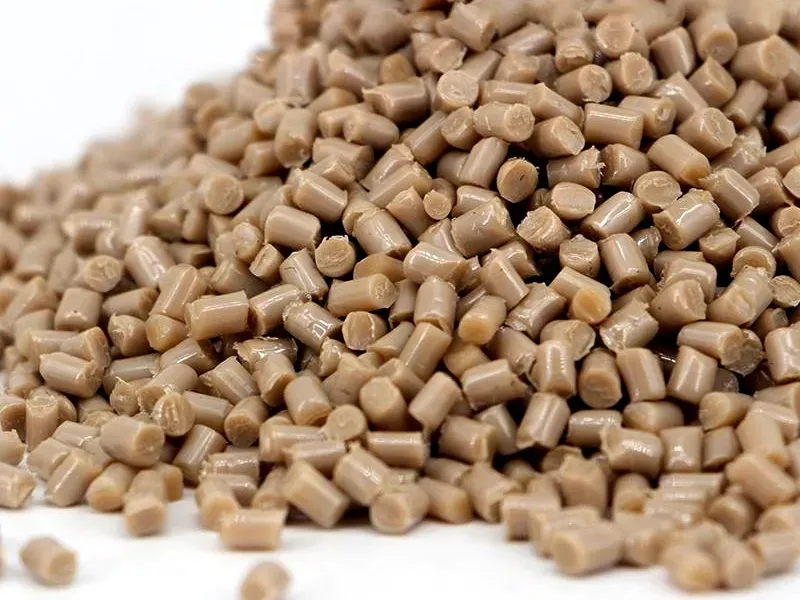
The Hidden Costs of "Commodity" Molding: Why PEEK Projects Fail
PEEK is an unforgiving material. Treating it like standard ABS or PP leads to invisible structural defects, regulatory rejections, and profit-killing scrap rates. Are you facing these common manufacturing pitfalls?
Crystallinity & Thermal Integrity
PEEK is a semi-crystalline polymer that requires precise mold temperatures between 160°C and 200°C to achieve its full mechanical potential. Treating it like standard plastic results in poor crystallinity, leading to a catastrophic drop in chemical resistance and structural strength.
Challenge: Risking critical component failure because your supplier utilizes standard water heaters instead of industrial-grade high-temp oil thermal regulation.
Purity & Contamination Control
Processing PEEK at 360°C+ carbonizes any residual commodity plastics (like PVC or POM) left in the machine barrel. In regulated industries, a single “black speck” of carbonized residue leads to immediate batch rejections and FDA validation failures.
Challenge: Facing severe regulatory liabilities when a molder runs mission-critical PEEK on the same unpurged equipment used for low-grade polymers.
Material Yield & Flow Optimization
t hundreds of dollars per kilogram, PEEK resin is a major cost driver. Inexperienced molders often rely on oversized runners and improper gating to compensate for poor flow analysis, resulting in an unsustainable 40-50% material waste per shot.
Challenge: Paying an inflated premium for your parts because your supplier lacks the scientific molding rigor to optimize shot yields and minimize scrap.
Don't let manufacturing risks derail your project. You don't just need a supplier who can run a machine; you need an engineering partner who masters the complex science of precision PEEK Injection Molding.
Why Choose UsEngineering-Led PEEK Solutions: From Material Science to Metal Integration
We bridge the gap between complex material properties and manufacturability. Our holistic approach ensures your PEEK project is optimized for performance, cost, and longevity from Day 1.
Resin Selection & Analysis
Choosing between Virgin, Carbon-Filled, or Bearing Grade PEEK defines your part’s success. We analyze thermal loads and chemical exposure to prescribe the exact resin formulation.
High-Temp Tooling Strategy
PEEK requires mold temperatures >180°C. We design proprietary oil-heated molds with specific shrink-compensation for anisotropic fiber orientation, ensuring tight tolerances.
Hybrid Insert Molding
The ultimate problem solver. We integrate stamped metal terminals and CNC parts directly into the PEEK mold, creating robust, unified assemblies with superior pull-out strength.
Material Science & Application Engineering: Beyond the Datasheet
Selecting the right PEEK grade is the difference between a high-performance component and a costly failure. We guide you through the complex trade-offs of strength, wear resistance, and cost.
| Material Specification | Unfilled PEEK (Standard) | 30% Glass-Filled (Structural) | 30% Carbon-Filled (High Strength) | Bearing Grade (Tribological) |
|---|---|---|---|---|
| Reference Grades | Victrex™ 450G / KetaSpire® | GL30 (Glass-Fiber Reinforced) | CA30 (Carbon-Fiber Reinforced) | PTFE + Graphite Modified |
| Key Performance Attributes | Best ductility, high impact resistance, and excellent electrical insulation. | Maximum stiffness, superior thermal stability, and structural isolation. | Peak strength-to-weight ratio, high thermal conductivity, and ESD properties. | Lowest coefficient of friction, extreme wear life, and silent operation. |
| Crucial Design Notes | Features the highest elongation rate; optimal for snap-fit joints and complex geometries. | Glass fibers make it highly abrasive to mating surfaces; explicitly not for sliding applications. | Offers 3.5x higher thermal conductivity, which allows for faster injection molding cycles. | Inherently self-lubricating material; provides dry lubrication and immune to washout. |
| Ideal Applications | Radiolucent medical instruments, FDA-compliant fluidics, and chemical seals. | High-load structural insulators, high-pressure pump housings, and manifolds. | Direct aluminum replacement, aerospace interior brackets, and EV powertrain components. | Maintenance-free bushings, thrust washers, and dynamic subsea valve components. |
| Manufacturing & Tooling Impact | Requires strict moisture control (<0.02%) and precise high-temp oil thermal regulation. | Requires hardened tool steel (H13/S136) to prevent rapid mold abrasion from glass fibers. | Necessitates bimetallic screws and tungsten carbide linings to combat severe abrasion. | Requires proprietary shrink-compensation in mold design to ensure tight running clearances. |
Engineering Knowledge Hub: Material Selection & Design Strategy
Make data-driven decisions. We provide the technical insights you need to validate if PEEK is the right choice for your application—or if a metal or alternative polymer offers a better ROI.
| Evaluation Criteria | PEEK (Victrex™ 450G) | Alternative Polymers (PEI / PPS) | Traditional Metals (Al 6061 / SS 304) |
|---|---|---|---|
| Density (g/cm³) | 1.30 (80% lighter than steel) | ~1.27 - 1.35 | 2.70 (Aluminum) / 8.00 (Stainless) |
| Continuous Use Temp | 260°C (The Gold Standard) | PEI: 170°C / PPS: 200°C | 500°C+ |
| Tensile Strength | 100 MPa | PEI: 105 MPa / PPS: 80 MPa | 276 MPa (Al) / 505 MPa (SS) |
| Corrosion & Chemical Resistance | Immune (Zero corrosion) | Excellent (PPS offers high chemical resistance) | Aluminum requires anodizing; Stainless carries pitting risk |
| Manufacturing & Secondary Operations | Net Shape Molding (Eliminates deburring, plating, painting) | Net Shape Molding (PPS is highly flash-prone) | CNC Machining / Casting (Requires secondary finishing) |
| Cost Profile | $$$$ (Material High / Labor Low) | PEI: $$$/ PPS:$$ (Material Medium / Labor Low) | Material Low / Labor High |
| Design Rule #1: Corner Radii | Min radius 0.5mm (Notch-sensitive; sharp corners cause cracking) | Fillets required to mitigate stress concentration | Sharp internal corners possible via EDM, though fillets preferred |
| Design Rule #2: Draft Angles | Apply 1° - 2° draft (Shrinks hard onto the core) | Standard 1° - 2° injection molding draft required | No draft required for standard CNC machining |
| Design Rule #3: Wall Thickness | Max 4mm thickness (Must core out thick sections to prevent warpage) | Strict uniform wall thickness required to prevent voids | Solid, variable thickness sections are fully acceptable |
Applied Manufacturing & Technical Validation
Review our documented production records across injection molding and metal component integration. Examine how we resolve complex geometric challenges and strictly control critical dimensions to ensure structural and functional reliability in demanding environments.
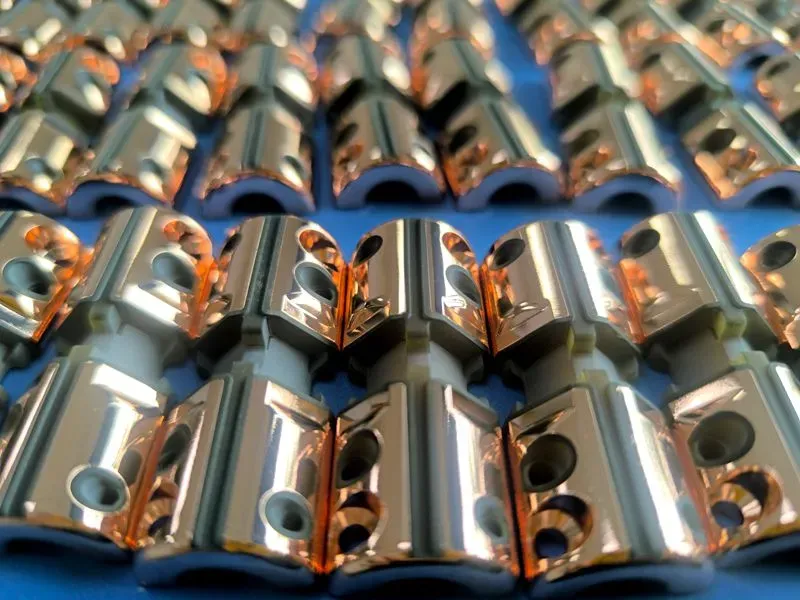
Overcoming RF Leakage: Engineering Zero-Gap Balun Assemblies for MRI Diagnostics
Client Type Leading Tier-1 Medical Imaging OEMProduction Volume 15,000+ units/yearMaterial Used Unfilled Polyetherimide (PEI)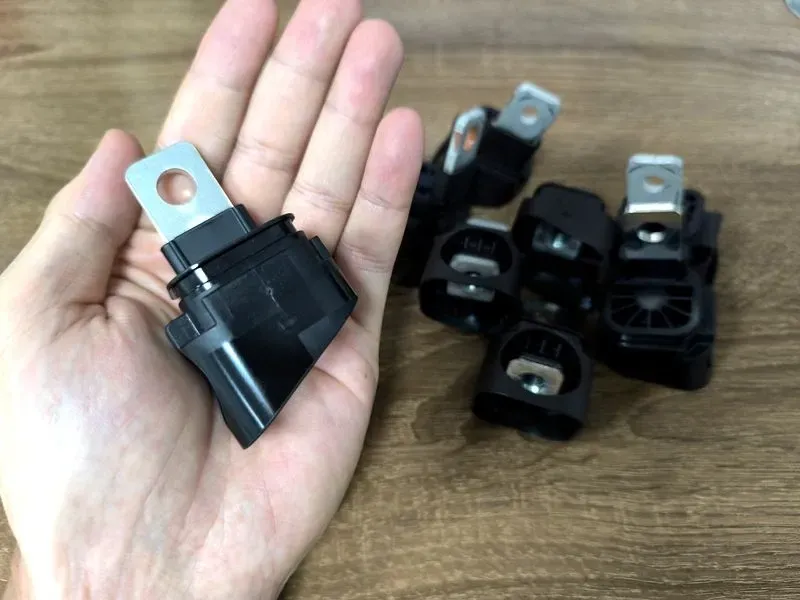
Overcoming CTE Mismatch: Engineering 800V Busbar Terminals for Commercial EVs
Client Type Leading Heavy-Duty Commercial EV Manufacturer - Tier 1Production Volume 250,000+ units/yearMaterial Used High-Purity C11000 Copper & PA6 GF30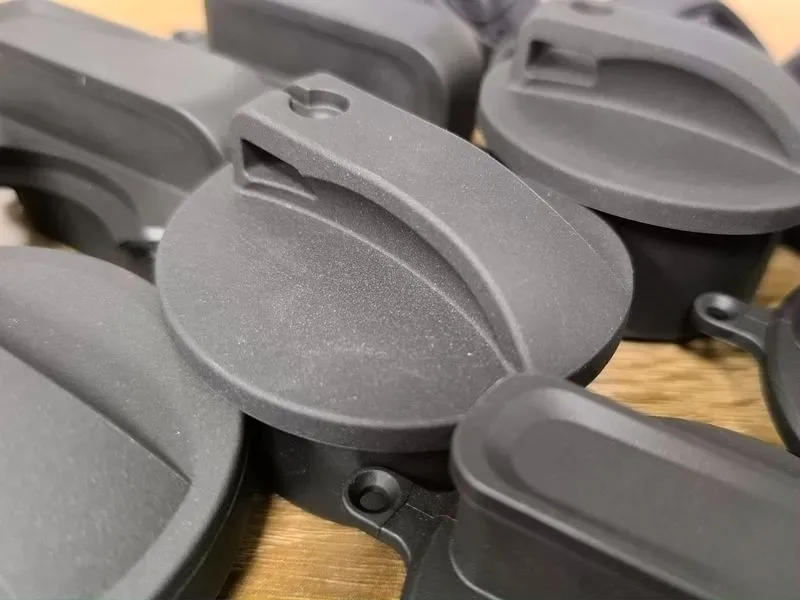
Solving Material Fatigue: Engineering a Monolithic FR-TPU Dust Cover for NEV Platforms
Client Type Leading Chinese NEV Manufacturer (Tier 1)Production Volume 500,000+ units/yearMaterial Used Custom Polyether-based FR-TPU (UL94 V-0)Request DFM EvaluationSee More Case StudiesRESIN CAPABILITIESDeploy Advanced Multi-Material Injection Molding Capabilities
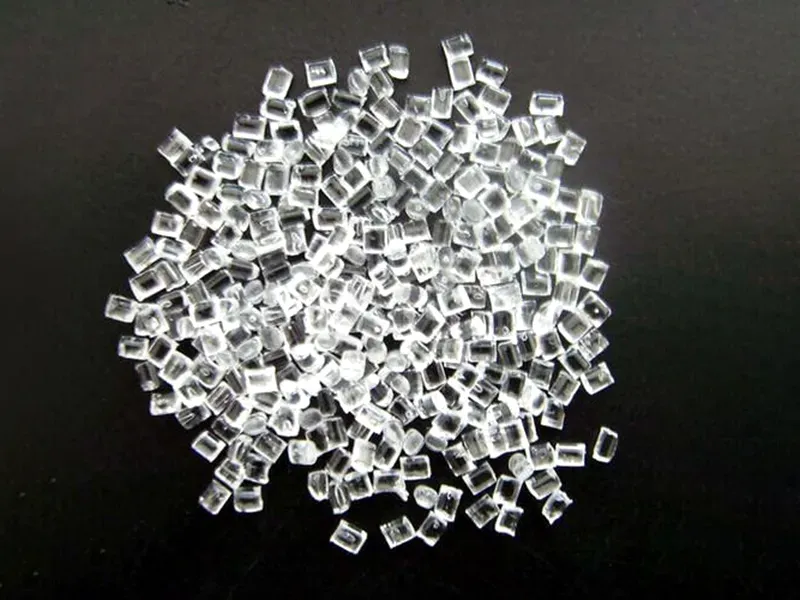
PC Injection Molding
Expert polycarbonate injection molding & in-house stamping. ISO 9001 & IATF 16949 certified. Turnkey PC solutions for optical, medical, and automotive parts.
Learn More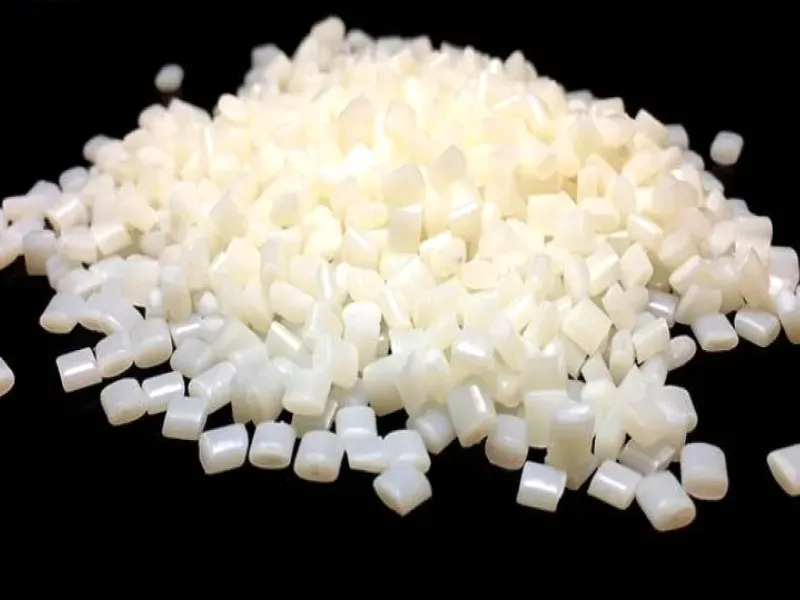
Nylon Injection Molding
IATF 16949 certified source factory mastering PA6, PA66, and PPA. We deliver warp-free, dimensionally stable nylon components utilizing in-house moisture conditioning and bimetallic presses.
Learn More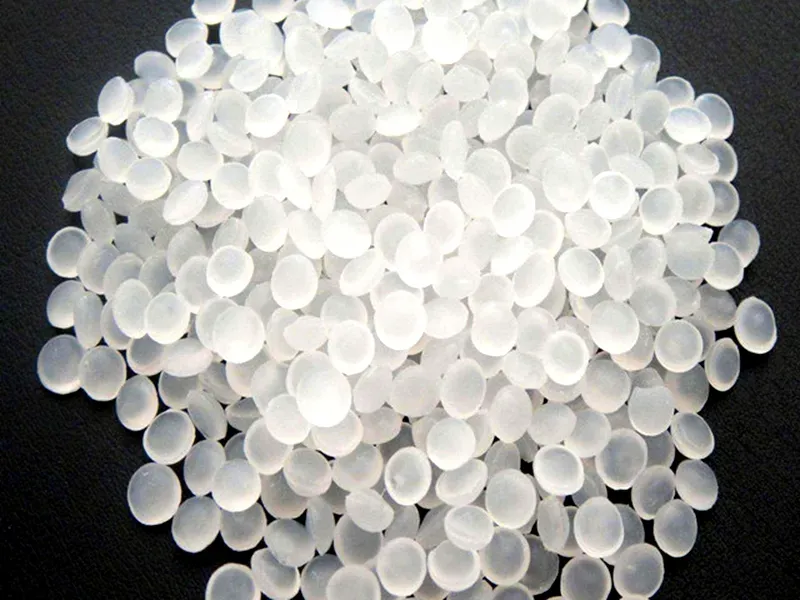
PP Injection Molding
IATF 16949 certified PP injection molding controlling aggressive shrinkage. From durable living hinges to high-volume 800T automotive components.
Learn More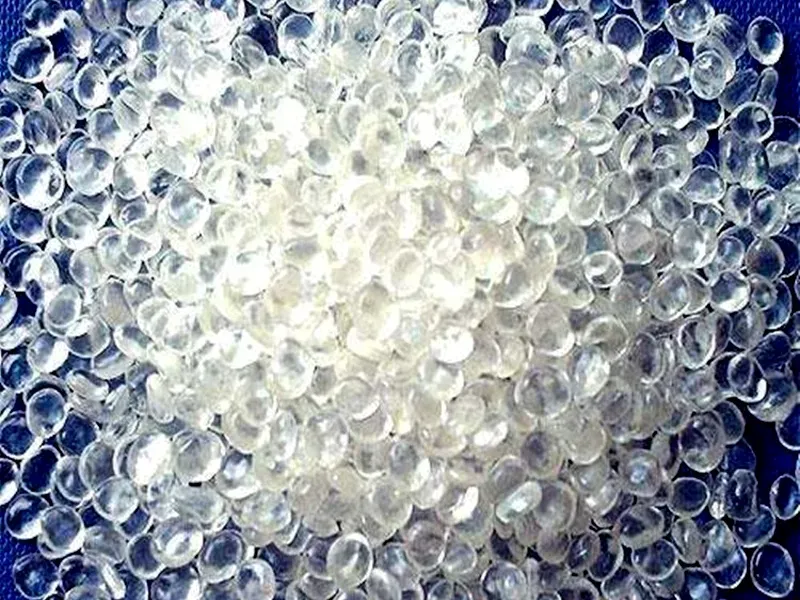
TPU Injection Molding
Master of TPU injection and overmolding. Utilizing 30+ specialized machines to deliver high-precision, defect-free elastomer components.
Learn MoreRequest DFM EvaluationExplore More Molding ServicesTECHNICAL REFERENCEFrequently Asked Questions
Answers to common questions regarding precision, tooling, materials, and our integrated molding capabilities.PEEK resin is highly expensive. We utilize hot runner systems and a scientifically validated regrind protocol (under 20%) that significantly reduces your bill of materials by up to 30% without compromising tensile strength. As a direct source factory, we also eliminate middleman markups to ensure the lowest Total Cost of Ownership.
Standard water heaters cannot process PEEK properly. We use high-temperature oil thermolators to maintain molds at 300°C with precision. Combined with a mandatory post-mold annealing cycle, this relieves internal residual stresses and guarantees optimal crystallinity and long-term dimensional stability for extreme environments.
PEEK’s extreme processing temperatures easily carbonize residual commodity plastics. To prevent this, we utilize dedicated production cells equipped with tungsten carbide-lined bimetallic screws and barrels. This specialized hardware eliminates metallic contamination and black specks, ensuring your components meet strict ISO 13485 and USP Class VI requirements.
Yes, our hybrid manufacturing cell handles both precision metal stamping and PEEK insert molding in-house. We use induction pre-heating to raise metal inserts to a specific temperature before molding, preventing thermal shock and stress cracking. This single-source approach guarantees a final assembly tolerance of ±0.02mm.
When replacing machined metals, standard calipers are insufficient. Our in-house ISO 13485 compliant metrology lab utilizes Zeiss Coordinate Measuring Machines (CMM) and Keyence vision systems to perform rigorous GD&T validation. We also use 5-axis CNC machining for secondary finishing to achieve ±0.005mm tolerances on critical sealing faces.
Our engineering team analyzes your application’s thermal loads, chemical exposure, and mechanical requirements to prescribe the exact resin. Unfilled PEEK is ideal for ductility and medical radiolucency, glass-filled offers high stiffness and electrical isolation, while carbon-filled provides maximum strength-to-weight ratios for aerospace metal replacement.
Yes, PEEK’s chemical resistance makes it notoriously difficult to bond. We utilize atmospheric plasma activation to increase surface energy for reliable printing or potting. For hermetic seals, particularly in medical fluidics, we employ servo-driven ultrasonic welding to create secure, adhesive-free joints without compromising biocompatibility.
Simply send us your 3D CAD files or component drawings under our strict NNN agreement. Our engineers will perform a complimentary Design for Manufacturability (DFM) analysis within 24 hours. We use Moldflow simulation to analyze fiber orientation and optimize gate locations, ensuring your project is optimized before any tooling begins.

Still have questions?
Our engineering team loves solving complex problems. Chat with us or send your drawing for a review.
Request DFM EvaluationReady to Manufacture With One Accountable Factory?
From in-house tooling to high-volume production — stamping, molding, plating and assembly under one IATF 16949 roof. Send your spec and volume, get a quote within 24 hours.