
Precision PETG Injection Molding: Optimized for High-Impact Clarity & Chemical Resistance
Processing Polyethylene Terephthalate Glycol (PETG) demands exceptional thermal and rheological control to manage its high melt viscosity and prevent moisture-induced degradation, which triggers cosmetic haze and premature structural failure. We systematically master these copolyester processing vu…
Processing Polyethylene Terephthalate Glycol (PETG) demands exceptional thermal and rheological control to manage its high melt viscosity and prevent moisture-induced degradation, which triggers cosmetic haze and premature structural failure. We systematically master these copolyester processing vulnerabilities by utilizing scientific -40°C dew point desiccant drying and low-shear screw geometries, achieving hydrolysis and stress cracking elimination while maintaining pristine material purity during plasticization. By optimizing multi-stage velocity profiles and precise cavity thermal management to uniformize volumetric cooling without inducing molded-in stress, our IATF 16949 compliant manufacturing infrastructure guarantees flawless zero-haze optical clarity and high impact resistance for critical components in automotive and demanding industrial applications.
Zero-Haze Quality: SPI A1/A2 Mirror Polishing & ISO Class 8 Cleanroom.Material Mastery: Certified for Eastman Eastar™, Tritan™, and PETG.End-to-End OEM: DFM, Tooling, Assembly & Blister Packaging.Low-Shear Injection: Eliminates yellow haze and specks.Request DFM Evaluation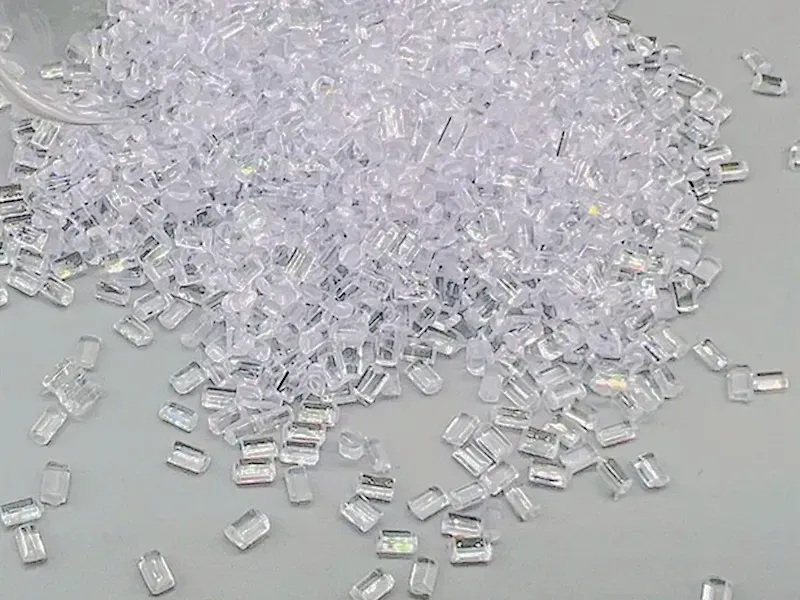
High-Risk Warning: Why Your Custom PETG Project Might Fail in Mass Production
Transitioning from prototype to mass production is the most dangerous phase for transparent copolyesters. Without precise thermal and moisture control, PETG’s sensitivity can turn a crystal-clear design into a hazy, brittle manufacturing nightmare. Are you prepared to face the most common visual and structural production killers?
The "Invisible" Brittleness
As an extremely hygroscopic material, PETG undergoes molecular scission (hydrolysis) inside the barrel if drying is improper, which destroys its internal impact strength without showing any visible cues during production.
Consequence: Flawless-looking parts that shatter like glass under minimal stress in the field.
The "Haze" & Yellowing Trap
PETG is highly sensitive to thermal fluctuations, where even a 5°C spike or an aggressive high-shear screw design can instantly trigger polymer degradation and thermal instability.
Consequence: Cloudy haze or black specks that ruin aesthetic quality and brand value.
Stress Cracking & Mold Sticking
Due to the material’s inherent “stickiness,” a lack of specialized mold release strategies creates massive internal hoop stress within the part during the ejection cycle.
Consequence: White stress marks and spontaneous cracking, leading to leaks and safety recalls.
Don't let manufacturing risks derail your project. You don't just need a supplier who can run a machine; you need an engineering partner who masters the complex science of precision PETG Injection Molding.
Why Choose UsWhy Choose Us as Your Strategic PETG Manufacturing Partner?
Beyond "Just Injection Molding"—We deliver a closed-loop engineering ecosystem designed specifically to conquer the unique visual and mechanical challenges of high-performance transparent polymers.
Scientific Material Handling
PETG requires moisture content strictly below 0.02%. Our closed-loop desiccant drying system (-40°C Dew Point) ensures resin is transported without exposure to ambient humidity, eliminating molecular hydrolysis.
Optical-Grade Tooling
We use hardened S136 stainless steel molds polished to a mirror finish. Inside the press, specialized low-compression screws and Scientific Molding minimize shear heat, preventing yellowing and black specks.
Precision Insert Molding
Combining metal and PETG creates stress cracking risks. We solve this by pre-heating metal inserts to narrow the thermal delta before injection, ensuring a fused, watertight bond without hoop stress.
ISO Class 8 Cleanroom
Static electricity makes PETG a magnet for dust. Our positive-pressure cleanroom and fully electric machines eliminate particulates. Automated robotic removal ensures parts are never touched by human hands.
The PETG Material Lab: From Resin Selection to Optical Perfection
PETG is unique—it offers the glass-like transparency of Acrylic combined with the extreme toughness of Polycarbonate.
Choosing the wrong grade or processing it poorly leads to immediate aesthetic failure or molecular breakdown. We don’t just mold parts; we preserve the polymer’s optical and structural integrity.
| FEATURE | PETG (COPOLYESTER) | POLYCARBONATE (PC) | ACRYLIC (PMMA) |
|---|---|---|---|
| Optical Clarity | Excellent >90% Transmittance | Excellent | Excellent |
| Impact Strength | High (Unbreakable) | High | Low (Shatters) |
| BPA-Free | Yes (Safe) | No (Contains BPA) | Yes (Safe) |
| Chemical Resistance | Excellent Lipids, Alcohol, Oils | Poor (Stress Cracks) | Good |
| Gamma Sterilization | Stable (No Color Shift) | Yellows over time | Discolors |
| Machinability | Excellent (Easy to CNC & Thermoform) | Good | Fair (Prone to Chipping) |
| Typical Applications | Medical Devices, Machine Guards | Safety Shields, Bulletproof Glass | Display Cases, Lenses |
| Relative Cost | $$ (Moderate) | $$$ (High) | $ (Low) |
Applied Manufacturing & Technical Validation
Review our documented production records across injection molding and metal component integration. Examine how we resolve complex geometric challenges and strictly control critical dimensions to ensure structural and functional reliability in demanding environments.
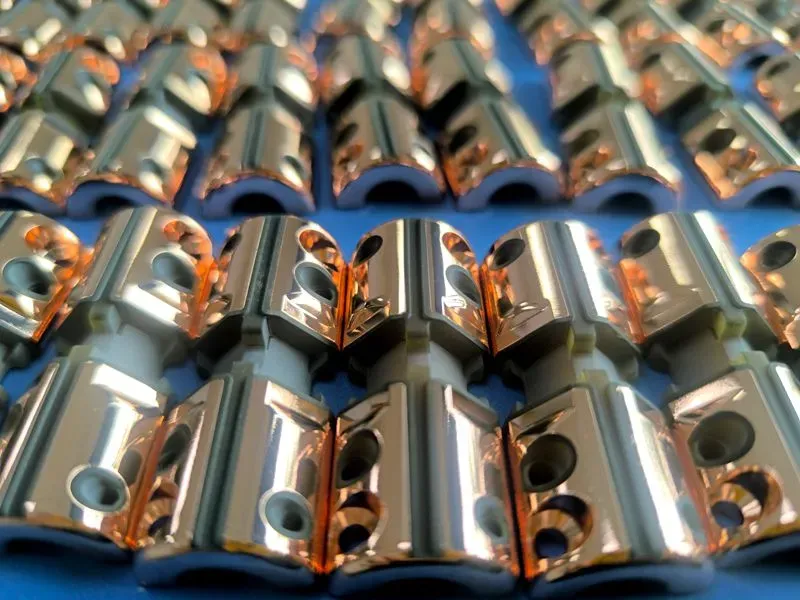
Overcoming RF Leakage: Engineering Zero-Gap Balun Assemblies for MRI Diagnostics
Client Type Leading Tier-1 Medical Imaging OEMProduction Volume 15,000+ units/yearMaterial Used Unfilled Polyetherimide (PEI)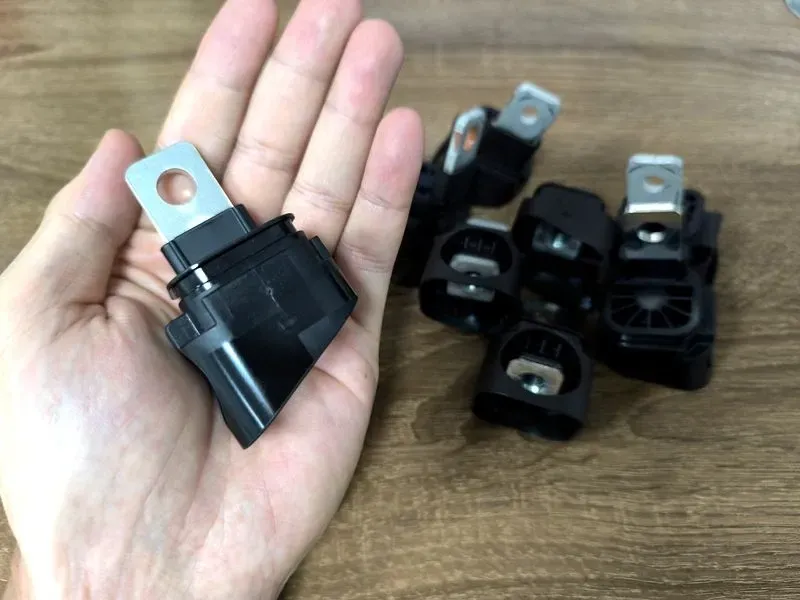
Overcoming CTE Mismatch: Engineering 800V Busbar Terminals for Commercial EVs
Client Type Leading Heavy-Duty Commercial EV Manufacturer - Tier 1Production Volume 250,000+ units/yearMaterial Used High-Purity C11000 Copper & PA6 GF30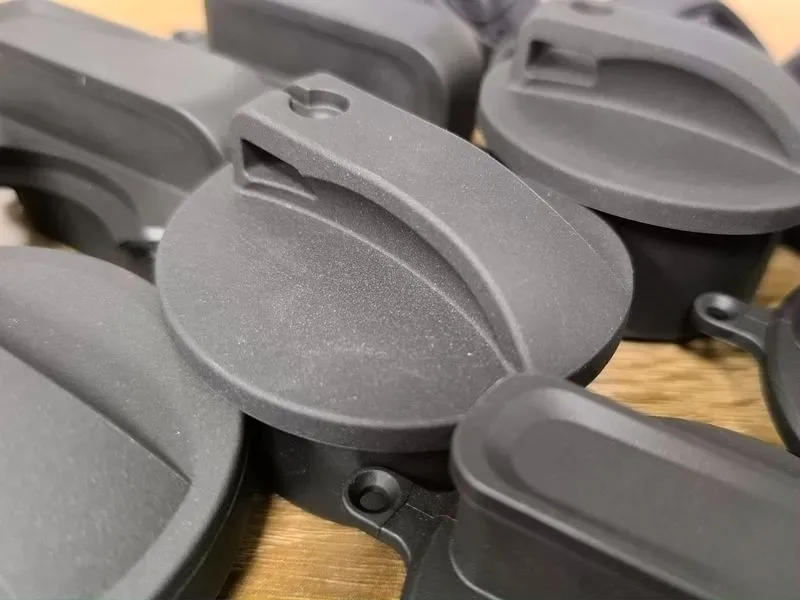
Solving Material Fatigue: Engineering a Monolithic FR-TPU Dust Cover for NEV Platforms
Client Type Leading Chinese NEV Manufacturer (Tier 1)Production Volume 500,000+ units/yearMaterial Used Custom Polyether-based FR-TPU (UL94 V-0)Request DFM EvaluationSee More Case StudiesRESIN CAPABILITIESDeploy Advanced Multi-Material Injection Molding Capabilities
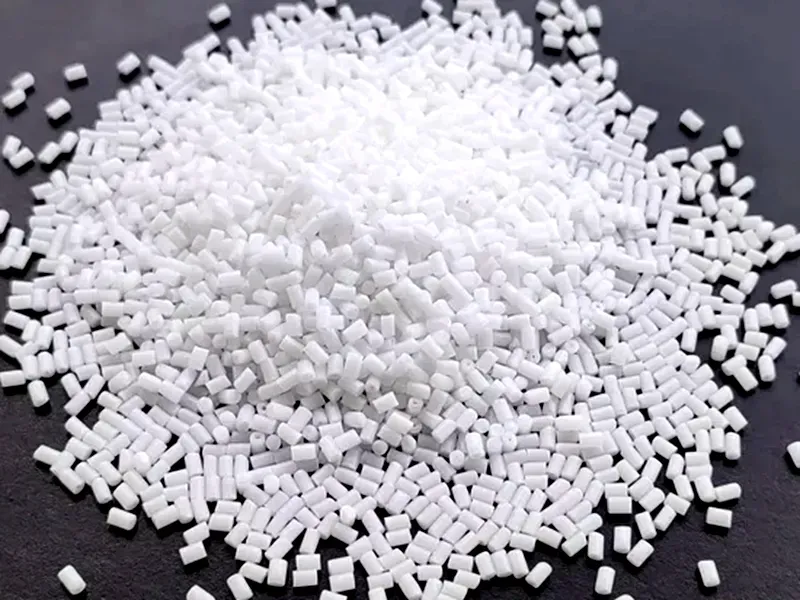
Acetal (POM) Injection Molding
Custom Acetal (POM) injection molding from an IATF 16949 certified factory. We eliminate vacuum voids and control shrinkage for high-precision Delrin® parts.
Learn More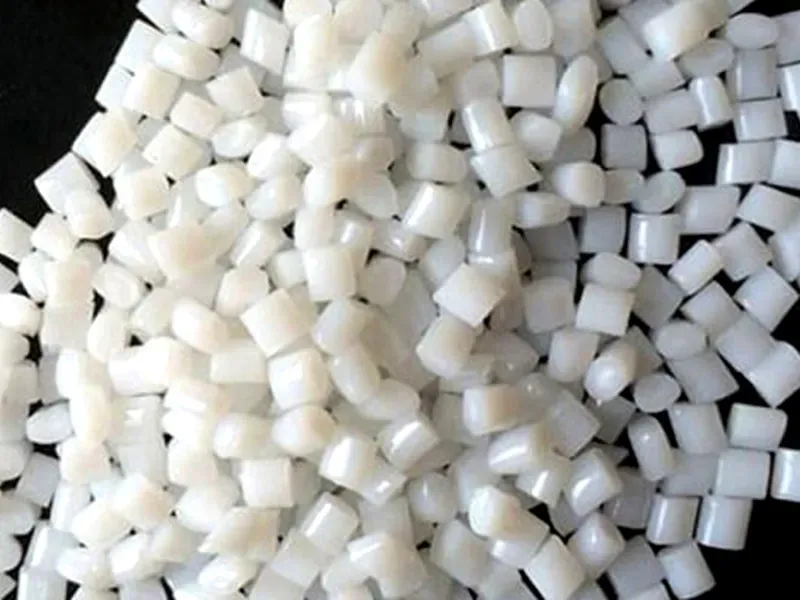
PBT Injection Molding
From complex geometries to high-volume production, we specialize in expert PBT processing. Optimized for dimensional stability and chemical resistance—delivered with speed and precision.
Learn More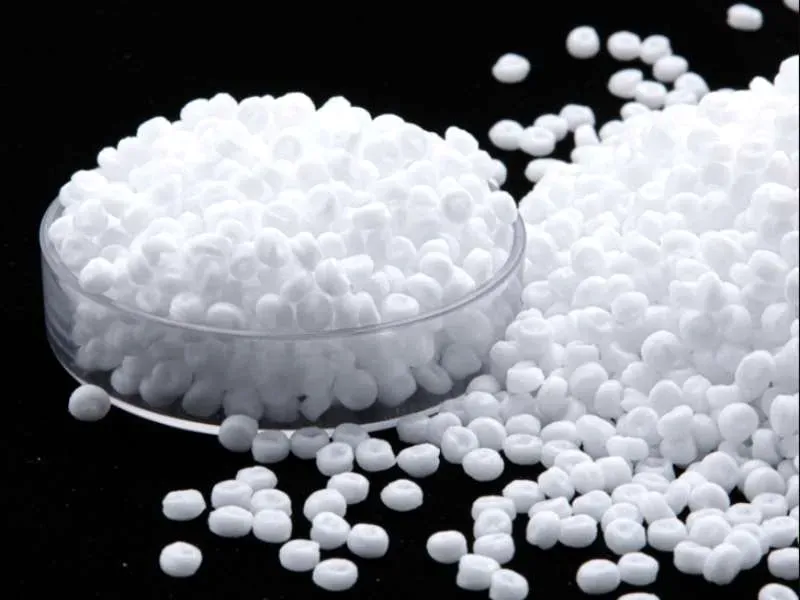
Medical Silicone Injection Molding
High-precision medical silicone molding featuring flash-free technology, cleanroom production, and rapid prototyping for compliant MedTech components.
Learn More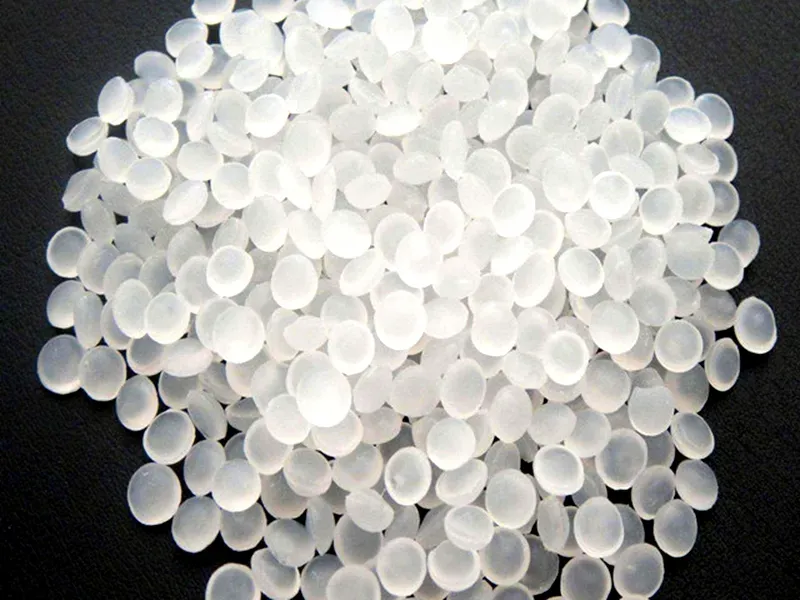
PP Injection Molding
IATF 16949 certified PP injection molding controlling aggressive shrinkage. From durable living hinges to high-volume 800T automotive components.
Learn MoreRequest DFM EvaluationExplore More Molding ServicesTECHNICAL REFERENCEFrequently Asked Questions
Answers to common questions regarding precision, tooling, materials, and our integrated molding capabilities.Most failures stem from hydrolysis caused by improper material drying. PETG is extremely hygroscopic; if moisture exceeds 0.02%, it undergoes molecular scission, losing its impact strength and shattering under stress. We utilize centralized, closed-loop desiccant drying systems to maintain a strict -40°C dew point, aggressively lowering moisture to <0.02% before the resin enters the barrel, ensuring uncompromised structural integrity.
Yellowing, haze, and black specks are typically caused by shear heat spikes during injection. We eliminate this risk by using specialized low-compression ratio (L/D 20:1) screws that gently melt the resin. Combined with our SPI A1 mirror-polished S136 stainless steel molds, Decoupled Molding techniques, and an ISO Class 8 Cleanroom environment, we consistently deliver flawless, zero-haze optical components.
Yes. We process medical-grade and food-safe PETG (such as Eastman Tritan™) that is 100% BPA-free and FDA-compliant. Manufactured under our strict ISO 13485 and IATF 16949 certified quality systems, our parts are the safest choice for infant care products, surgical instrument trays, and sterile packaging where Polycarbonate is restricted.
Absolutely. Combining metal and PETG often causes “hoop stress” fractures due to Coefficient of Thermal Expansion (CTE) mismatch. We solve this by utilizing a robotic cell with automated induction pre-heating. By warming the metal inserts to within 10°C of the mold temperature (around 60°C), we eliminate thermal shock and ensure a fused, watertight bond with zero internal stress.
Yes, we provide in-house, optical-grade secondary finishes to enhance material performance. To combat PETG’s natural softness, we apply UV-cured hard coatings that significantly increase surface hardness to 2H-3H. We also offer permanent hydrophilic anti-fog flow coatings for medical face shields, and Corona printing treatments for guaranteed ink adhesion.
We lower your Total Cost of Ownership (TCO) by engineering waste out of the process. Instead of using standard cold runners that scrap 20-40% of the material, we implement Valve Gate Hot Runner Systems to achieve zero material waste. Additionally, we use DMLS 3D-printed conformal cooling inserts to reduce cycle times by 20-40%.
Yes. Our specific PETG grades are highly stable and fully compatible with Gamma Radiation and Ethylene Oxide (EtO) sterilization methods. Unlike standard Polycarbonate or Acrylic, our PETG components will not become brittle, yellow, or suffer color shifts even after repeated sterilization cycles.
We operate a 24/7 “lights-out” production facility equipped with All-Electric Sumitomo and Fanuc presses ranging from 50T to 650T, delivering 0.01mm positional accuracy. Our stringent quality protocol includes moldflow simulation, polarized light stress birefringence testing, and 3-axis “touchless” robotic packaging to ensure a >99.5% consistent yield.

Still have questions?
Our engineering team loves solving complex problems. Chat with us or send your drawing for a review.
Request DFM EvaluationReady to Manufacture With One Accountable Factory?
From in-house tooling to high-volume production — stamping, molding, plating and assembly under one IATF 16949 roof. Send your spec and volume, get a quote within 24 hours.