
Advanced PBT Injection Molding: Optimized for High-Property Electrical Insulation & Dimensional Stability
Processing Polybutylene Terephthalate (PBT) requires strict thermodynamic control to counteract its rapid crystallization rates and highly anisotropic shrinkage, which frequently trigger severe warpage and structural distortion in thin-walled connectors. We systematically master these rheological c…
Processing Polybutylene Terephthalate (PBT) requires strict thermodynamic control to counteract its rapid crystallization rates and highly anisotropic shrinkage, which frequently trigger severe warpage and structural distortion in thin-walled connectors. We systematically master these rheological challenges by utilizing high-precision mold temperature regulation and advanced multi-stage packing profiles, achieving anisotropic warpage elimination while preventing polymer hydrolysis through rigorous -40°C dew point desiccant drying before melt processing. By combining predictive mold flow analysis with scientific decoupled injection parameters to ensure balanced cavity filling, our IATF 16949 compliant production system delivers exceptional dimensional stability and zero-flash precision for structural components in automotive and demanding industrial applications.
Precision Insert Molding: Perfect terminal-to-plastic interference fit.Warpage Mitigation: Optimized gating for Glass-Filled PBT.Material Authority: Experts in PBT-GF, V0, and Hydrolysis-Resistant grades.Zero Flash: High-speed electric injection.Request DFM EvaluationSee Material Database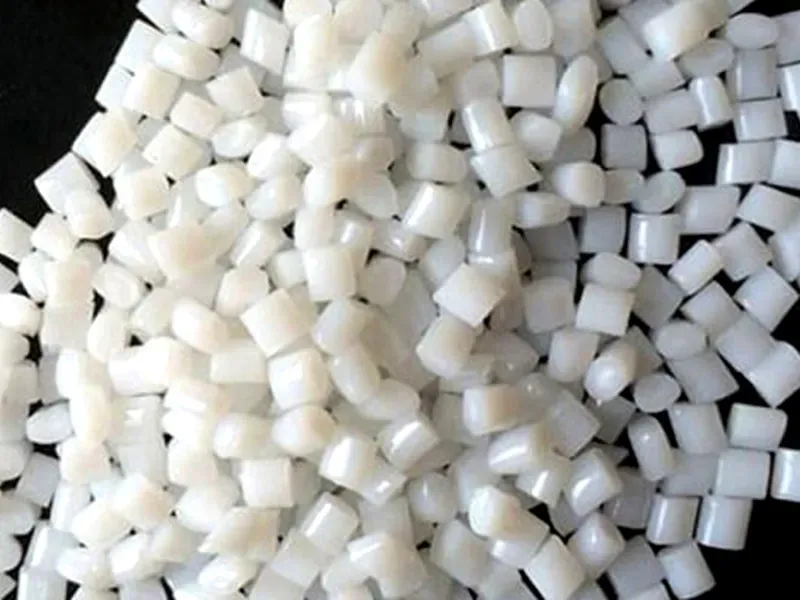
The Hidden Risks in PBT Injection Molding: Why Standard Processing Fails
PBT is the gold standard for electrical engineering, but it is notoriously unforgiving. Without specialized process control, PBT's distinct crystalline structure leads to catastrophic failures that standard molders cannot predict.
The Dimensional Nightmare
Standard molding fails to compensate for PBT’s non-linear shrinkage, causing unpredictable anisotropic warpage.
Consequence: Parts bow, twist, or shrink completely out of tolerance, making final assembly impossible.
The Invisible Killer
Inadequate drying fails to eliminate moisture, which chemically severs polymer chains (hydrolysis) during the melting process.
Consequence: Visually perfect components become dangerously brittle, shattering under stress or humidity months after production.
Flash & Electrical Short Circuits
Because PBT has an exceptionally low, water-like viscosity, tooling without precision EDM and robust shut-offs allows plastic to escape into microscopic gaps.
Consequence: Thin fins of excess plastic form on mating surfaces and pins, directly causing critical electrical interference.
The "Cheap Look" (Floating Fiber)
Poor mold temperature control allows internal glass fibers to prematurely freeze on the component’s exterior before the resin can fully encapsulate them.
Consequence: Parts develop rough, matte patches and visible white streaks, severely degrading the aesthetic finish.
Don't let manufacturing risks derail your project. You don't just need a supplier who can run a machine; you need an engineering partner who masters the complex science of precision PBT Injection Molding.
Why Choose UsEngineering Your PBT Success: Beyond Standard Injection Molding
To tame PBT’s anisotropic shrinkage and sensitivity, we deploy a "Scientific Molding" protocol. We don’t just mold parts; we engineer the entire manufacturing environment to guarantee structural integrity and dimensional stability.
Precision Insert Molding
We master both In-House Metal Stamping and PBT Molding. By matching stamping die tolerances with mold cavities, we achieve a perfect Interference Fit, eliminating flash.
Scientific Stabilization
Equipped with Desiccant Dehumidifying Dryers to guarantee a dew point of -40°C. We strictly regulate crystallinity via Oil-Based Temp Controllers for maximum mechanical strength.
High-Wear Tooling
We utilize hardened tool steels (Assab S136, H13) to combat abrasive glass fibers. Our tooling maintains tight shut-offs and flash-free performance for the entire project lifecycle.
Direct Engineer Access
Bypass sales clerks. Work directly with senior tooling engineers for immediate DFM, warpage risk analysis, and gate location optimization before steel is cut.
PBT Material Science & Processing Mastery: From Resin Selection to Structural Integrity
Resin selection is only half the battle. We execute a scientific manufacturing protocol that preserves the molecular weight and mechanical properties of semi-crystalline thermoplastics.
| Application Matrix | Category A: Structural Reinforcement | Category B: Electronic Safety | Category C: Environmental Endurance |
|---|---|---|---|
| Material Modification | 30%-50% Glass Filled (PBT-GF30 / PBT-GF50) | Flame Retardant (FR) UL94 V-0 Rated | Hydrolysis Resistant Alloys |
| Target Resin Grades | Sabic Valox 420, BASF Ultradur B4300 | DuPont Crastin, Sabic Valox 357 | PBT/ASA or PBT/PET Alloy Blends |
| Primary Applications | Automotive brackets, rigid sensor housings, structural chassis components, heavy-duty industrial mounts. | High-voltage EV connectors, fuse boxes, PCB enclosures, relay housings, smart grid terminals. | Outdoor environmental sensors, radomes, humid environment electrical housings, marine-grade components. |
| Key Processing Challenges | Anisotropic warpage, severe abrasive tool wear from glass fibers, and floating fiber cosmetic defects. | Flame retardant bloom (plate-out) on mold surfaces, outgassing, and degradation at high melt temperatures. | Molecular chain cleavage during melting if moisture exceeds 0.02%, leading to catastrophic embrittlement. |
| Our Manufacturing Value | Counteracting anisotropic warpage via Moldflow-optimized gating and conformal cooling to control glass fiber orientation. | Strict melt temp profile control and advanced micro-venting to prevent FR bloom and ensure zero electrical shorting. | Ultra-low moisture processing via desiccant dehumidifiers (dew point -40°C) to prevent long-term hydrolytic failure. |
PBT Knowledge Hub: The Engineer’s Selection Guide
Navigating trade-offs between engineering thermoplastics is complex. We provide the technical data you need to decide if PBT is the right choice, or if an alternative is better suited.
| Design Parameter | Engineering Strategy & Considerations | Target Specification |
|---|---|---|
| Wall Thickness Strategy | Keep walls uniform to prevent voiding, warpage, and internal residual stress during the cooling phase. | 1.5mm - 3.0mm |
| Rib Design (Sink Marks) | Prevent sink marks on the aesthetic face by strictly controlling the rib base thickness relative to the nominal wall. | Max Rib Base: 60% of Wall |
| Draft Angles | PBT has a tendency to stick to mold surfaces. Ample draft ensures easy ejection without scuffing or pin punch marks. | Min Draft: 1° - 2° |
| Corner Radii / Fillets | Eliminate sharp internal corners to reduce stress concentration, prevent premature part failure, and improve polymer melt flow. | Min Radius: 0.5mm (or 25% of Wall) |
| Shrinkage Rate Mitigation | Must account for anisotropic (differential) shrinkage, which is highly pronounced in Glass-Filled (GF) PBT grades compared to unfilled. | Unfilled: 1.5-2.0% | GF30: 0.3-0.8% |
| Gate Sizing & Placement | Prevent premature gate freeze-off to ensure adequate packing pressure transfer, minimizing flow marks and internal voids. | Min Gate Depth: 50% - 80% of Wall |
Applied Manufacturing & Technical Validation
Review our documented production records across injection molding and metal component integration. Examine how we resolve complex geometric challenges and strictly control critical dimensions to ensure structural and functional reliability in demanding environments.
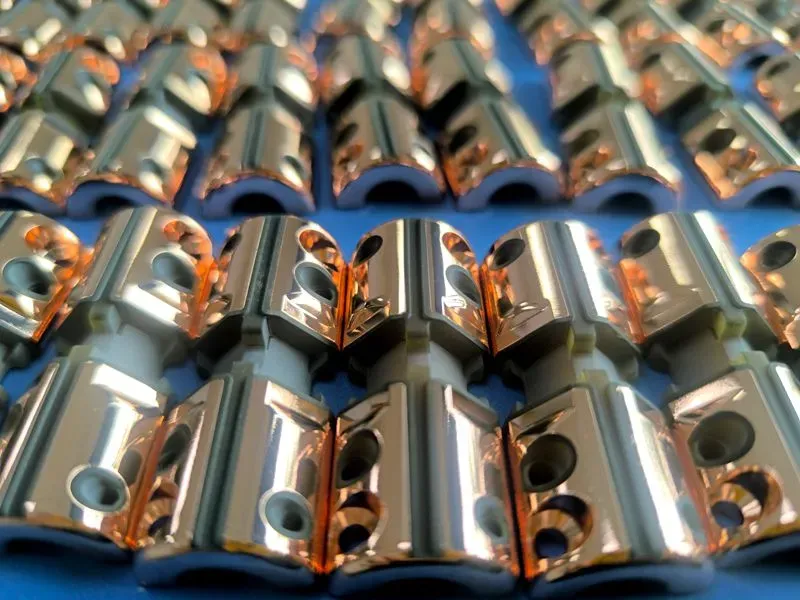
Overcoming RF Leakage: Engineering Zero-Gap Balun Assemblies for MRI Diagnostics
Client Type Leading Tier-1 Medical Imaging OEMProduction Volume 15,000+ units/yearMaterial Used Unfilled Polyetherimide (PEI)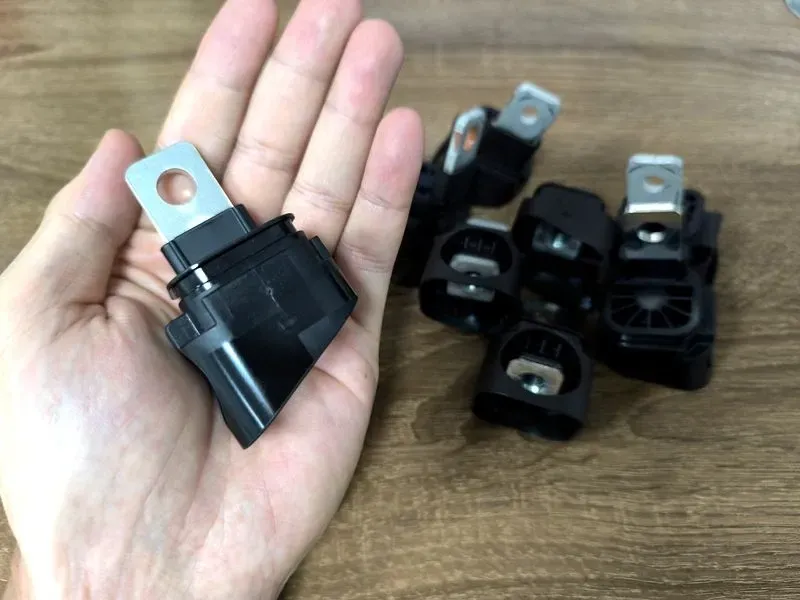
Overcoming CTE Mismatch: Engineering 800V Busbar Terminals for Commercial EVs
Client Type Leading Heavy-Duty Commercial EV Manufacturer - Tier 1Production Volume 250,000+ units/yearMaterial Used High-Purity C11000 Copper & PA6 GF30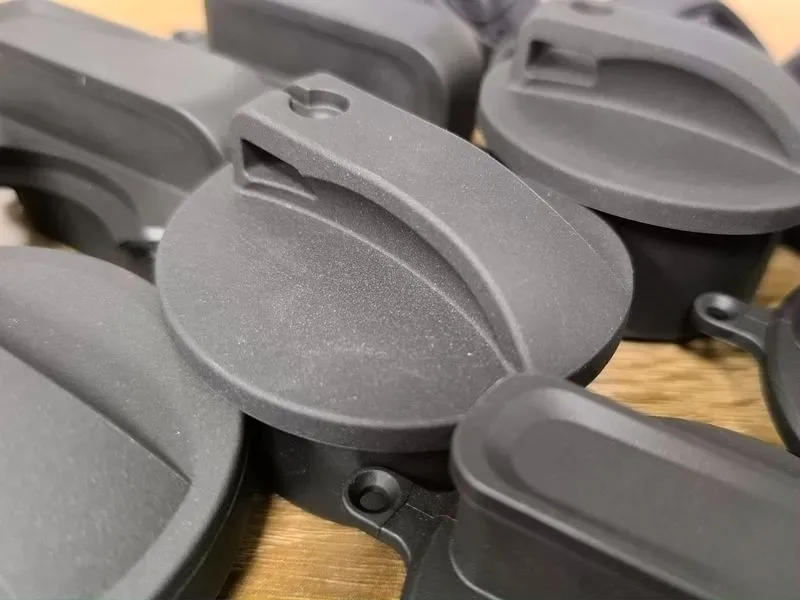
Solving Material Fatigue: Engineering a Monolithic FR-TPU Dust Cover for NEV Platforms
Client Type Leading Chinese NEV Manufacturer (Tier 1)Production Volume 500,000+ units/yearMaterial Used Custom Polyether-based FR-TPU (UL94 V-0)Request DFM EvaluationSee More Case StudiesRESIN CAPABILITIESDeploy Advanced Multi-Material Injection Molding Capabilities
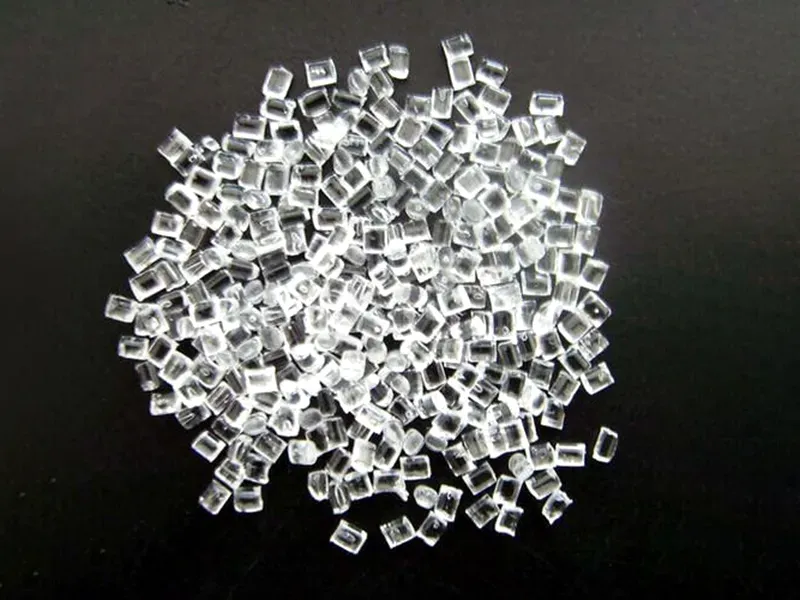
PC Injection Molding
Expert polycarbonate injection molding & in-house stamping. ISO 9001 & IATF 16949 certified. Turnkey PC solutions for optical, medical, and automotive parts.
Learn More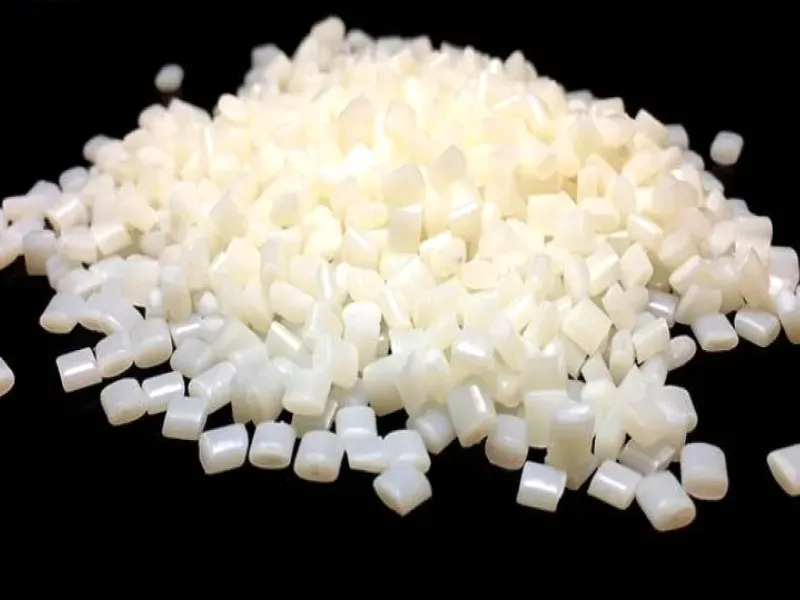
Nylon Injection Molding
IATF 16949 certified source factory mastering PA6, PA66, and PPA. We deliver warp-free, dimensionally stable nylon components utilizing in-house moisture conditioning and bimetallic presses.
Learn More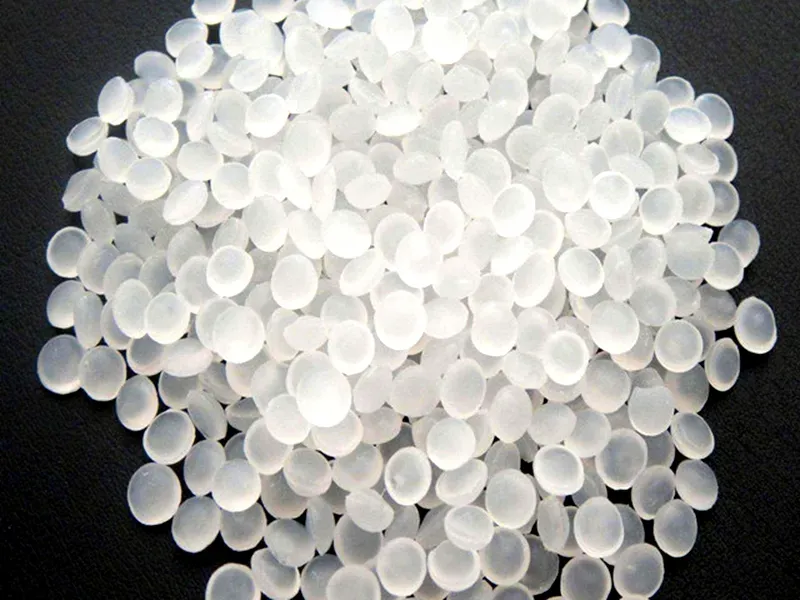
PP Injection Molding
IATF 16949 certified PP injection molding controlling aggressive shrinkage. From durable living hinges to high-volume 800T automotive components.
Learn More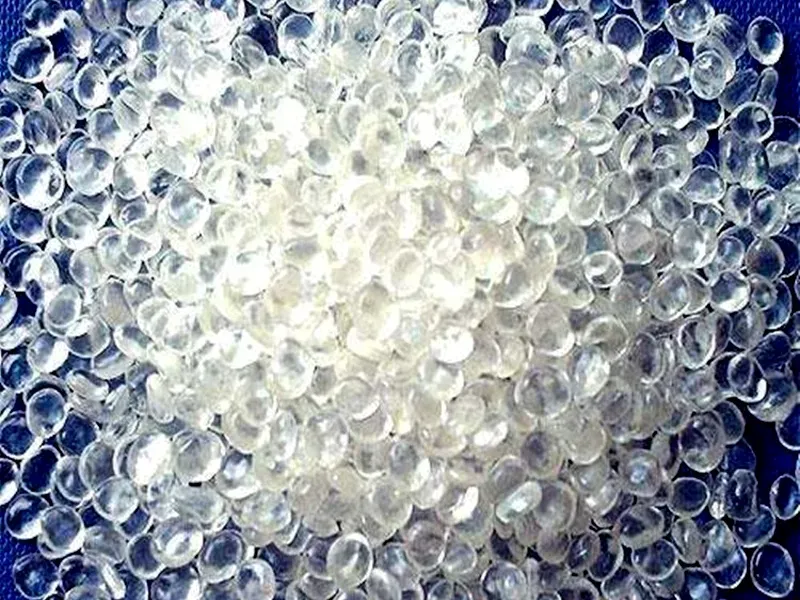
TPU Injection Molding
Master of TPU injection and overmolding. Utilizing 30+ specialized machines to deliver high-precision, defect-free elastomer components.
Learn MoreRequest DFM EvaluationExplore More Molding ServicesTECHNICAL REFERENCEFrequently Asked Questions
Answers to common questions regarding precision, tooling, materials, and our integrated molding capabilities.We run Moldflow analysis specifically calibrated for PBT-GF30 before cutting steel. By optimizing gate locations and using conformal cooling channels, we counteract non-linear shrinkage and neutralize warpage risks early, ensuring absolute dimensional stability for your components.
We strictly prepare all virgin resin using desiccant dehumidifiers to achieve a -40°C dew point. This brings moisture levels below 0.02% before melting, completely eradicating the risk of polymer chain degradation and long-term embrittlement in humid environments.
Yes. We integrate in-house precision metal stamping with dedicated vertical rotary injection molding. By matching stamping die tolerances with our micron-level EDM tooling, we create a perfect interference fit that eliminates flash and prevents electrical short circuits.
We attack structural inefficiencies rather than using inferior regrind material. Our tooling engineers utilize hot runner systems to eliminate material waste and conformal cooling lines to reduce cycle times by up to 20%, significantly lowering your unit cost.
Our IATF 16949 compliant process includes 100% in-line electrical continuity testing and CCD vision inspection. We instantly verify for bent pins, short shots, and insulation resistance so you receive ready-to-install, flawless electromechanical assemblies directly to your line.
We strictly regulate mold temperatures between 80°C and 120°C using oil-based controllers to ensure proper crystallization. For high-gloss industrial requirements, we also deploy steam-heat technology to bury glass fibers, delivering premium finishes without expensive secondary painting.
Absolutely. We purchase directly from authorized Sabic, BASF, and DuPont distributors, providing a Certificate of Analysis (COA) for every batch. Each shipment includes a QR code linked to the specific resin lot, drying logs, and processing parameters.
Yes. We optimize specific energy director joint designs for hermetic ultrasonic sealing without adhesives. We also utilize fiber lasers to ablate the PBT surface, creating high-contrast, permanent QR codes that survive harsh conditions for the product’s lifespan.

Still have questions?
Our engineering team loves solving complex problems. Chat with us or send your drawing for a review.
Request DFM EvaluationReady to Manufacture With One Accountable Factory?
From in-house tooling to high-volume production — stamping, molding, plating and assembly under one IATF 16949 roof. Send your spec and volume, get a quote within 24 hours.